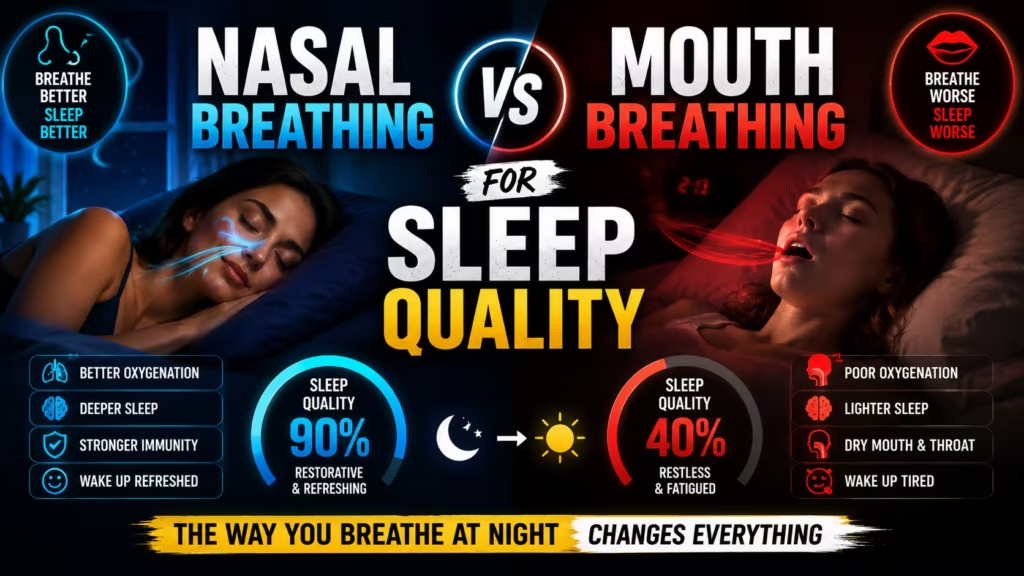

Do you wake up tired, even after eight hours of sleep? Many people don’t realize how their breathing at night affects their energy. This sleep wellness breathing guide looks at the big difference between breathing in at night.
Knowing how we breathe in is key for our health. Changing how we breathe can lead to better rest. We’ll dive into the health effects of nasal breathing vs mouth breathing sleep quality to guide you.
Making small changes to your sleep routine can make a big difference. By focusing on how you breathe, you can sleep better and wake up feeling great every day.
Key Takeaways
- Nasal intake filters and warms air before it reaches your lungs.
- Oral inhalation often leads to dryness and disrupted rest cycles.
- Proper airflow patterns support better oxygen saturation levels.
- Habitual changes can reduce snoring and improve overall recovery.
- Consistent practice helps the body maintain a steady rhythm throughout the night.
The Science of Nasal Breathing vs Mouth Breathing Sleep Quality
The way you breathe at night greatly affects how your body recovers. Many people don’t know that their breathing habits that affect sleep are key to good rest. By looking at nasal breathing vs mouth breathing sleep, we see why the nose is our main air filter.
Understanding the Mechanics of Airflow
The human nose is made to prepare air for the lungs. When you breathe in through your nose, it warms, humidifies, and filters the air. This makes the air better for your lungs.
On the other hand, mouth breathing vs nose breathing at night leads to quick, shallow breaths. The mouth doesn’t filter air like the nose does. This can cause throat irritation and less efficient gas exchange.
The Role of Nitric Oxide in Nasal Respiration
Nitric oxide is a key part of the science behind nasal breathing sleep. It’s made in the sinuses and goes to the lungs when you breathe through your nose. Nitric oxide helps widen blood vessels, improving oxygen delivery.
Not breathing through your nose means missing out on this oxygen boost. Increasing oxygen saturation is a big plus of nasal breathing. It’s important for keeping blood pressure and heart health good while you sleep.
How Breathing Patterns Influence Sleep Architecture
Your sleep quality and breathing patterns are closely linked. Deep, rhythmic nasal breathing helps you move smoothly through sleep stages, including the important REM cycle. Mouth breathing can cause sleep to be broken up.
These breaks stop you from getting the deepest sleep. By choosing nasal breathing, your nervous system stays calm. This is crucial for feeling refreshed and sharp in the morning.
Identifying the Signs of Mouth Breathing During Sleep
Understanding the signs of mouth breathing is key to feeling more energetic. Many people feel tired all the time without knowing that does mouth breathing affect sleep quality a lot. By paying attention to how you feel in the morning, you can tell if your breathing habits are affecting your rest.
Common Physical Indicators Upon Waking
When you wake up, your body often shows signs of how you breathed at night. The main sleeping with mouth open causes are nasal blockages or habits that make your jaw drop. If you see these signs, it’s time to change your bedtime routine:
- A dry or parched mouth when you wake up.
- A scratchy or sore throat that gets better after drinking water.
- Bad breath, caused by dry mouth from breathing through your mouth.
- Cracked or chapped lips that don’t heal with regular lip balm.
Recognizing Symptoms of Sleep-Disordered Breathing
There are deeper signs that your body is having trouble breathing at night. When your airway is blocked, your brain might wake you up a little to help you breathe. These sleep breathing disorders explained by experts can make you feel tired and foggy in the morning.
“The quality of your sleep is fundamentally tied to the efficiency of your airway. When you breathe through your nose, you optimize oxygen intake and support the body’s natural restorative processes.”
— Sleep Health Research Institute
Look out for morning headaches, brain fog, or feeling tired even after sleeping a lot. These signs mean your body is working too hard to get enough oxygen at night.
The Connection Between Snoring and Mouth Breathing
There’s a clear link between mouth breathing and snoring. When your mouth is open, your tongue can block your airway, causing snoring. This makes it harder to sleep well.
Knowing this connection is important for better sleep. By stopping mouth breathing, you can often cut down on snoring and sleep more quietly.
Health Consequences of Chronic Mouth Breathing
It’s important to know how chronic mouth breathing affects your sleep. When you breathe through your mouth, you don’t get the rest your body needs. This can cause inflammation and make you feel tired all the time.
Impact on Oxygen Saturation Levels
Getting enough oxygen while you sleep is key for healing and brain function. Mouth breathing doesn’t warm or humidify the air properly. This can lower your blood oxygen levels, making your heart work harder.
Low oxygen levels can make you feel tired and unfocused. This can lead to chronic fatigue and lower brain function. Using your nose to breathe is essential for getting the oxygen your body needs.
Mouth Breathing and Sleep Apnea Risk Factors
Mouth breathing can increase your risk of sleep apnea. It can cause your tongue to block your airway, leading to breathing problems. This can make it hard to breathe during sleep.
Ignoring these breathing issues can lead to serious health problems. Identifying these patterns early is key to preventing sleep apnea. Stabilizing your breathing can help reduce strain on your respiratory system.
Long-term Effects on Oral Health and Facial Structure
Mouth breathing can harm your teeth and face if not stopped. It can dry out your mouth, leading to cavities and gum disease. It can also change how your tongue and jaw rest.
In kids and teens, mouth breathing can affect how their face grows. Adults can also experience changes in their facial muscles. It’s important to improve oxygen flow during sleep to protect your teeth and face.
Physiological Benefits of Nasal Breathing for Deep Sleep

Using your nose to breathe at night has big benefits. It helps control your body’s automatic functions. This change is key to better sleep.
Enhancing Oxygen Intake and Blood Circulation
When you breathe through your nose, your body gets more oxygen. This method also warms and moistens the air. It makes sure your blood stays oxygen-rich all night.
Good blood flow is vital for fixing cells and keeping your metabolism healthy. Proper airflow reduces stress on your heart. It keeps your oxygen levels steady, helping your body repair itself while you sleep.
Nasal Breathing and REM Sleep Regulation
The link between nasal breathing and rem sleep is key for your brain. REM sleep helps process emotions and memories. Poor breathing can disrupt this.
Regular nighttime nasal breathing benefits help you stay in each sleep stage. This leads to better emotional control and clear thinking when you wake up. It keeps your sleep structure strong.
Improving Heart Rate Variability and Recovery
Heart rate variability (HRV) shows how well you handle stress and recover. Deep sleep breathing strategies can raise your HRV scores. This means your body is in a restful state.
By focusing on nasal breathing and hrv recovery, you build physical strength. A balanced nervous system means more energy for repair and hormone balance. Consistent nasal respiration is essential for top-notch recovery.
Step-by-Step Guide to Transitioning to Nasal Breathing
Improving your sleep quality starts with a simple plan to breathe through your nose. This change needs a structured approach for lasting results. When you improve sleep with nasal breathing, your body works better at night.
Assessing Your Current Nasal Patency
First, check if you can breathe through your nose. Try inhaling slowly through your nostrils while sitting up. If it’s hard or one side is blocked, you might have a problem.
Seeing a doctor is a good idea if you think there’s a physical issue. Knowing your starting point helps you set goals. Consistency is key to overcome old habits.
Daily Exercises to Strengthen Nasal Passages
Use breathing techniques for better sleep every day. Try light, rhythmic breathing while walking or doing light tasks. This strengthens your airway.
Try the “nasal release” technique too. Gently massage the sides of your nose to improve blood flow. These exercises help keep your nose open at night.
Establishing a Pre-Sleep Breathing Routine
Start a calming pre-sleep ritual. Practice slow, rhythmic breathing for five minutes on your back. This tells your body it’s time to relax.
The table below shows how breathing affects your sleep and recovery:
| Breathing Habit | Impact on Sleep | Recovery Level |
|---|---|---|
| Mouth Breathing | Fragmented | Low |
| Nasal Breathing | Deep/Restorative | High |
| Mixed Pattern | Inconsistent | Moderate |
By following these steps, you can train your body to breathe through your nose. Consistent practice will make this the new default. Be patient as you build these healthy habits.
Effective Techniques to Stop Mouth Breathing While Sleeping

To stop mouth breathing at night, you need to change your sleep habits. Making small changes to your environment and body can help. These overnight breathing improvement techniques help you wake up feeling better.
Adjusting Your Sleeping Position for Optimal Airflow
Your sleep position affects your airway. Sleeping on your back can cause your tongue to fall back, leading to mouth breathing. Switching to side sleeping is a great way to reduce snoring.
A supportive pillow is key for side sleeping. It keeps your neck straight and your jaw closed. This makes breathing through your nose easier and helps your body breathe naturally.
Using Humidifiers to Clear Nasal Obstructions
Dry air can make your nose stuffy. When your nose is blocked, you breathe through your mouth. A humidifier keeps the air moist, keeping your nose clear.
Proper humidity stops your nose from getting inflamed. Clean your humidifier to avoid mold. This simple step helps keep your nose open.
Managing Allergies and Sinus Congestion Naturally
Allergens like dust and pollen can cause congestion at night. Keeping your bedroom clean is important. Use air purifiers with HEPA filters to remove allergens.
Try saline nasal rinses before bed to clear out mucus. Keeping your sinuses open means you don’t need to breathe through your mouth. These overnight breathing improvement techniques work best with a regular bedtime routine.
| Technique | Primary Benefit | Ease of Implementation |
|---|---|---|
| Side Sleeping | Prevents airway collapse | High |
| Humidifier Use | Reduces nasal dryness | Medium |
| Saline Rinses | Clears sinus congestion | Medium |
| HEPA Air Purifiers | Removes airborne allergens | High |
Utilizing Mouth Taping and Other Biohacking Tools
Many people are using sleep biohacking breathing methods to get better sleep. They focus on nasal breathing biohacking to keep air flowing right. This helps avoid oral breathing, which can disrupt sleep and cause dry mouth.
How to Safely Implement Mouth Taping
Mouth taping and nasal breathing helps keep lips sealed at night. Start by placing a small piece of tape across your lips. This lets air out if needed, keeping your jaw closed.
Make sure you can remove the tape easily if it’s uncomfortable. Practice with the tape on while awake to get used to it. This gradual adjustment helps your body accept the change without stress.
Choosing the Right Adhesive Materials
Choosing the right tape is key for comfort and skin health. Look for hypoallergenic, medical-grade tape made for skin. Don’t use regular household tapes, as they can irritate or leave residue.
Many prefer breathable, porous materials for comfort. If you have sensitive skin, test a small piece on your forearm first. This ensures you won’t have an allergic reaction at night.
Safety Precautions for Beginners
When starting these sleep performance breathing hacks, safety comes first. Don’t use tape if you have a bad cold, sinus infection, or breathing trouble. Make sure your nose is clear before sealing your mouth.
Start by using the tape for short times during the day. Once you’re comfortable, try it during naps before a full night. Consistency and patience are key to making these methods part of your routine.
Optimizing Your Sleep Environment for Better Airflow

Getting good sleep starts with the air you breathe at night. Your bedroom is a special place, and small changes can help a lot. By making your room better, you can breathe easier all night.
Controlling Bedroom Humidity and Air Quality
Keeping the right humidity is key for your nose. Dry air can make your nose stuffy. A good humidifier keeps the air moist, helping you breathe better.
Air purifiers are also important. They clean out dust and pollen that can make your sinuses swell. Clean air means you can breathe deeper and sleep better.
Selecting the Right Pillow for Proper Neck Alignment
Your sleep position affects your breathing. If your neck is off, you might breathe through your mouth. A pillow that fits your neck right is important for good breathing.
A pillow that’s too thick or too thin can make your throat tight. This can cause you to snore or breathe harder. A pillow that supports your neck keeps your airway open.
Reducing Environmental Irritants That Cause Congestion
Many things in your home can make you stuffy at night. Dust mites and pet dander are common culprits. Washing your sheets hot and using allergen-proof covers can help.
Also, think about getting rid of heavy curtains or carpets. They can trap dust. A clean, dust-free room helps you breathe better and stay healthy.
| Environmental Factor | Impact on Breathing | Recommended Action |
|---|---|---|
| Humidity Levels | Prevents dry nasal passages | Maintain 40-50% humidity |
| Airborne Particles | Reduces sinus inflammation | Use HEPA air purifiers |
| Neck Alignment | Prevents airway restriction | Use ergonomic pillows |
| Bedding Allergens | Decreases nighttime congestion | Wash linens weekly |
Monitoring Your Progress and Sleep Recovery Data
Data-driven insights connect your breathing to better sleep. Tracking your progress with sleep efficiency and breathing metrics is key. This way, you see how your breathing affects your recovery.
Tracking Sleep Efficiency Metrics
Sleep efficiency shows how much time you spend asleep. A high score means you’re not waking up often. Consistent monitoring helps you see how nasal breathing improves your sleep.
Using Wearable Technology to Measure HRV and Oxygen
Wearables like Oura rings and Apple Watches track important health data. They measure Heart Rate Variability (HRV) and blood oxygen levels. This helps ensure your airways stay open while you sleep.
Interpreting Your Sleep Recovery Data
Understanding your data is the next step. If your HRV goes up, it means your body is healing well. Focus on nose breathing for recovery and relaxation to keep this trend.
Looking at your breathing and sleep recovery data reveals patterns for better sleep. Adjust your sleep habits when you see changes. This makes your health journey more successful and measurable.
Conclusion
Switching to nasal breathing is key for better sleep. It helps your body recover more deeply each night.
You know how to check your airflow and make changes. Simple steps in your bedtime routine can boost your health and energy.
Sticking to it is the biggest challenge. By focusing on your breathing, you lay the groundwork for lasting health and energy.
Begin tonight by paying attention to your breathing. Tools like SomniFix or Myotape can help. Your dedication to nasal breathing will give your body the rest it needs to perform at its best.
FAQ
Does mouth breathing affect sleep quality compared to nasal breathing?
Yes, nasal breathing is better for sleep than mouth breathing. Nasal breathing warms and humidifies the air. This leads to more stable oxygen intake during sleep.Mouth breathing, on the other hand, can cause dry mouth and snoring. It also leads to fragmented rest because it bypasses the body’s natural respiratory system.
What are the primary nasal breathing sleep benefits for recovery?
Nasal breathing has many benefits for sleep and recovery. It produces nitric oxide, which improves oxygen flow. It also activates the parasympathetic nervous system.This helps with recovery and relaxation. It leads to better scores on devices like the Oura Ring or Whoop strap.
How can I identify mouth breathing during sleep effects if I live alone?
Signs of mouth breathing include a dry mouth and sore throat in the morning. You might also feel very tired during the day.These are signs of sleep breathing disorders. Medical professionals call them poor respiratory efficiency.
Why is nasal breathing for deep sleep considered more effective?
Nasal breathing keeps oxygen and carbon dioxide balanced in the blood. This prevents frequent awakenings during sleep.It helps the brain stay in deep sleep longer. This is key for cognitive restoration.
Is there a significant mouth breathing sleep apnea risk?
Yes, mouth breathing increases the risk of sleep apnea. It can cause the throat to collapse more easily.Using natural methods to reduce snoring can help. Focusing on nasal breathing at night keeps the airway open.
What are some effective breathing techniques for better sleep?
Try the Buteyko Breathing Method or alternate nostril breathing before bed. These techniques clear nasal passages and train the diaphragm.They help maintain healthy breathing patterns during sleep. This prevents oral respiration.
Is mouth taping and nasal breathing a safe biohacking practice?
Mouth taping and nasal breathing is a safe biohacking practice. It ensures the mouth stays closed at night.Using gentle adhesives like Hostage Tape or 3M Micropore tape is safe. It forces nasal airflow and improves sleep quality, unless you have nasal obstructions.
How can I stop mouth breathing while sleeping naturally?
Start by optimizing your sleep environment with a humidifier. This prevents nasal congestion.Adjust your sleeping position to lie on your side. This prevents the jaw from falling open, improving breathing.
How do I measure my sleep efficiency and breathing progress?
Use apps and wearables to track your progress. Look for improvements in sleep efficiency and breathing metrics.Focus on blood oxygen saturation (SpO2) and heart rate variability (HRV). These data show how breathing optimization affects your health and performance.
What are the long-term mouth breathing side effects on health?
Chronic mouth breathing can harm health. It may alter facial structure and cause dental issues like cavities or gum disease.It can also lead to systemic inflammation. Following a sleep wellness guide to nasal respiration is essential for long-term health.