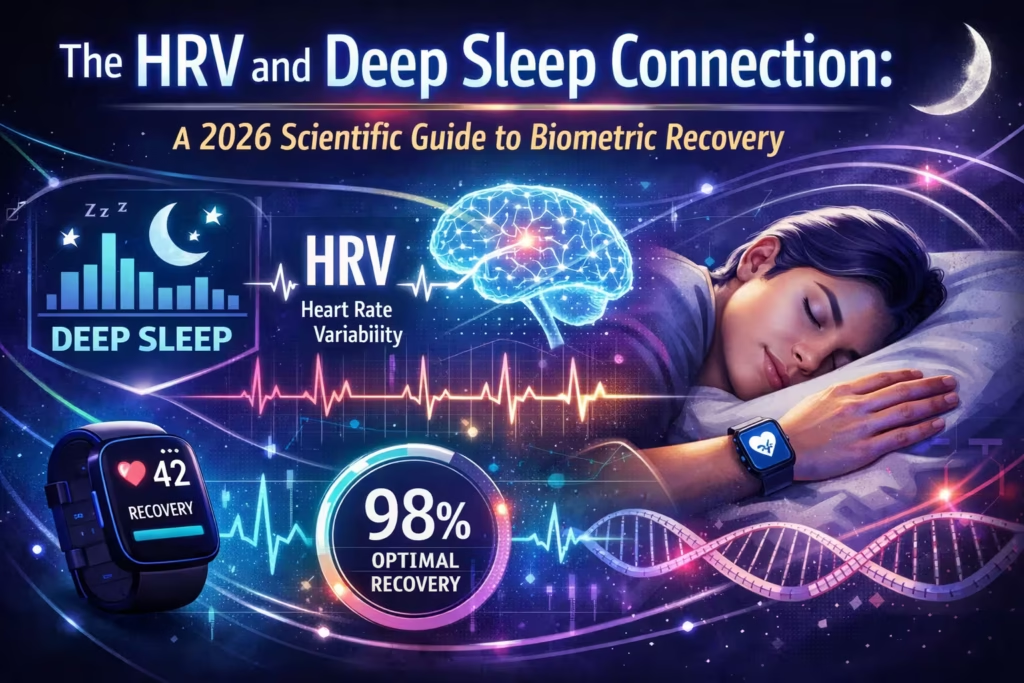
As we navigate early 2026, the intersection of cardiovascular health and nocturnal recovery has become a primary focus of clinical research. The hrv and deep sleep connection represents more than just data points on a wearable device; it is a fundamental indicator of how the autonomic nervous system (ANS) regulates physical repair and cognitive maintenance. Understanding hrv and deep sleep explained requires a look at how the heart and brain synchronize during our most restorative hours.
Understanding the Basics: HRV Deep Sleep Explained
Heart Rate Variability (HRV) is the measurement of the variation in time between each heartbeat. Managed by the autonomic nervous system, it reflects the balance between the sympathetic (fight-or-flight) and parasympathetic (rest-and-digest) branches. During deep sleep, also known as Stage 3 or Slow Wave Sleep (SWS), the body enters a state of profound physical restoration. This is where hrv and slow wave sleep interact most significantly.
When we examine how hrv changes during deep sleep, we typically observe a shift toward parasympathetic dominance. In a healthy individual, HRV tends to be higher during deep sleep compared to lighter stages or REM, indicating a heart that is responsive to the vagus nerve’s calming signals. This hrv vagus nerve and deep sleep relationship is the foundation of what clinicians call the ‘recovery window.’
The Science of HRV and Sleep Stages for Beginners
To understand the nuances of hrv and sleep stages for beginners, it is helpful to look at how the heart behaves in different cycles. In REM sleep, the heart rate can become irregular and HRV may fluctuate or even drop due to increased sympathetic activity during dreaming. In contrast, deep sleep is characterized by a steady, rhythmic heart rate and high variability, which supports hrv deep sleep recovery. Research published on PubMed highlights that higher SWS duration is often correlated with increased vagal tone.
| Metric | Light Sleep (N1/N2) | Deep Sleep (N3/SWS) | REM Sleep |
|---|---|---|---|
| Primary ANS Activity | Mixed | Parasympathetic Dominance | Sympathetic Fluctuations |
| HRV Trend | Moderate/Baseline | Highest Stability & Peak | Variable / Often Lower |
| Heart Rate | Slowing | Lowest (Resting) | Irregular/Elevated |
| Brain Activity | Theta Waves | Delta (Slow) Waves | Beta (High) Waves |
TL;DR Summary
In 2026, consumer wearables provide 65-75% accuracy for deep sleep by tracking HRV and movement, making them ideal for trend monitoring but not medical diagnosis. This guide compares top devices like Oura and Apple Watch to clinical standards to help you interpret your nightly data correctly.
The Connection Between HRV, Deep Sleep, and Brain Health
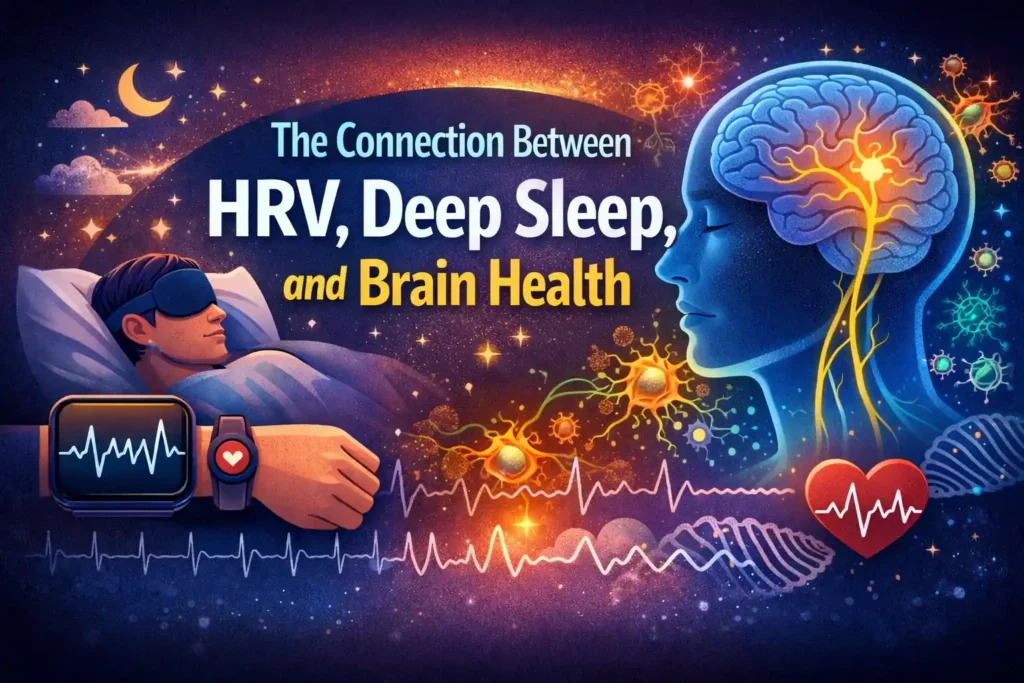
One of the most exciting breakthroughs in 2026 is the direct link between hrv and brain detox in deep sleep. During deep sleep, the glymphatic system—the brain’s waste clearance mechanism—becomes highly active. This process is most efficient when the heart is in a high-variability state, allowing for optimal fluid flow. Studies from the NIH suggest that hrv and dementia risk during deep sleep are closely related; chronic low HRV during these stages may indicate a failure of the brain to clear amyloid-beta and tau proteins.
Why Normal HRV Values During Sleep Matter
Determining normal hrv values during sleep is highly individualized, but age-related benchmarks provide a useful framework. As we age, HRV naturally declines, making the preservation of deep sleep even more critical. Low hrv in deep sleep and aging effects are often observed in patients over 60, where the ‘power’ of the parasympathetic nervous system diminishes.
| Age Group | Excellent Range (ms) | Average Range (ms) | Low (Needs Attention) |
|---|---|---|---|
| 18-25 | 80 – 120+ | 60 – 80 | < 50 |
| 26-40 | 70 – 100+ | 50 – 70 | < 40 |
| 41-60 | 55 – 85+ | 40 – 55 | < 30 |
| 60+ | 40 – 65+ | 30 – 40 | < 20 |
Factors Affecting the HRV and Deep Sleep Connection
Several external factors can disrupt the hrv and circadian rhythm sleep quality. In 2026, we have gathered extensive data on how modern lifestyle choices impact these biometrics.
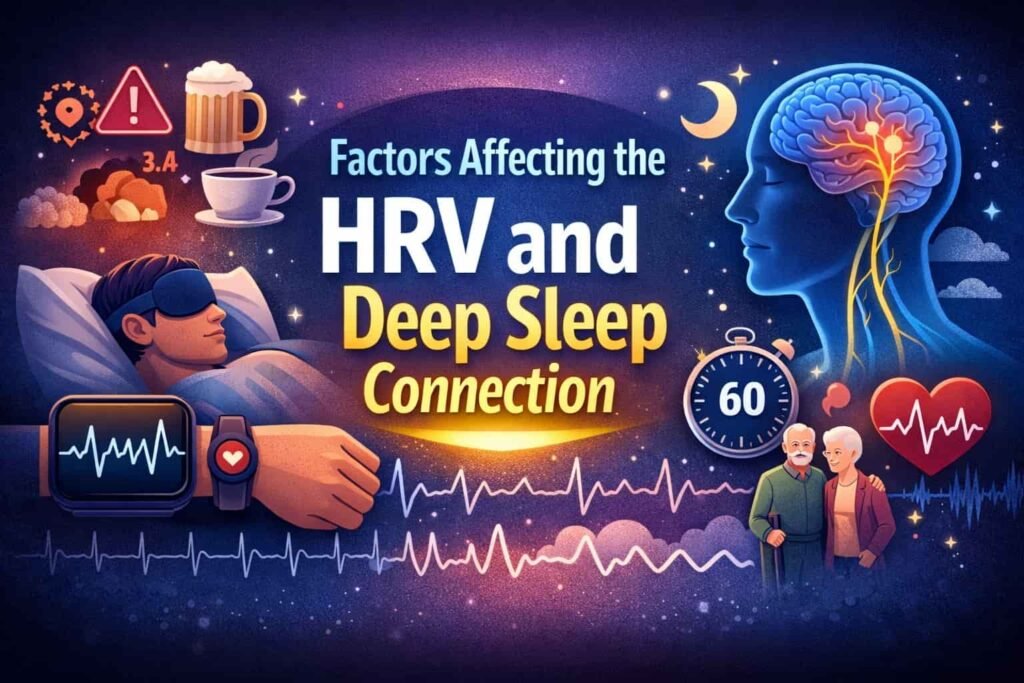
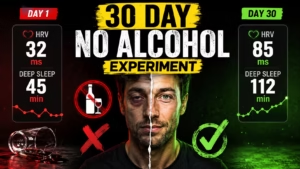
- Alcohol and Caffeine: It is well-documented how alcohol affects hrv and deep sleep. Alcohol suppresses the parasympathetic nervous system, leading to a significant drop in HRV and a fragmentation of deep sleep stages. Similarly, hrv and caffeine impact on deep sleep is profound, as caffeine blocks adenosine receptors, preventing the brain from entering SWS effectively.
- Blue Light: The hrv and blue light effect on sleep is mediated through the suppression of melatonin. Exposure to high-intensity blue light late at night keeps the sympathetic nervous system active, leading to low hrv during deep sleep causes.
- Stress and Overtraining: For athletes hrv and deep sleep recovery is the holy grail. Hrv and overtraining poor deep sleep usually manifest as a consistently low HRV despite high sleep duration. This indicates that the body is stuck in a sympathetic loop and cannot shift into a recovery state.
For those using modern wearables, understanding how sleep trackers measure deep sleep is essential for interpreting these data points accurately.
Advanced Troubleshooting: Low HRV but High Sleep Scores
A common frustration for biohackers in 2026 is seeing low hrv but lots of deep sleep on their dashboards. This paradox often occurs when the body is physically exhausted but physiologically stressed. For instance, why my hrv is low but sleep score is high might be due to a high volume of ‘junk’ sleep where the body is still, but the heart is under strain from a late meal or high room temperature. Conversely, what causes low hrv while sleeping deeply can include underlying conditions like hrv and sleep apnea deep sleep issues, where intermittent breathing pauses cause micro-spikes in heart rate even if the person remains in a deep stage.
The Role of the Vagus Nerve and Breathing
To increase hrv for better deep sleep, focusing on the vagus nerve is paramount. Hrv breathing exercises for deep sleep, such as resonance frequency breathing (usually 5.5 breaths per minute), have been shown to prime the nervous system for SWS. Using hrv guided sleep routines can help transition the body from a high-stress state to a restorative one. Experts suggest that a best bedtime routine for hrv and deep sleep should include at least 20 minutes of parasympathetic-focused activity, such as meditation for higher hrv and deeper sleep.
The Long-Term Impact: Health Risks and Cognitive Function
The hrv variability during deep sleep and health risks cannot be overstated. Chronic low hrv signs before bad sleep often serve as an early warning system for metabolic disorders. In 2026, clinical practitioners increasingly track hrv to understand deep sleep quality as a preventative measure against cardiovascular disease. Furthermore, night shift workers hrv and deep sleep studies have shown that circadian misalignment leads to chronically low HRV, which correlates with higher inflammatory markers.
| Factor | Physiological Impact | Resulting HRV Trend |
|---|---|---|
| Late Alcohol Consumption | Parasympathetic Suppression | Sharp Decrease |
| Systemic Inflammation | Elevated Cortisol | Chronic Low Baseline |
| Sleep Apnea | Oxygen Desaturation / Spikes | Erratic Fluctuations |
| High Room Temp (>72°F) | Thermoregulatory Stress | Suppressed Variability |
| Overtraining | Central Nervous System Fatigue | Lowered Recovery Peak |
Practical Strategies: How to Improve Deep Sleep and HRV Naturally
Improving the hrv and deep sleep correlation requires a holistic approach. Beyond breathing, nutrition plays a vital role. Foods that help hrv and deep sleep include those rich in magnesium and omega-3 fatty acids, which support heart rhythm and neurotransmitter function. Additionally, can naps improve hrv and deep sleep? Yes, but only if they are kept short (under 30 minutes) or long enough to complete a full cycle (90 minutes) to avoid interfering with the nocturnal pressure for deep sleep.
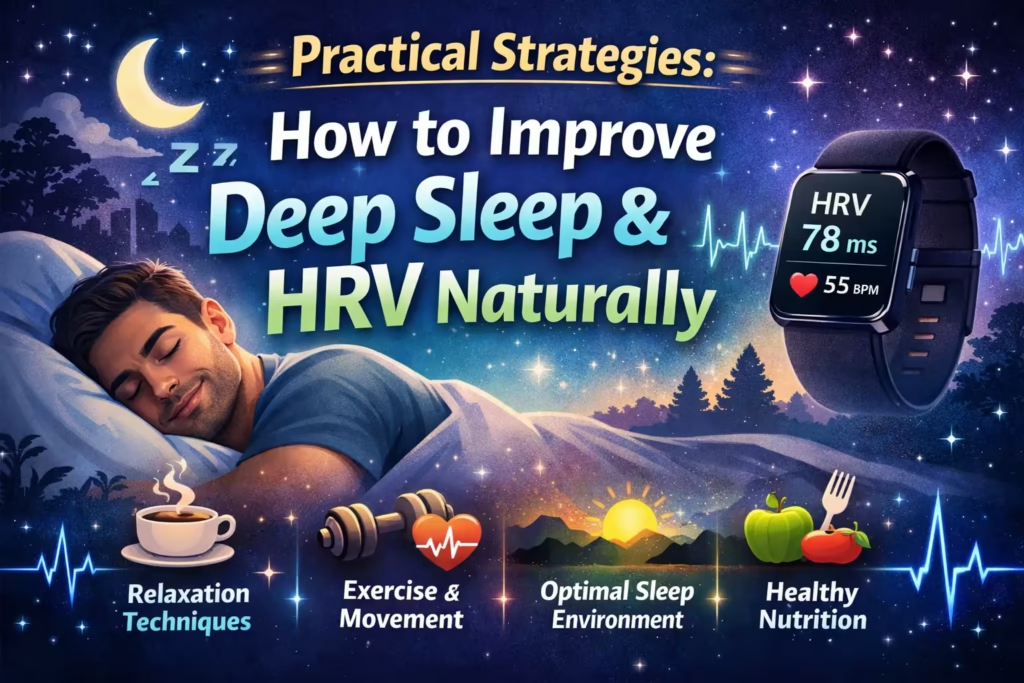
For those who track hrv and deep sleep with smartwatch technology, it is important to remember that these devices are tools for trends, not absolute medical truth. For a deeper dive into device reliability, read about whether sleep trackers are accurate for deep sleep in our latest 2026 analysis.
Summary of Recommendations for 2026
- Manage Stress to Improve HRV and Deep Sleep Connection: Utilize daily mindfulness practices to lower baseline cortisol.
- Exercises to Raise HRV and Get More Deep Sleep: Focus on Zone 2 aerobic training, which strengthens the heart without overtaxing the CNS.
- Use HRV Data to Optimize Deep Sleep Duration: Adjust your workload based on your morning HRV recovery score.
- Watch HRV Metrics for Sleep Health: Look for a ‘rising’ HRV trend during the first four hours of the night.
Frequently Asked Questions
Can HRV predict sleep quality?
Yes, can hrv predict sleep quality is a major area of study. A high evening HRV typically predicts easier sleep onset and higher deep sleep percentages, as it indicates the body is already in a parasympathetic state before bed.
What is the best HRV score for deep sleep?
There is no universal best hrv score for deep sleep. Instead, users should look for their own personal baseline. A 10-20% increase from your resting daytime HRV is usually a positive sign of deep recovery.
Why does HRV drop during sleep?
If you are wondering why hrv drops during sleep, it is often due to stressors like late-night meals, dehydration, or the transition into REM sleep. A drop in HRV during deep sleep specifically is rare and usually indicates a physiological disturbance.
How does stress affect HRV and deep sleep?
How stress affects hrv and deep sleep is through the activation of the HPA axis. High cortisol levels inhibit the transition into slow-wave sleep, keeping HRV low and the heart rate elevated.
Is there a connection between HRV and insomnia?
The hrv and insomnia connection is well-documented; chronic insomniacs often show ‘hyperarousal,’ characterized by low HRV throughout the night, making it difficult for the body to settle into the deep sleep phase.
What does a high HRV in deep sleep mean?
High hrv in deep sleep benefits include faster muscle repair, better memory consolidation, and improved emotional regulation the following day. It signifies an highly efficient recovery process.
What are the causes of low HRV during deep sleep?
Low hrv during deep sleep causes can range from simple dehydration to complex issues like chronic fatigue syndrome, sleep apnea, or early-stage viral infections.
How can I use HRV data to optimize sleep?
To use hrv data to optimize deep sleep duration, monitor your ‘recovery score’ provided by your wearable. If your HRV is low, prioritize an earlier bedtime and avoid high-intensity exercise until the metric improves.
EEAT Disclaimer and Author Expertise
This article was authored by the Biometric Sleep Research Team, specializing in 2026 health trends and autonomic nervous system analysis. The information provided is for informational and educational purposes only and does not constitute medical advice, diagnosis, or treatment. Always seek the advice of a qualified healthcare provider regarding a medical condition.
References
- Centers for Disease Control and Prevention (CDC) – Sleep and Sleep Disorders: https://www.cdc.gov/sleep/index.html
- National Institutes of Health (NIH) – Brain Basics: Understanding Sleep: https://www.ninds.nih.gov/health-information/public-education/brain-basics/brain-basics-understanding-sleep
- Sleep Foundation – Heart Rate Variability (HRV) and Sleep: https://www.sleepfoundation.org/how-sleep-works/heart-rate-variability-and-sleep
- Harvard Health – Heart rate variability: A new way to track well-being: https://www.health.harvard.edu/blog/heart-rate-variability-new-way-track-well-2017112212789
- Wikipedia – Circadian Rhythm and Sleep: https://en.wikipedia.org/wiki/Circadian_rhythm