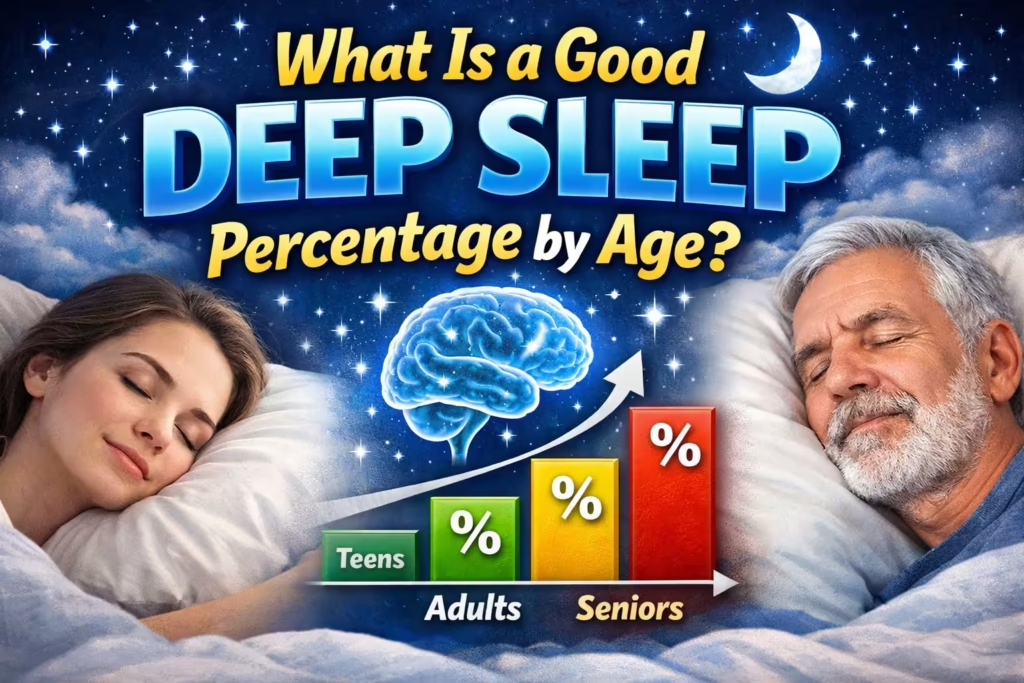
Sleep is not just about quantity — it’s about quality. And when discussing sleep quality, one stage stands out above the rest: deep sleep.
If you’ve been tracking your sleep with a smartwatch or sleep app, you’ve likely seen metrics showing light sleep, REM sleep, and deep sleep percentages. But what is a good deep sleep percentage by age? How does it change throughout your life? And why does it matter more than the total hours you sleep?
In this guide, we’ll break down ideal deep sleep percentages by age, explain why deep sleep is critical for your health, and provide practical strategies to improve it naturally — step by step.
What Is Deep Sleep?
Deep sleep — also called slow-wave sleep (SWS) or Stage 3 non-REM sleep — is the most physically restorative stage of sleep.
During deep sleep:
- Your heart rate slows
- Blood pressure drops
- Breathing becomes steady
- Muscles relax completely
- Growth hormone is released
- Cellular repair and tissue growth occur
- Immune function strengthens
It is extremely difficult to wake someone during deep sleep. This stage is when your body performs the most essential maintenance — from muscle repair to hormone regulation.
Why Deep Sleep Is Vital
Deep sleep plays a critical role in:
- Physical recovery — repairing muscles and tissues after activity
- Memory consolidation — storing important information in the brain
- Hormone regulation — balancing growth hormone, cortisol, and more
- Immune system support — keeping your body resilient against illness
Without enough deep sleep, you may wake up feeling tired, even after a full night of sleep.
Why Deep Sleep Percentage Matters
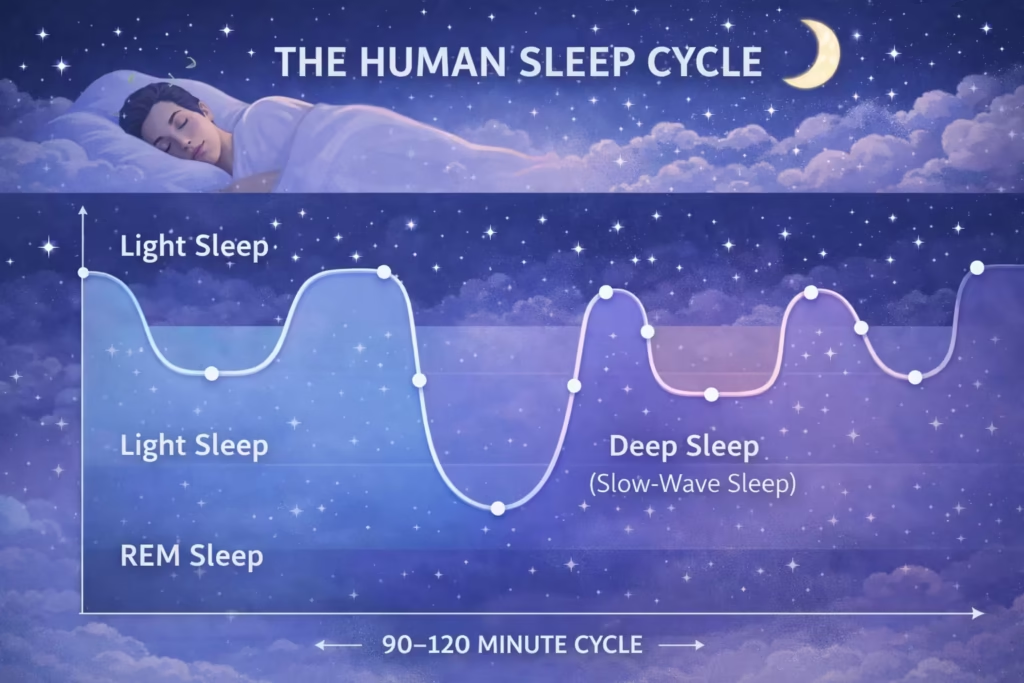
Sleep occurs in cycles, usually lasting 90–120 minutes, and each cycle contains:
- Light sleep (Stage 1 & 2)
- Deep sleep (Stage 3)
- REM sleep (Rapid Eye Movement)
Deep sleep generally happens more during the first half of the night, while REM sleep dominates the second half.
The percentage of deep sleep is the proportion of your total sleep spent in this restorative stage. Monitoring this percentage is crucial because it indicates how well your body is recovering and repairing itself each night.
Tracking your good deep sleep percentage by age helps you identify whether your sleep is optimal or if lifestyle adjustments are needed.
Good Deep Sleep Percentage by Age
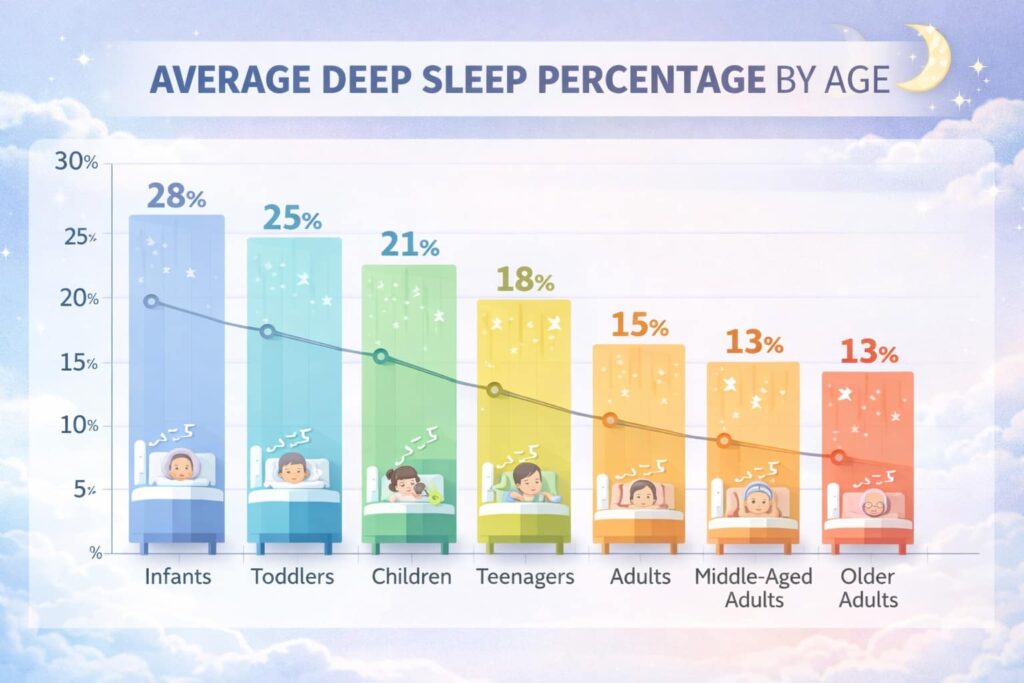
Deep sleep naturally declines as we age. Children and teenagers generally get significantly more deep sleep than adults.
Here’s a clear breakdown:
| Age Group | Average Deep Sleep Percentage | Typical Deep Sleep Duration (8 Hours) |
|---|---|---|
| Infants (0–1 year) | 30–40% | 2.5–3+ hours |
| Toddlers (1–3 years) | 25–35% | 2–3 hours |
| Children (4–12 years) | 20–30% | 1.5–2.5 hours |
| Teenagers (13–18 years) | 18–25% | 1.5–2 hours |
| Adults (19–40 years) | 15–20% | 1–1.5 hours |
| Middle-aged Adults (41–60 years) | 10–15% | 45–75 minutes |
| Older Adults (60+ years) | 5–12% | 30–60 minutes |
Key Insight:
For most healthy adults, a good deep sleep percentage falls between 15–20%. For older adults (60+), 5–12% can still be considered normal.
What Is a Good Deep Sleep Percentage for Adults?
For adults aged 19–40, the ideal deep sleep percentage is:
- Ideal range: 15–20%
- Acceptable range: 13–23%
- Concerning if consistently below: 10%
If you sleep 7.5 hours:
- 15% deep sleep = ~67 minutes
- 20% deep sleep = ~90 minutes
While a single night’s reading may vary, consistency is key. If you regularly get under 45 minutes of deep sleep, you may notice:
- Chronic fatigue
- Poor muscle recovery
- Weakened immunity
- Brain fog
- Increased stress
Adults who maintain healthy deep sleep percentages usually report feeling more energized, focused, and physically resilient throughout the day.
Why Deep Sleep Decreases With Age
Deep sleep naturally declines with age, a normal biological process. Factors contributing to this decline include:
- Reduced growth hormone production – slows tissue repair and recovery
- Changes in brain wave activity – fewer slow-wave patterns during sleep
- Circadian rhythm shifts – your body clock may cause earlier wake times and lighter sleep
- Decreased melatonin production – less natural sleep hormone makes deep sleep harder to sustain
Consequences of age-related deep sleep decline:
- Lighter sleep overall
- More frequent nighttime awakenings
- Shorter periods of deep sleep
While these changes are normal, extremely low deep sleep may indicate underlying issues, such as:
- Sleep apnea
- Chronic stress or insomnia
- Hormonal imbalances
Lifestyle Factors That Affect Deep Sleep
Even healthy adults may not reach optimal deep sleep due to daily habits. Understanding these can help you make simple, effective changes.
1. Irregular Sleep Schedule
Going to bed and waking up at different times confuses your body clock, reducing deep sleep cycles. Aim for a consistent bedtime, even on weekends.
2. Stress and High Cortisol Levels
Chronic stress elevates cortisol, which suppresses slow-wave sleep. Evening relaxation routines like meditation, deep breathing, or journaling can help.
3. Caffeine and Stimulants
Consuming caffeine or nicotine too close to bedtime delays sleep onset and lowers deep sleep percentages. Limit stimulants after mid-afternoon.
4. Heavy Meals Late at Night
Digesting a large meal disrupts deep sleep cycles. Opt for lighter dinners and avoid eating 2–3 hours before bed.
5. Alcohol Consumption
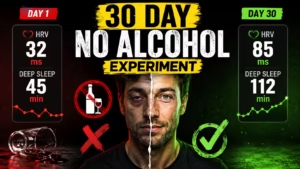
Alcohol may help you fall asleep faster, but it reduces deep sleep quality and interrupts REM sleep.
6. Sleep Environment
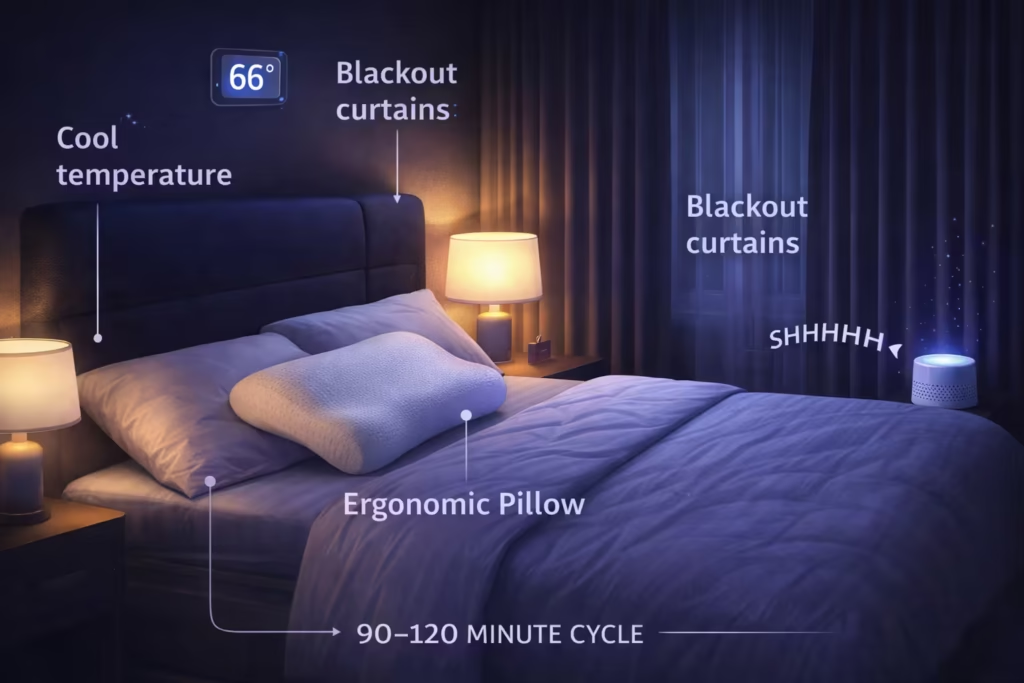
Temperature, light, and noise matter. Keep your bedroom cool (60–67°F / 15–19°C), dark, and quiet to encourage restorative sleep.
By adjusting these lifestyle factors, adults can often increase their deep sleep percentage naturally without medication.
How to Measure Deep Sleep Accurately
Monitoring your deep sleep is essential to know if your sleep quality is optimal.
Common tools to track deep sleep:
- Wearable devices: Apple Watch, Fitbit, Garmin, Oura Ring
- Sleep tracking apps: Many smartphones and fitness apps estimate sleep stages
- Polysomnography (sleep study): The most accurate method, measuring brain activity, eye movement, and heart rate
Important: Wearables use heart rate variability and movement to estimate sleep stages — they aren’t 100% accurate. However, they are useful for tracking trends over time.
Signs You’re Not Getting Enough Deep Sleep
You don’t always need a tracker to notice low deep sleep. Common indicators include:
- Waking up unrefreshed despite enough hours in bed
- Muscle soreness even with light activity
- Frequent colds or illness
- Mood swings or irritability
- Difficulty concentrating
- Dependence on caffeine to stay awake
Deep sleep is when your body performs essential biological maintenance. Without it, both physical and cognitive performance decline.
How to Increase Deep Sleep Naturally
If your deep sleep percentage is below the ideal range for your age, the following science-backed strategies can help:
1. Exercise Regularly
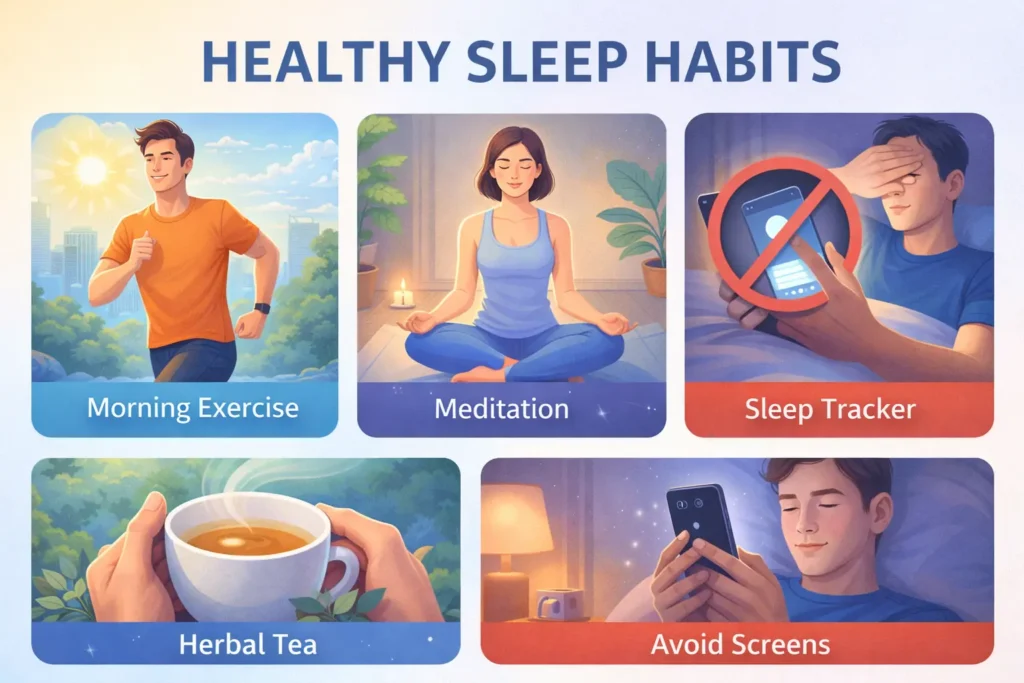
- Moderate aerobic exercise increases slow-wave sleep.
- Best timing: Morning or early afternoon
- Avoid intense workouts late at night
2. Maintain a Consistent Sleep Schedule
- Go to bed and wake up at the same time daily, even on weekends.
- Your circadian rhythm thrives on consistency.
3. Keep Your Bedroom Cool
- Ideal temperature: 60–67°F (15–19°C)
- Cooler environments promote deeper sleep stages.
4. Reduce Alcohol Intake
- Alcohol can help you fall asleep faster but reduces deep sleep quality.
5. Limit Blue Light at Night
- Blue light from phones, TVs, and computers suppresses melatonin.
- Stop screen use 60–90 minutes before bed.
6. Manage Stress Levels
- High cortisol interferes with deep sleep.
- Try:
- Meditation
- Deep breathing exercises
- Journaling
- Magnesium supplementation
7. Avoid Heavy Late-Night Meals
- Large meals close to bedtime disrupt sleep cycles.
- Stick to lighter dinners 2–3 hours before sleeping.
Is Too Much Deep Sleep a Problem?
While most people struggle with too little deep sleep, unusually high deep sleep (30%+) in adults may indicate:
- Recovery from sleep deprivation
- Intense physical training
- Certain underlying health conditions
If you feel refreshed and functional, higher deep sleep is generally beneficial.
Deep Sleep vs REM Sleep
Both deep sleep and REM sleep are essential, but they serve different purposes:
| Deep Sleep | REM Sleep |
|---|---|
| Physical repair | Emotional regulation |
| Muscle recovery | Memory consolidation |
| Immune function | Dreaming |
| Growth hormone release | Brain processing |
A balanced sleep cycle includes both deep and REM sleep for full recovery.
When to See a Doctor
While lifestyle improvements can help most people, consult a healthcare professional if you experience:
- Chronic insomnia
- Loud snoring or choking during sleep
- Extreme daytime fatigue
- Deep sleep consistently below 5%
- Restless leg symptoms
Possible conditions your doctor may check for:
- Sleep apnea – airway obstruction reduces deep sleep
- Periodic limb movement disorder – involuntary movements interrupt sleep
- Hormonal imbalance – thyroid or growth hormone issues can affect sleep
- Chronic stress disorders – elevated cortisol impairs sleep quality
Early evaluation can prevent long-term health consequences, such as weakened immunity, cognitive decline, and metabolic issues.
Supplements and Products That May Improve Deep Sleep
Certain supplements and products have evidence supporting their role in improving deep sleep percentages. These are not a replacement for healthy sleep habits but can help optimize recovery.
1. Magnesium
- Supports GABA neurotransmitter activity, which promotes relaxation
- Forms like magnesium glycinate or threonate are better absorbed
- Typical dose: 200–400 mg in the evening
2. Melatonin
- Naturally regulates sleep-wake cycles
- Short-term use can help with circadian rhythm disruptions
3. Glycine
- Amino acid that may improve sleep quality
- Often taken before bedtime in doses of 3 grams
4. Sleep Environment Upgrades
- Cooling mattress toppers and ergonomic pillows improve comfort and encourage deeper sleep
- Blackout curtains or white noise machines reduce interruptions
5. Wearable Sleep Trackers
- Devices like Oura Ring, Fitbit, or Garmin watches help monitor trends over time
- Provides actionable insights on lifestyle adjustments
Disclaimer: Supplements and products may help improve sleep quality, but they are not a substitute for good sleep habits. Always consult a healthcare professional before starting any new supplement, especially if you have medical conditions, take medications, or are pregnant or breastfeeding.
Frequently Asked Questions (FAQ)
1. What is a good deep sleep percentage by age?
- Adults 19–40: 15–20%
- Older adults may naturally drop to 5–12%, which is still normal
2. Is 2 hours of deep sleep good?
- Yes. For an adult sleeping 8 hours, 2 hours equals 25%, slightly above average and generally healthy
3. Why is my deep sleep so low?
- Common causes: stress, alcohol consumption, poor sleep schedule, sleep apnea, aging
4. Does deep sleep decrease with age?
- Yes. Deep sleep gradually declines after early adulthood due to changes in brain wave activity and hormone production
5. Can supplements increase deep sleep?
- Magnesium, glycine, and melatonin may support sleep quality, but lifestyle improvements are more effective long-term
6. Is 10% deep sleep enough?
- For adults over 50, 10% may be normal. For younger adults, it’s low but not necessarily alarming if you feel rested
Final Thoughts
Understanding what is a good deep sleep percentage by age allows you to interpret your sleep data intelligently and make meaningful improvements.
Key takeaways:
- Adults typically need 15–20% deep sleep
- Deep sleep naturally declines with age
- Lifestyle factors heavily influence sleep quality
- Consistency matters more than single-night readings
- Waking refreshed and recovering physically are better indicators than percentages alone
Sleep quality is a long-term pattern, not a nightly score. By monitoring your sleep, optimizing your habits, and supplementing when necessary, you can maximize deep sleep, improve recovery, and boost your overall health.