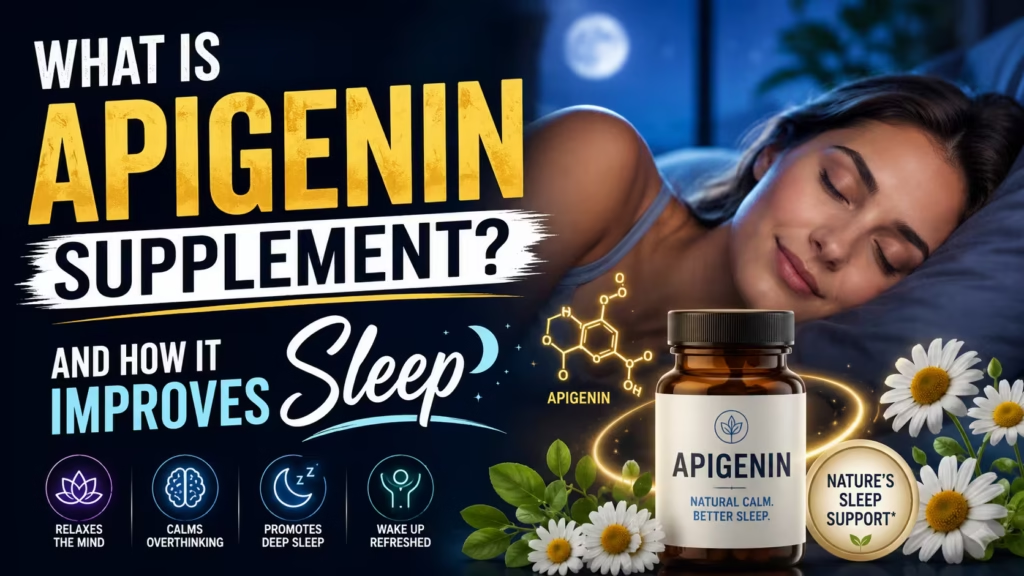

Many people today look for natural ways to get better sleep. Apigenin, a bioflavonoid in chamomile flowers, is a top choice for improving sleep.
This plant extract works with the brain to help you relax. It affects GABAergic pathways, which calm the mind before sleep.
More and more people are using this nutrient to help their sleep cycles. Evidence-based research shows it leads to better sleep quality without the side effects of man-made sleep aids.
Knowing how this plant works helps people improve their sleep routines. This guide dives into the science behind using plant extracts for better sleep.
Key Takeaways
- Apigenin acts as a natural bioflavonoid derived from chamomile.
- It promotes relaxation by interacting with brain GABA receptors.
- The compound supports healthy sleep architecture for better recovery.
- Users report improved rest quality without morning drowsiness.
- Integrating this extract offers a science-backed approach to wellness.
Understanding the Science of Apigenin
To understand the science behind apigenin sleep, we need to look at its chemical structure. Many wonder what is apigenin and how it’s different from other herbal extracts. Once we grasp the apigenin supplement explained, we see it as a natural controller of brain activity.
The Botanical Origins of Apigenin
Apigenin is a plant flavonoid found in many plants. The most well-known source is Matricaria recutita, or chamomile. For centuries, chamomile apigenin sleep effects have helped with restlessness and anxiety.
Other plants like parsley, celery, and some citrus fruits also have apigenin. These plants use it to protect themselves from stress. When we eat these plants, we get a strong dose of this flavonoid.
How Apigenin Interacts with GABA Receptors
The reason apigenin works is its connection to the brain. Studies show it affects apigenin and GABA receptors, mainly the GABA-A type. GABA calms the brain.
Apigenin acts like GABA, reducing brain activity. This is key for falling asleep. Modern science confirms how this plant helps the brain relax for sleep.
what is apigenin supplement and how it improves sleep
To understand how apigenin helps with sleep, we need to look at its unique ways of working. Many people want to improve sleep quality naturally. They look for plant-based options that support sleep gently. Knowing what apigenin is and how it helps sleep can help you use it better at night.
Apigenin acts as a mild sedative. It helps your body relax and get ready for sleep. It sends a signal to your nervous system that it’s time to wind down.
The Mechanism of Action for Sedation
An apigenin supplement for sleep works by interacting with brain receptors. It binds to benzodiazepine receptors, similar to anti-anxiety meds. But it does so safely and with less intensity.
“Nature provides the most elegant solutions for our biological needs, giving us compounds that work with our rhythms, not against them.”
This interaction calms the central nervous system. It reduces brain activity, making it easier to fall asleep without feeling drowsy.
Evidence-Based Benefits for Sleep Quality
Research on evidence based sleep supplements often points to flavonoids like apigenin. Studies show it can improve sleep quality over time.
Does apigenin help with sleep issues? Yes, it offers several benefits:
- Reduced sleep latency: It makes falling asleep easier by quieting the mind.
- Improved sleep efficiency: It helps you sleep more soundly and without interruptions.
- Enhanced relaxation: It lowers stress hormones, helping you relax.
These benefits make apigenin a solid choice for improving sleep. It’s a key tool for better recovery through good sleep habits.
Step-by-Step Guide to Incorporating Apigenin into Your Nighttime Routine
Improving your sleep starts with the right timing of your supplements. Adding an apigenin nighttime routine needs patience and a keen eye on how your body reacts. A structured approach can greatly enhance your sleep quality.
Step One: Determining Your Optimal Timing
The timing of your supplement can greatly affect its effectiveness. Most people find that taking it 30 to 60 minutes before bed works best. But, your body’s natural rhythm might need a different timing.
Start with a 45-minute buffer before bed. Consistency is key. Stick to this timing for at least a week before making changes. Tracking your sleep can help you find the best timing for you.
Step Two: Establishing a Consistent Bedtime Ritual
A supplement works best as a signal to your brain that it’s time to relax. Pairing it with calming activities creates a strong signal. Try reading, light stretching, or dimming lights.
These activities help the supplement work better by lowering cortisol levels. When your environment and body chemistry align, you sleep faster. Avoid screens and intense tasks in the last hour to let the supplement work.
Step Three: Adjusting for Individual Sensitivity
Everyone reacts differently to herbal compounds. Start with a low dose and watch how you feel the next day. If you’re too tired, lower the dose or take it earlier.
The table below helps you manage your intake based on how you feel.
| Sensitivity Level | Recommended Starting Dose | Timing Strategy | Adjustment Goal |
|---|---|---|---|
| High Sensitivity | 25mg | 60 mins before bed | Minimize morning grogginess |
| Moderate Sensitivity | 50mg | 45 mins before bed | Balance onset and duration |
| Low Sensitivity | 100mg | 30 mins before bed | Maximize sedative impact |
By carefully watching these factors, you can tailor your apigenin nighttime routine to your needs. Always listen to your body as you make adjustments. With time, you’ll find the perfect balance for a good night’s sleep.
Optimizing Your Sleep Stack with Apigenin

Building a strong sleep protocol is like mixing the right ingredients. By blending certain nutrients, you can make your bedtime routine even more soothing. A good apigenin sleep stack targets different brain areas for better sleep.
Synergy Between Apigenin and Magnesium
The apigenin and magnesium stack is a top choice for relaxation. Magnesium, like glycinate or threonate, helps calm the nervous system. Paired with apigenin, these sleep optimization supplements reduce muscle tension.
This mix is praised for boosting natural GABA activity. People find it easier to fall asleep when they take these about an hour before bed. This blend calms the mind without making you feel drowsy.
Combining Apigenin with Other Natural Compounds
To create an advanced sleep biohacking stack, many add other plant extracts. L-theanine, for example, promotes a relaxed yet alert state. Glycine also helps by lowering body temperature.
These ingredients work together, not against each other. They tackle both mental and physical restlessness, creating a better sleep environment. Consistency is the key to better sleep over time.
Creating a Non-Habit Forming Sleep Protocol
Choosing non habit forming sleep aids is key for long-term health. Unlike drugs, natural aids help your body relax naturally. A good plan signals to your brain that it’s time to sleep.
See your bedtime routine as a whole practice, not just a quick solution. By changing your supplements or doses as needed, you keep your stack effective. This thoughtful approach keeps your body strong and rested for the long run.
Comparing Apigenin to Other Natural Sleep Aids
Exploring natural sleep supplements 2026 means understanding how they work with your body. Not all substances help you sleep in the same way.
Choosing the right supplement depends on your goals and how your body reacts. By looking at the best natural sleep aids 2026, you can pick what’s best for you.
Apigenin versus Melatonin
The debate between apigenin vs melatonin focuses on their effects on the body. Melatonin tells your brain it’s time to sleep, setting your clock.
Apigenin, on the other hand, is a mild sedative. It binds to brain receptors that help you relax. Melatonin is great for jet lag, but apigenin is better for calming your nervous system without changing hormone levels.
| Feature | Apigenin | Melatonin |
|---|---|---|
| Primary Action | GABA Receptor Modulation | Hormonal Signaling |
| Hormonal Impact | None | Directly Increases Levels |
| Best Use Case | Relaxation & Sleep Quality | Circadian Rhythm Reset |
Why Apigenin is Preferred for Long-Term Use
Many people choose apigenin for long-term use because it’s safe. It doesn’t cause dependency or a “hangover” effect like some sleep aids do. It’s a gentle and sustainable way to sleep better every night.
It doesn’t mess with your natural hormones, making it safer for daily use. Consistency is key for a sleep routine that supports your health goals.
Apigenin calms your mind instead of forcing sleep. This lets your body sleep naturally. It’s a top choice for better sleep hygiene.
Safety, Dosage, and Possible Side Effects
Before adding new compounds to your nightly routine, it’s key to check safety and dosage. Using an apigenin supplement for sleep needs a careful approach. This ensures you get the relaxation you want without harming your health. Knowing how your body reacts to these natural compounds is the first step to a successful wellness journey.
Recommended Dosage Guidelines for Sleep
Finding the right apigenin dosage for sleep can take some trial and error. Most studies suggest a range of 50mg to 300mg for sedative effects. Start with the lower end to see how you react.
Being consistent is essential to find your personal dose. Keep track of your intake and sleep quality. This helps you find the smallest dose that works for you. Always talk to a healthcare professional before changing your supplement routine.
Identifying Possible Interactions and Contraindications
Even though it’s natural, apigenin can interact with other substances. Be careful if you’re on meds that affect your nervous system or blood clotting. Always tell your doctor about your supplements to avoid health problems.
“The art of medicine consists of amusing the patient while nature cures the disease.”
— Voltaire
People with hormone-sensitive conditions need to be extra careful. This compound can affect certain body pathways. Getting professional advice is important to make sure it doesn’t mess with your treatments or health issues.
Managing Side Effects and Tolerance
Most people find apigenin side effects mild and rare. But, some might feel stomach discomfort or drowsiness that lasts into the next day. If you experience these, try reducing your dose or changing when you take it.
To avoid getting used to it, many suggest a cycling protocol. Take the supplement for a few nights, then take a break. This lets your system reset. Keep an eye on your sleep to see if your current plan is working long-term.
The Role of Apigenin in Circadian Rhythm and Deep Sleep
Deep sleep is key for physical recovery. Apigenin is a special way to help with this. Many people look for apigenin sleep benefits to get better rest and feel more alive during the day.
This compound helps the body move into deep sleep more easily. It works on specific brain paths to make this happen.
Enhancing Deep Sleep Architecture
Your sleep has different stages, like light sleep, deep sleep, and REM sleep. Getting deep sleep enhancement naturally is important for your brain and emotions. Apigenin gently helps these stages happen smoothly.
It makes you relax, supporting natural rem sleep support. This lets your brain work and fix itself while you sleep. Waking up, you feel refreshed and sharp.
Supporting Natural Circadian Rhythm Regulation
Your body has an internal clock that controls when you sleep and wake. Using circadian rhythm support supplements helps keep this clock in sync with day and night. This is key for steady energy all day.
Apigenin tells your body it’s time to relax, making it easier to fall asleep. It helps keep your sleep cycle balanced. This makes it a great tool for a better night’s sleep.
The table below shows how different things affect your sleep quality.
| Sleep Metric | Impact of Apigenin | Goal |
|---|---|---|
| Sleep Latency | Reduces time to fall asleep | Faster onset |
| Deep Sleep | Increases duration | Physical recovery |
| REM Cycles | Supports stability | Cognitive health |
| Overall Quality | Among supplements that increase deep sleep | Vitality |
Addressing Insomnia and Anxiety with Herbal Compounds

Managing chronic restlessness often needs a mix of natural, calming supplements for bedtime. Many find standard sleep tips not enough for a busy mind. Adding herbal compounds for sleep helps relax and prepare for sleep.
The Calming Effects of Apigenin on the Nervous System
Apigenin is known for calming the brain’s pathways. It binds to receptors, reducing nervous signals that cause unease. This is why many see apigenin relaxation benefits after regular use.
Supporting the nervous system helps the body relax. This is key for those using apigenin for anxiety and sleep. It quiets the mind, making it easier to fall asleep.
Using Apigenin for Stress-Induced Sleep Latency
Stress can keep you awake, even when you’re tired. This is because it’s hard to stop thinking about the day’s stress. Apigenin for insomnia helps by making it easier to relax.
For best results, take your supplement 30 to 60 minutes before bed. This lets it work well as you start to relax. Consistency is key for natural sleep aids.
Best Practices for Sourcing High-Quality Supplements
Not all herbal extracts are the same. Choosing wisely is key for anyone looking to stay healthy. You want to know what’s in your supplements. Transparency from makers is a sign of a good brand.
What to Look for in Third-Party Testing
Third-party testing is the best way to check a product. Labs check supplements to make sure they match what’s on the label. This means the product is safe from harmful stuff.
Look for a Certificate of Analysis (COA) on the company’s website. If they don’t share this, it’s best to stay away. A COA shows the product meets strict safety standards.
“Quality control in the supplement industry is not just a regulatory requirement; it is a fundamental promise to the consumer that the product is both safe and effective.”
— Industry Quality Assurance Expert
Evaluating Purity and Bioavailability
It’s not just about safety. You also need to think about purity and bioavailability. Good supplements have a standard way of extracting active ingredients. This makes sure your body can use the nutrients well.
Check the label for unwanted extras like fillers or additives. A clean, potent formula is better than a cheap, watered-down one. Here’s a table to help you compare different brands.
| Feature | High-Quality Standard | Low-Quality Indicator |
|---|---|---|
| Testing | Third-party verified | No lab reports available |
| Ingredients | Pure, standardized extract | Excessive fillers and binders |
| Transparency | Full disclosure of sourcing | Proprietary blends only |
| Bioavailability | Optimized for absorption | Poorly processed raw material |
By focusing on these standards, you support your health goals. Researching your sources is a critical step for a lasting wellness plan.
Monitoring Your Sleep Performance and Recovery
Today’s tech lets you turn sleep into useful data. This shift helps you move from guessing to a science-backed approach to health. It’s key for anyone wanting to improve their sleep wellness supplements routine.
Tracking Sleep Metrics with Wearable Technology
Tools like the Oura Ring, Whoop strap, or Apple Watch change how we see sleep. They give insights into your sleep patterns, like REM and deep sleep. This info helps you see which biohacking sleep supplements really help.
It’s important to wear your device every night for two weeks. This lets you see your natural sleep patterns and how things outside of sleep affect you.
Adjusting Your Supplementation Based on Data
After getting a clear picture of your sleep, you can start testing supplements. If you’re not getting enough deep sleep, try best supplements for deep sleep to see if they help. Always change one thing at a time so you know what’s working.
Use your data to fine-tune when and how much you take. If you’re waking up more often, adjust your sleep recovery supplements timing. This makes your routine more effective and tailored to you.
| Metric | What It Measures | Goal for Recovery |
|---|---|---|
| Sleep Latency | Time to fall asleep | Under 20 minutes |
| Deep Sleep | Physical restoration | 15-25% of total sleep |
| REM Sleep | Cognitive processing | 20-25% of total sleep |
| Resting HR | Cardiovascular recovery | Lower than baseline |
Regularly checking these metrics helps your sleep performance supplements work better with your body. Making changes based on data keeps your routine effective and healthy. Be patient, watch the trends, and let the numbers guide you to better sleep.
Conclusion
Mastering sleep hygiene is a mix of science and daily habits. Apigenin is a key tool for calming the nervous system and improving recovery. By choosing high-quality sources and tracking your response, you control your sleep.
Wellness comes from small, daily actions. Adding evidence-based compounds to your routine builds a strong health base. Now, you can confidently choose supplements like those from Thorne or Life Extension.
Your sleep journey is unique. Listen to how your body reacts to different approaches. Adjust your plan based on real data. This dedication will lead to better sleep.
Start building a sustainable sleep environment today. Smart choices in supplements and lifestyle boost energy and mental clarity. Begin your journey to better sleep with purpose.
FAQ
What is apigenin supplement and how it improves sleep?
A: Apigenin is a natural compound found in plants like chamomile, parsley, and celery. It helps improve sleep by affecting the brain’s calming centers. This makes it a top choice for those wanting to improve sleep quality naturally.
How does the science behind apigenin sleep compare to other herbal compounds?
A: Apigenin sleep science is unique because it calms the brain without the side effects of some drugs. Unlike many herbal compounds for sleep, apigenin targets anxiety and relaxation benefits. This helps you sleep better.
What are the primary apigenin deep sleep benefits?
The main apigenin deep sleep benefits are improving sleep quality. It helps regulate your body’s natural sleep cycle. This leads to better natural REM sleep support and overall sleep recovery.
Is an apigenin and magnesium stack better than taking it alone?
Many experts, including Dr. Andrew Huberman, suggest combining apigenin and magnesium. This mix relaxes your nervous system and muscles. It’s a top advanced sleep biohacking stack for deep rest.
How does apigenin vs melatonin compare for long-term use?
A: Apigenin is better for long-term use because it’s a non-habit forming sleep aid. Unlike melatonin, which can disrupt natural hormone production, apigenin supports your body’s natural rhythm without dependency.
What is the recommended apigenin dosage for sleep?
The usual apigenin dosage for sleep is 50 mg to 200 mg daily. It’s most effective when taken 30 to 60 minutes before bed. Brands like Double Wood Supplements offer standardized dosages for adjusting to your needs.
Can apigenin for insomnia help with racing thoughts at night?
Yes, apigenin for insomnia is great for stress-related sleep issues. It quiets the brain, helping you relax and sleep deeply. It’s a calming supplement for bedtime that reduces mind racing.
Are there any apigenin side effects I should be concerned about?
Possible apigenin side effects are mild, like stomach upset or dizziness in high doses. It should be used carefully with sedatives. Always choose evidence-based sleep supplements for safety and purity.
How does apigenin contribute to a complete sleep optimization protocol?
As a key part of sleep optimization supplements, apigenin enhances sleep quality. It supports your body’s repair during sleep, leading to better focus and energy during the day.
Why is chamomile apigenin sleep effects often mentioned in traditional medicine?
The chamomile apigenin sleep effects have been known for centuries. But, modern studies show that supplements are more effective than tea. This makes it a reliable apigenin sleep stack for consistent increase deep sleep.