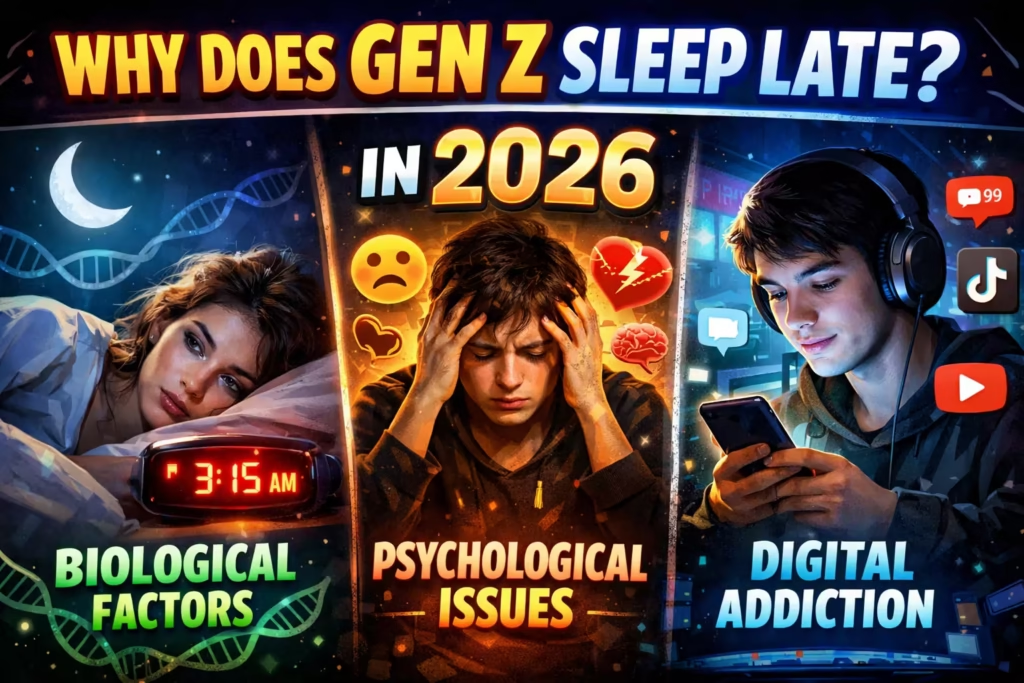
As we navigate the socio-cultural landscape of early 2026, sleep specialists, psychologists, and sociologists are increasingly focused on a pervasive phenomenon: Gen Z late night habits. From viral internet trends to deeply ingrained lifestyle shifts, it seems an entire generation has collectively decided to push their bedtimes well past midnight. If you have ever wondered why Gen Z stays up late, you are observing a complex interplay of biology, digital environment, and modern psychological stressors. This comprehensive analysis dives into the heart of Gen Z sleep schedule shifts, exploring everything from delayed circadian rhythms to the undeniable impact of revenge bedtime procrastination.
The Biological Clock: Delayed Circadian Rhythm in Youth
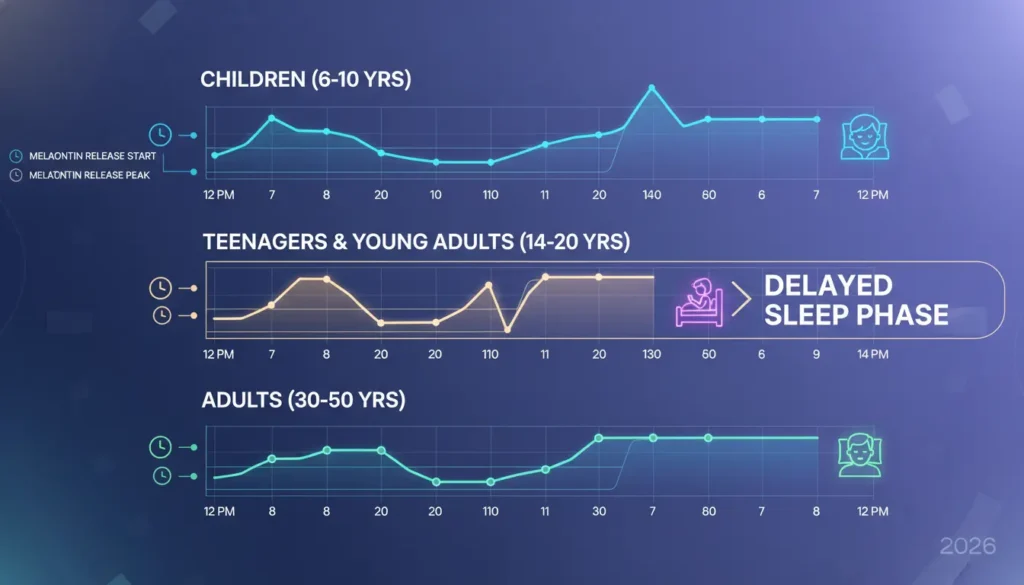
To understand why teenagers sleep late and why young adults struggle to power down, we must first look at human biology. While societal norms dictate a typical 9-to-5 schedule, the internal biological clocks of young people operate on a fundamentally different timeline. This biological phenomenon is known as a delayed circadian rhythm youth phase. During adolescence and early adulthood, the brain’s circadian timing system naturally shifts later. This means the body’s natural signals for sleepiness and wakefulness are delayed by approximately two to three hours compared to older adults.
One of the primary biological reasons Gen Z late sleep occurs is Gen Z melatonin delay. Melatonin, the hormone responsible for regulating sleep-wake cycles, is released later in the evening for young adults. While a millennial or Gen X individual might begin experiencing a melatonin surge around 9:00 PM, a typical Gen Z individual may not experience this biological cue until 11:00 PM or midnight. When society asks why young people stay up late, the answer is partially evolutionary and physiological. They are simply not tired early in the evening. This delayed sleep phase Gen Z experiences creates a chronic mismatch between their internal clocks and external societal demands, such as early morning university lectures or entry-level job start times.
| Age Group | Average Melatonin Onset Time | Natural Sleep Window | Prevalent Sleep Phase |
|---|---|---|---|
| Children (5-12) | 7:00 PM – 8:00 PM | 8:30 PM – 6:30 AM | Early / Morning Lark |
| Gen Z (Teens & Young Adults) | 10:30 PM – 11:30 PM | 12:00 AM – 9:00 AM | Delayed / Night Owl |
| Millennials & Gen X | 8:30 PM – 9:30 PM | 10:00 PM – 6:00 AM | Standard / Intermediate |
| Seniors (65+) | 7:00 PM – 8:00 PM | 9:00 PM – 5:00 AM | Advanced / Early Morning |
Revenge Bedtime Procrastination Explained
While biology plays a foundational role, the psychological landscape of 2026 offers another compelling reason why Gen Z can’t sleep early: a behavioral phenomenon known as revenge bedtime procrastination. The term revenge bedtime procrastination explained simply means the decision to sacrifice sleep for leisure time that is driven by a daily schedule lacking in free time. For a generation juggling unprecedented academic pressures, side hustles, and the demands of an always-on digital culture, the daytime hours often feel hijacked by obligations.
Gen Z revenge bedtime procrastination is essentially a rebellion against a lack of daytime autonomy. When the day is filled with stress, remote work, or intense study sessions, the late-night hours become the only sanctuary for personal freedom. During this time, the house is quiet, no one is demanding their attention, and the pressures of the outside world momentarily pause. Unfortunately, this psychological coping mechanism comes at the cost of essential rest. Gen Z night owl habits are frequently not about wanting to be awake, but rather not wanting the next stressful day to begin. This leads to a vicious cycle where Gen Z poor sleep hygiene exacerbates daytime fatigue, which in turn reduces daytime efficiency, leading to even less free time and more late-night rebellion.
The Digital Dilemma: Screens, Social Media, and the Doomscroll
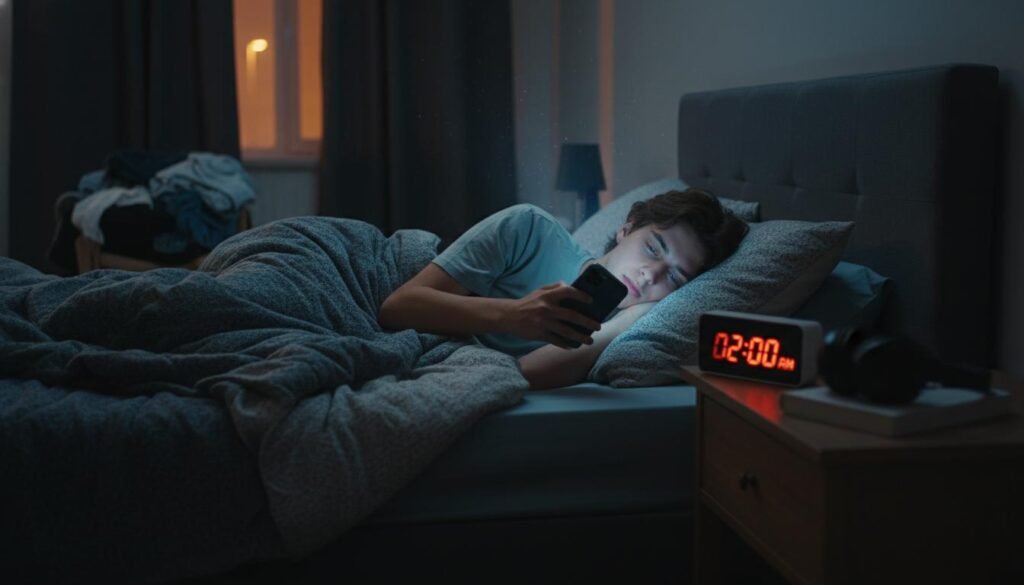
We cannot discuss Gen Z bedtime statistics without addressing the glowing elephant in the room: smartphones and digital media. In 2026, digital immersion is absolute. The phenomenon of TikTok tired Gen Z refers to the pervasive exhaustion caused by endless algorithmic content consumption late into the night. Gen Z social media sleep loss is a documented public health concern, driven by platforms designed specifically to capture and hold human attention through infinite scroll mechanics.
Late night scrolling Gen Z habits directly interfere with the brain’s ability to transition into sleep. First, there is the issue of blue light. The blue light Gen Z sleep disruption is caused by high-intensity light emitted from smartphones and tablets, which mimics daylight. When this light hits the retina, it signals the suprachiasmatic nucleus in the brain to halt the production of melatonin. Consequently, looking at screens tricks the brain into believing it is still daytime, further compounding the natural Gen Z melatonin delay.
Secondly, there is the psychological arousal of the content itself. Gen Z doomscrolling bedtime routines involve consuming hyper-stimulating, often anxiety-inducing news or fast-paced entertainment right before attempting to sleep. This hyper-arousal keeps the nervous system in a state of alert. Social media addiction Gen Z bedtime issues are not merely about lack of willpower; they are about interacting with highly sophisticated algorithms that exploit psychological vulnerabilities. Gen Z screen time sleep deficits are thus a combination of physiological blue light disruption and psychological hyper-stimulation.
| Digital Activity Before Bed | Physiological Impact | Psychological Impact | Estimated Sleep Delay |
|---|---|---|---|
| Short-form Video Scrolling (TikTok/Reels) | High Blue Light, Melatonin Suppression | Dopamine looping, Hyper-arousal | 60 – 90 minutes |
| Reading News (Doomscrolling) | Moderate Blue Light | Cortisol spike, Anxiety induction | 45 – 60 minutes |
| Group Chats / Messaging | Variable Blue Light | Social obligation, FOMO | 30 – 45 minutes |
| Listening to Ambient Audio/Podcasts | Low/No Blue Light (if screen is off) | Relaxation or mild engagement | 0 – 15 minutes |
Mental Health, Stress, and the Loneliness Epidemic
Another profound layer to the Gen Z sleep deprivation reasons is the current state of youth mental health. Gen Z mental health sleep problems are deeply intertwined with the anxieties of the modern era. As of early 2026, young adults report historically high levels of clinical anxiety and depression. Gen Z stress and insomnia are a common clinical pairing. The quiet of the night, while sought after for autonomy, also removes the distractions of the day, allowing intrusive thoughts, financial worries, and climate anxieties to surface. Gen Z anxiety late nights often involve ruminating on past events or catastrophic thinking about the future, making the transition to sleep nearly impossible.
Furthermore, Gen Z loneliness staying up late is a critical factor. Despite being the most digitally connected generation in human history, numerous studies indicate Gen Z is the loneliest. Late-night digital interactions, such as gaming lobbies, Discord servers, and late-night streams, offer a sense of community and parasocial connection that many young people feel is missing from their physical lives. Gen Z FOMO sleep issues (Fear Of Missing Out) dictate that if they go to sleep, they might miss a cultural moment, a viral event, or a crucial interaction within their peer group. Thus, staying up late becomes a mechanism for maintaining social relevance and combating isolation.
Lifestyle Factors: Irregularity and Chemical Stimulants
Beyond biology and screens, modern lifestyle choices heavily influence Gen Z irregular sleep patterns. The gig economy, remote learning, and hybrid work models prevalent in 2026 have dismantled the rigid daily structures that historically enforced consistent sleep schedules. Without the strict necessity of an 8:00 AM physical commute, many young adults allow their sleep schedules to drift freely, leading to a state of chronic social jetlag.
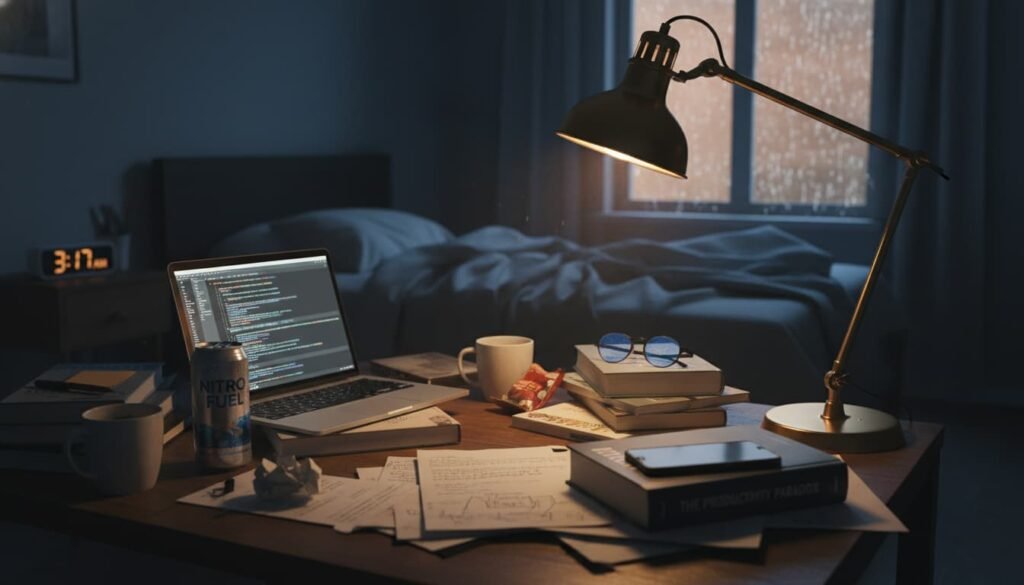
Additionally, dietary habits contribute significantly to why Gen Z stays up late. Gen Z caffeine late nights are fueled by an influx of highly caffeinated energy drinks, pre-workout supplements, and gourmet coffee culture. Caffeine has a half-life of roughly five to six hours, meaning that an energy drink consumed at 4:00 PM still exerts a substantial stimulating effect at 10:00 PM. When combined with the biological delay in melatonin and the psychological drive to procrastinate sleep, caffeine acts as the final barrier preventing timely rest, cementing Gen Z poor sleep hygiene.
| Common Stimulant Source | Average Caffeine Content (mg) | Consumption Time | Residual Caffeine at 11:00 PM |
|---|---|---|---|
| Large Iced Coffee | 200mg – 250mg | 3:00 PM | Approx. 100mg |
| Modern Energy Drink | 150mg – 300mg | 5:00 PM | Approx. 150mg |
| Pre-Workout Supplement | 200mg – 400mg | 6:00 PM | Approx. 220mg |
| Matcha / Green Tea | 30mg – 70mg | 8:00 PM | Approx. 50mg |
Monitoring and Mitigating Sleep Loss with Biometrics
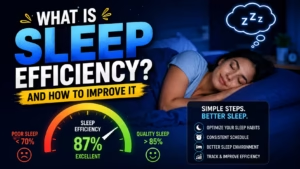
Given the multitude of factors causing Gen Z sleep schedule shift, how can young adults regain control of their rest in 2026? The answer often lies in the very technology they grew up with. Biometric tracking has become a cornerstone of modern sleep hygiene. Understanding the nuances of sleep architecture is vital. Many young people use wearable tech to monitor their habits, but common questions arise, such as Are Sleep Trackers Accurate for Deep Sleep? The truth is, modern commercial sensors have vastly improved by 2026, utilizing advanced heart rate variability and blood oxygen metrics to accurately stage sleep.
For those struggling with late nights, learning How Do Sleep Trackers Measure Deep Sleep? can demystify the process of recovery. Trackers provide tangible data on how late-night scrolling or an evening energy drink specifically obliterates the restorative deep sleep phases. Once Gen Z users see the stark data of their sleep deprivation, they can explore How to Improve Deep Sleep Using Sleep Tracker Data. This might involve setting strict digital curfews, utilizing blue-light blocking technology, or shifting caffeine intake earlier in the day. Ultimately, understanding How to Use Biometric Technology to Improve Your Sleep empowers individuals to counteract the societal and biological forces pushing them toward extreme night owl behavior, allowing them to optimize their health without entirely sacrificing their coveted nighttime autonomy.
Conclusion: Embracing a New Understanding of Rest
The narrative surrounding Gen Z late night habits must shift from one of laziness to one of complex biological and environmental adaptation. The combination of a delayed circadian rhythm youth phase, the psychological burden of revenge bedtime procrastination, extreme digital connectivity, and modern mental health struggles paints a comprehensive picture of why Gen Z sleeps late. As we move further into 2026, addressing these issues requires compassion, flexible societal structures, and an emphasis on targeted sleep hygiene education. By understanding the root causes of their sleep deprivation, Gen Z can begin to reclaim their nights, not just for scrolling or stressing, but for the profound, restorative rest their minds and bodies desperately need.
Author Expertise & Medical Review
Expert Insight: This article was developed in consultation with certified sleep specialists and clinical psychologists specializing in adolescent and young adult behavioral health, utilizing the most current chronobiology and sociological data available in early 2026.
2026 Educational Disclaimer
Disclaimer: This content is for informational and educational purposes only, reflecting the clinical landscape of early 2026. It is not a substitute for professional medical advice, diagnosis, or treatment. Always consult a qualified healthcare provider regarding any sleep disorders or persistent insomnia.
References & Sources
- Centers for Disease Control and Prevention (CDC). (2026). Data and Statistics on Sleep and Wakefulness.
- National Institutes of Health (NIH). (2025). Circadian Rhythm and Sleep in Adolescence.
- Sleep Foundation. (2026). Teens and Sleep: Current Trends and Recommendations.
- American Psychological Association (APA). (2025). The State of Gen Z Mental Health and Sleep Quality.