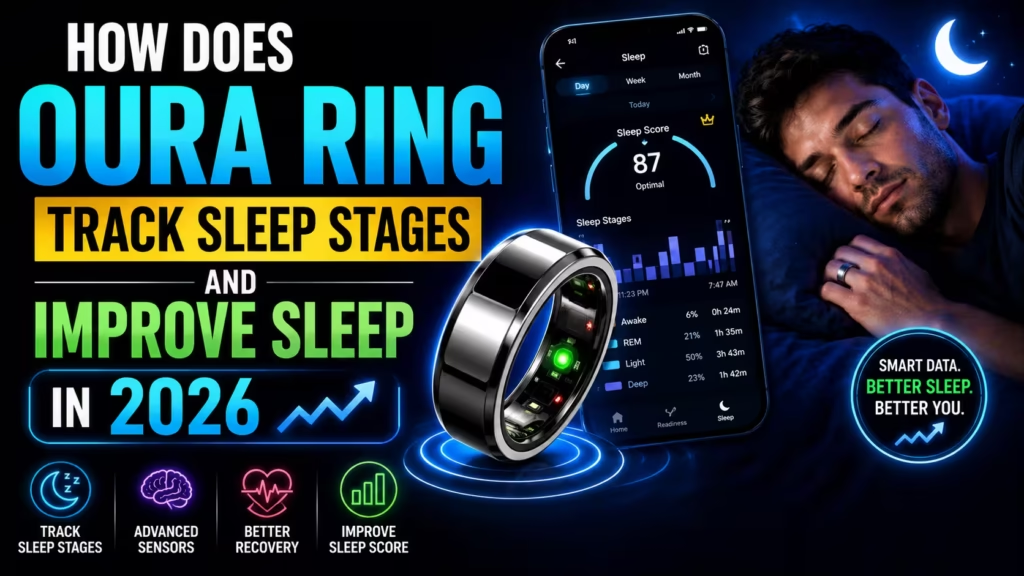
Modern wearable tech has changed how we view our sleep. Many ask how does Oura Ring track sleep stages. It uses sensors to measure heart rate and body temperature, giving us a peek into our sleep.
Knowing these details helps us improve our daily life. The benefits of oura ring sleep tracking go beyond just data. It lets us understand our sleep better, helping us make better choices.

Key Takeaways
- Advanced sensors monitor heart rate and temperature to identify rest cycles.
- Data-driven insights help users correlate daily habits with nightly recovery quality.
- Consistent monitoring reveals long-term trends in your overall health and wellness.
- Personalized feedback encourages better bedtime routines for improved energy levels.
- Wearable technology bridges the gap between raw biometric data and actionable lifestyle changes.
The Science Behind Oura Ring Sleep Tracking Technology
The Oura Ring has a complex system for tracking your body’s health. This sleep tracking technology turns raw data into useful health insights. By understanding how it works, you can make the most of the data you get every morning.
Sensors and Biometric Data Collection
The ring uses infrared sensors to track your body’s signals. These sensors shine light through your skin to measure blood flow. This method tracks your heart rate and breathing all night long.
The ring also has an accelerometer to track your movements. By combining these, sleep tracking with oura ring gives a full view of your sleep. This multi-sensor approach ensures a complete picture of your sleep.
The Role of Heart Rate Variability in Sleep Monitoring
Heart Rate Variability (HRV) is key to understanding your nervous system. It shows how well your body recovers from stress. A high HRV means you’re well-rested and ready for challenges.
Good sleep quality monitoring depends on HRV trends. When you track your sleep with the Oura Ring, it looks at these changes. This sleep tracking technology helps you make better choices about your day and recovery.
How does Oura Ring track sleep stages
Ever wondered how the Oura Ring tracks sleep stages? It’s through a mix of biometric sensors and data processing. These tools analyze your body’s signals at night, giving you a detailed view of your sleep. Knowing how does oura ring track sleep stages is key to better sleep each night.
Defining the Four Stages of Sleep
To understand how does oura ring track sleep stages 1-4, we need to know what a night’s sleep looks like. The Oura Ring breaks down your sleep into four parts: light sleep, deep sleep, REM sleep, and wakefulness.
Light sleep is the start, deep sleep helps your body heal, REM sleep boosts your brain, and wakefulness tracks when you wake up. Knowing the how does oura ring track sleep stages definition shows why each stage is important for your health.
The Algorithm Behind Stage Detection
The heart of how does oura ring track sleep stages explained is a smart algorithm. It uses data from the ring’s sensors to figure out your sleep state. It looks at heart rate, heart rate variability, and movement to get it right.
This oura ring sleep stage monitoring is very good at catching the small changes in your sleep. For example, oura ring light sleep monitoring is very accurate. It can tell the difference between light sleep and other active times. Learning how does oura track sleep stages helps you make changes to sleep better.
Understanding Sleep Cycles with Oura Ring Data
The Oura Ring gives you a peek into your sleep patterns. It tracks your sleep cycles with great detail. Many people ask how it does this.
The ring monitors your heart rate, movement, and body temperature. This info helps it show how you move through different sleep states. It helps you understand your health and recovery needs better.
The Architecture of a Healthy Sleep Cycle
A healthy sleep cycle lasts about 90 minutes. It repeats several times before you wake up. Knowing how the Oura Ring tracks these stages helps you see how they connect.
Oura ring sleep cycle tracking spots these changes in your body data. The first half of the night focuses on physical repair. Later, REM sleep increases to help with thinking and memory.
Why Sleep Cycle Consistency Matters
Keeping a regular sleep pattern is key to feeling good during the day. By understanding sleep cycles with oura ring, you can see if your habits are messing with your natural rhythm. Staying consistent helps keep your body and mind in sync.
By understanding sleep cycles using oura ring, you can tweak your bedtime routine. Consistent sleep cycles mean better physical and mental health. Regular oura ring sleep cycle analysis helps you spot trends and make changes for better sleep.
How Oura Ring Measures Deep Sleep and REM Sleep

The Oura Ring gives you a detailed look at your sleep. It uses advanced sensors to track your sleep phases. This helps you understand how does oura ring track deep sleep and REM cycles.
It tracks your heart rate, heart rate variability, and body temperature. These signs change as you move through sleep stages. Knowing how does oura ring measure deep sleep shows the power of your sleep.
The Importance of Deep Sleep for Physical Recovery
Deep sleep is when your body fixes itself. Your heart rate slows, and muscles relax. Deep sleep tracking is key for repair and immune boost.
Seeing your deep sleep measurement helps you know if you’re getting enough. A lack can lead to muscle soreness and slow recovery. Getting enough deep sleep is crucial for your health.
Tracking REM Sleep for Cognitive Function
REM sleep is when your brain deals with emotions and memories. Learning how does oura track rem sleep helps you understand your mental state. It’s great for improving focus and productivity.
The oura ring rem sleep tracking finds this phase by looking at heart rate and breathing. Good rem sleep tracking lets your brain clear waste and organize memories. This helps protect your brain health.
Evaluating Oura Ring Sleep Stages Accuracy
For those who use wearables to track their sleep, knowing how accurate they are is key. The oura ring sleep stages accuracy is a big concern. People want to be sure the data they see in the morning is real.
Comparing Oura Ring to Polysomnography
Polysomnography (PSG) is the top method for sleep studies in labs. It uses EEG to watch brain waves, giving a detailed look at sleep. Studies show the Oura Ring does well against this standard.
While it can’t match a lab test, the ring uses smart algorithms to guess your sleep types. It’s good at tracking sleep over time, not just one night. This makes it useful for long-term tracking.
Factors Influencing Data Precision
Several things can affect how accurate your sleep data is. The most important is a proper fit. The sensors need to stay in touch with your skin to get accurate readings.
How your body works also matters. Things like skin temperature and how much you move can change the data. Wearing the ring on your non-dominant hand helps get better data.
| Tracking Method | Data Source | Accuracy Level | Primary Use |
|---|---|---|---|
| Polysomnography | Brain Waves (EEG) | Gold Standard | Clinical Diagnosis |
| Oura Ring | Pulse/Temperature | High (Consumer) | Wellness Trends |
| Basic Pedometers | Movement Only | Low | Activity Tracking |
Step-by-Step Guide to Setting Up Your Oura Ring for Sleep Monitoring

Getting accurate sleep insights starts with setting up your wearable device right. By focusing on the initial setup, you make sure your oura ring sleep monitoring works well all night long.
Ensuring Proper Fit for Sensor Contact
The quality of your data depends on how well the device fits. Wear it on your non-dominant hand to reduce movement. A snug fit is key for constant sensor contact with your skin.
Position the sensors on the palm side of your finger. If the ring moves at night, it might miss some data. Consistent sensor contact is important for accurate reports of your sleep.
Configuring App Settings for Optimal Data Capture
After getting the fit right, check your app settings. Open the app and make sure it has the right permissions for syncing in the background. This is critical for oura ring sleep monitoring to work smoothly.
Look for firmware updates in the settings menu. Keeping your device up to date helps it read your data better. By following these steps, you set up your device for long-term health tracking and better sleep analysis.
Interpreting Your Oura Ring Sleep Data Analysis
The Oura Ring app turns complex data into useful health insights. By regularly checking your oura ring sleep data analysis, you can go beyond just numbers. You’ll understand the details of your sleep and how it affects your health.
Reading Your Daily Sleep Score
Your daily sleep score is a key oura ring sleep quality assessment. It combines your total sleep, how long it takes to fall asleep, and how well you sleep. A high score means your body got the rest it needed.
When you look at your score, notice the smaller details in the app. These help explain why your score might change, even if you feel rested. Sticking to a bedtime routine can help keep your scores steady and high.
Identifying Trends in Your Sleep Stages Chart
Seeing your sleep is easy with the Oura Ring’s sleep stage tracking. The app shows when you switch between light, deep, and REM sleep. Knowing how does oura ring track sleep stages percentages helps you see if you’re getting enough rest.
Doing a sleep stage analysis regularly helps you find patterns that might affect your energy. If you’re not getting enough deep sleep, you can change your evening routine to improve. Here’s a table to help you understand how different metrics affect your health.
| Metric | Ideal Range | Impact on Health |
|---|---|---|
| Sleep Efficiency | 85% – 95% | High recovery |
| Deep Sleep | 15% – 25% | Physical repair |
| REM Sleep | 20% – 25% | Mental sharpness |
| Sleep Latency | 10 – 20 mins | Easy sleep start |
Optimizing Sleep Hygiene Using Oura Ring Insights

Creating a better sleep environment starts with knowing your body’s needs. Oura ring sleep insights help you move past guessing and find a routine that supports your recovery. Consistent habits are key to long-term health and energy.
Adjusting Your Bedtime Based on Readiness Scores
Your daily Readiness Score guides how much rest you need. If your score is low, you might need to go to bed earlier for more recovery. Optimizing sleep with oura ring data means listening to these signals, not just following a set schedule.
If your score shows high strain, try going to bed earlier. This helps your nervous system relax. Over time, you’ll wake up feeling refreshed consistently.
Managing Light Exposure and Temperature
External factors greatly affect your sleep quality. Blue light in the evening can make it hard to fall asleep. By optimizing sleep with oura ring, you see how your sleep changes with your evening environment.
Temperature is also key for your bedroom. Most experts say keep it cool to help your body naturally cool down. Managing these factors improves your sleep hygiene and helps you rest better.
Leveraging Oura Ring App Features for Better Rest
Getting the most out of your body often means using oura ring app features to track your daily habits. This way, you can turn simple data into useful tips that help you sleep better at night.
Using Tags to Correlate Habits with Sleep Quality
The tagging system lets you log activities like late-night caffeine or evening workouts. By using these tags, the app shows how they affect your sleep and readiness score.
Consistency is the key to unlocking these patterns. Tracking your habits over weeks shows which ones help you sleep well and which ones don’t.
“Data is the bridge between knowing what you should do and actually doing it to improve your health.”
Utilizing Rest Mode During Recovery
Sometimes, your body just needs a break, like when you’re sick or stressed. The oura ring app features have a Rest Mode for this. It lets you focus on getting better without worrying about your usual goals.
When you turn on Rest Mode, the app adjusts your readiness scores. This makes sure the feedback you get is right for your recovery, not your usual training.
- Pause activity goals to prevent overexertion.
- Focus on gentle movement and restorative sleep.
- Monitor your recovery trends to know exactly when you are ready to return to your normal routine.
Comparing Oura Ring to Other Sleep Tracking Devices
The market is full of devices to track your sleep. The Oura Ring stands out because of its discreet form factor and precise data. Your choice depends on what matters most to you: comfort, battery life, or detailed health insights.
Want to know how the Oura Ring compares to others? Our guide on the best smart ring for sleep tracking in 2026 gives a detailed look. It helps you find the right health wearable for your life.
Why Oura Ring Leads the Market in 2026
The Oura Ring is a top pick for those who want a unobtrusive design and advanced sensors. It’s more comfortable than wrist trackers, leading to better data. Its sensors track body temperature, heart rate, and movement, making it very accurate.
The software behind the Oura Ring offers insights, not just numbers. It focuses on recovery and readiness, helping you make better choices. This holistic approach is why many prefer it over fitness watches.
Reviewing the Best Smart Ring for Sleep Tracking in 2026
Not all wearables are created equal. Some track steps, others detect sleep stages. Here’s a table showing how the Oura Ring compares to others.
| Feature | Oura Ring | Wrist-Worn Tracker | Smartwatch |
|---|---|---|---|
| Form Factor | Minimalist Ring | Slim Band | Large Screen |
| Sleep Accuracy | High (Finger-based) | Moderate | Moderate |
| Battery Life | Up to 7 Days | 3-5 Days | 1-2 Days |
| Primary Focus | Recovery & Sleep | Fitness & Steps | Notifications |
Choosing the right device depends on your goals and what you value most. If you want to improve your sleep quietly, the Oura Ring is a superior investment. It gives you the most important data to enhance your sleep.
Common Challenges in Sleep Stage Detection and How to Fix Them
Even though Oura Ring is a leader in wellness technology, users may occasionally notice gaps or inconsistencies in their nightly reports. To get accurate sleep stages detection with oura ring, it’s important to know how to fix common device issues. By tackling these technical challenges, you can make sure your data is reliable for your health journey.
Troubleshooting Inconsistent Data
If your sleep data seems incomplete or broken, start by checking your Bluetooth connection. Make sure your ring is synced with the app to avoid losing data. Regularly updating your firmware is also key, as updates often fix issues with sleep tracking.
A low battery during the night can also cause problems. If the ring runs out of power before you wake, it can’t track your last sleep cycles. Always make sure your ring is fully charged before bed to keep tracking consistent.
“Data is only as valuable as its accuracy; maintaining your device ensures that your health insights remain actionable and precise.”
Addressing Sensor Interference
The accuracy of your sleep data relies on the sensors touching your finger. If the ring is too loose, it can’t read your heart rate and movements well. Wearing it snugly is the best way to improve tracking during the night.
Things like cold hands or poor circulation can also mess with the sensors. If your hands are very cold, the device might have trouble reading your biometrics. Warming your hands before bed or wearing the ring on a different finger can often solve these problems and give you better results.
Advanced Strategies for Improving Sleep Quality with Oura Ring

Once you get the hang of your Oura Ring, you can explore more ways to improve your sleep. Going beyond basic metrics lets you fine-tune your daily habits for better health. These methods help you understand how your body reacts to your surroundings.
Implementing Circadian Rhythm Alignment
Your body has an internal clock that tells you when to be awake and when to sleep. Keeping a regular schedule is key for deep, restful sleep. By waking up and going to bed at the same time every day, you tell your body when to make melatonin.
Use your Oura Ring to see how your body reacts to changes in your routine. Here are some tips to help you align better:
- Get some natural sunlight within thirty minutes of waking up.
- Avoid screens with blue light for at least an hour before bedtime.
- Keep your bedroom cool to help your body cool down at night.
Using Sleep Data to Adjust Exercise Intensity
Exercise is great for your health, but too much when you’re not ready can hurt your recovery. Your Oura Ring gives you a Readiness Score to guide your workouts. When your recovery scores are low, it’s time to rest or do light exercises instead of intense ones.
Adjusting your workouts based on your data helps avoid overtraining. Here’s a simple guide to manage your exercise:
| Readiness Score | Recommended Activity | Focus Area |
|---|---|---|
| High (85+) | High-Intensity Training | Performance Gains |
| Moderate (70-84) | Moderate Activity | Maintenance |
| Low (Below 70) | Active Recovery | Restoration |
By listening to your body through these metrics, you make sure your workouts help your sleep, not hurt it. Consistency in your recovery is as important as the intensity of your workouts. This data-driven approach helps you keep up with your fitness goals while improving your sleep quality.
Integrating Oura Ring Data with Lifestyle Changes
Your Oura Ring gives you lots of data. But true health transformation comes when you match your daily habits with that data. By seeing how your body reacts to certain routines, you can make smart changes for better sleep.
Nutrition and Its Impact on Sleep Stages
What you eat affects your sleep. Late-night meals make your body work on digestion instead of sleep. This can break up your sleep, showing less restorative time on your Oura Ring.
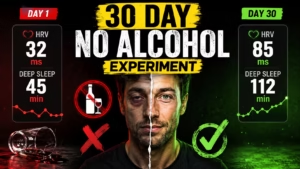
Drinking alcohol also messes with your sleep. It might make you fall asleep quicker, but it hurts your REM sleep and heart rate. Your app shows how your choices affect your recovery score the next day.
| Lifestyle Factor | Impact on Sleep | Recommended Action |
|---|---|---|
| Late-night meals | Reduces Deep Sleep | Finish eating 3 hours before bed |
| Alcohol intake | Suppresses REM sleep | Limit consumption to early evening |
| Caffeine | Increases sleep latency | Avoid after 2:00 PM |
Stress Management Techniques for Deeper Sleep
High stress during the day can keep you awake at night. If your Oura Ring shows a high resting heart rate, it’s time for calming rituals. Box breathing or meditation can calm you down before bed.
“True recovery is not just about the hours spent in bed, but the quality of the physiological state you bring to your sleep.”
— Wellness Expert
Being consistent is key to managing stress. A wind-down routine like reading or stretching tells your body it’s time to sleep. These small changes can lead to better sleep and higher readiness scores over time.
Conclusion
Improving your sleep starts with the right tools. The Oura Ring is a powerful tool for anyone wanting to understand their body. It gives you precise insights into your sleep and recovery.
True wellness comes from trying new things with your habits. Even small changes can make a big difference in how you feel. Your device shows you what works best for you.
Keep working towards better health by checking out our sleep tips. Learn more about recovery metrics in our guide. Use these resources to find a lasting way to improve your sleep and energy.
FAQ
How does Oura Ring track sleep stages and what technology does it use?
Oura Ring uses infrared sensors to get detailed biometric data from your finger. It tracks heart rate, breathing, and movement. This info is then analyzed by a smart algorithm.The ring can tell when you move from one sleep stage to another. It categorizes your sleep into light, deep, and REM stages.
How accurate is Oura Ring deep sleep and stage detection compared to clinical tests?
Oura Ring is often compared to the gold standard in sleep studies, polysomnography (PSG). It’s known for precise sleep data analysis. A snug fit and consistent contact are key for accurate data at home.
How does Oura Ring track sleep cycles and their architecture?
Oura Ring watches for 90-minute patterns in your sleep. It shows how you move through a healthy sleep cycle. Keeping these cycles consistent is important for your brain and body.
How does Oura Ring measure deep sleep specially?
Oura Ring looks for signs like a slow heart rate and little movement to measure deep sleep. This stage is key for recovery and hormone balance. The app lets you see how much time you spend in deep sleep.
How does Oura track REM sleep and why is it important?
Oura tracks REM sleep by looking at heart rate and breathing changes. REM sleep is important for memory and emotions. The app explains the role of REM sleep in keeping your mind sharp.
Can I see a sleep stages chart and sleep stages percentages in the app?
Yes, the Oura Ring app shows a sleep stages chart every morning. It breaks down your sleep into percentages of light, deep, and REM stages. This helps you understand your sleep quality.
How can I use Oura Ring sleep insights to improve sleep hygiene?
Use your Readiness Score to set a better bedtime. Oura Ring data helps you see how things like room temperature affect your sleep. Over time, you can develop better sleep habits.
What are the benefits of Oura Ring sleep tracking over other wearables?
Oura Ring is comfortable and captures detailed sleep data. It’s better than wrist-worn devices for tracking sleep stages. This makes it easier to wear every night.
Why is my Oura Ring sleep tracking showing inconsistent data?
Check if the ring fits well. It needs to stay in contact with your skin for accurate tracking. If it’s too loose, it might miss data. Make sure the sensors are on the palm side.
How does Oura track sleep when I am sick or stressed?
Oura Ring notices signs of stress, like a fast heart rate. It might suggest using Rest Mode. This helps you focus on recovery and getting enough deep sleep.