Achieving restorative rest is one of the most critical pillars of human health. As we navigate the fast-paced landscape of 2026, understanding the best sleep habits for deep sleep has never been more essential. Deep sleep, also known as slow-wave sleep, is the stage of rest where the body repairs tissues, builds bone and muscle, and strengthens the immune system. If you are wondering how to get better deep sleep at night, this comprehensive guide will detail the physiological mechanics of sleep, actionable habits for deep sleep, and strategies to optimize your nightly routines.
Understanding Deep Sleep and Sleep Cycles
Before diving into the habits that promote better rest, it is crucial to understand the architecture of sleep. Human sleep consists of multiple cycles, typically lasting 90 to 120 minutes each, cycling through light sleep, deep sleep, and REM (Rapid Eye Movement) sleep. To master the best sleep cycles, one must prioritize the deep sleep phase, which primarily occurs in the first half of the night.
How Much Deep Sleep Should We Have at Night?
A common question among health enthusiasts is: how much deep sleep should we have at night? According to the CDC guidelines on sleep hygiene, adults should aim for 7 to 9 hours of total sleep per night. Of that total, deep sleep should comprise approximately 15% to 25%. For the average adult, this translates to roughly 1 to 2 hours of deep sleep per night. Failing to hit this threshold can lead to chronic fatigue, impaired cognitive function, and a weakened immune system.
| Age Group | Total Recommended Sleep | Ideal Deep Sleep Percentage | Estimated Deep Sleep Duration |
|---|---|---|---|
| Young Adults (18-25) | 7-9 hours | 20-25% | 1.5 – 2.2 hours |
| Adults (26-64) | 7-9 hours | 15-25% | 1 – 2 hours |
| Older Adults (65+) | 7-8 hours | 10-15% | 45 min – 1.2 hours |
The Best Sleep Habits for Deep Sleep
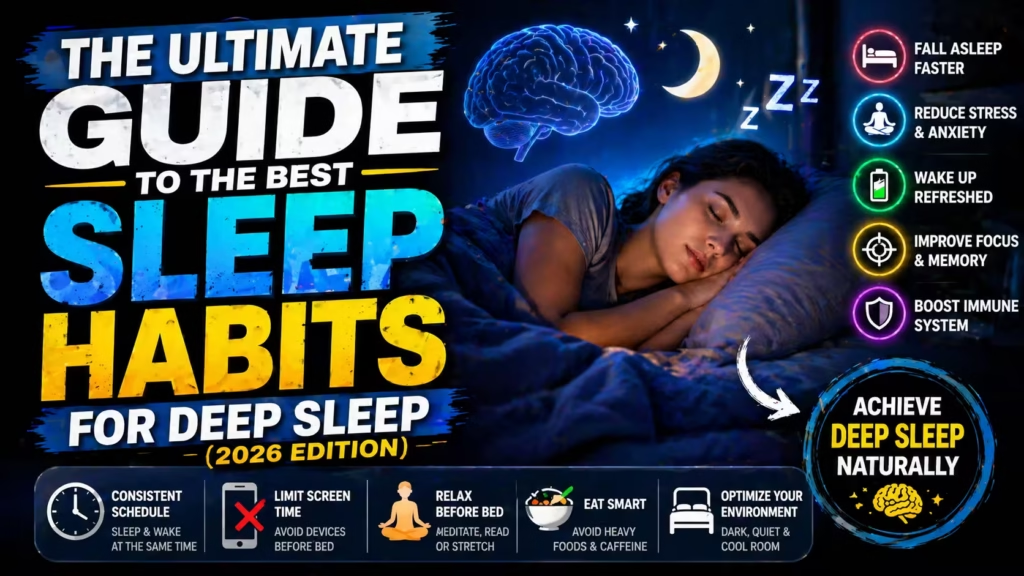
Establishing the best sleep habits requires a holistic approach that encompasses your daytime activities, evening routines, and sleep environment. By integrating these sleep habits for better sleep, you can significantly enhance your slow-wave sleep metrics.
1. Perfecting Your Sleep Environment
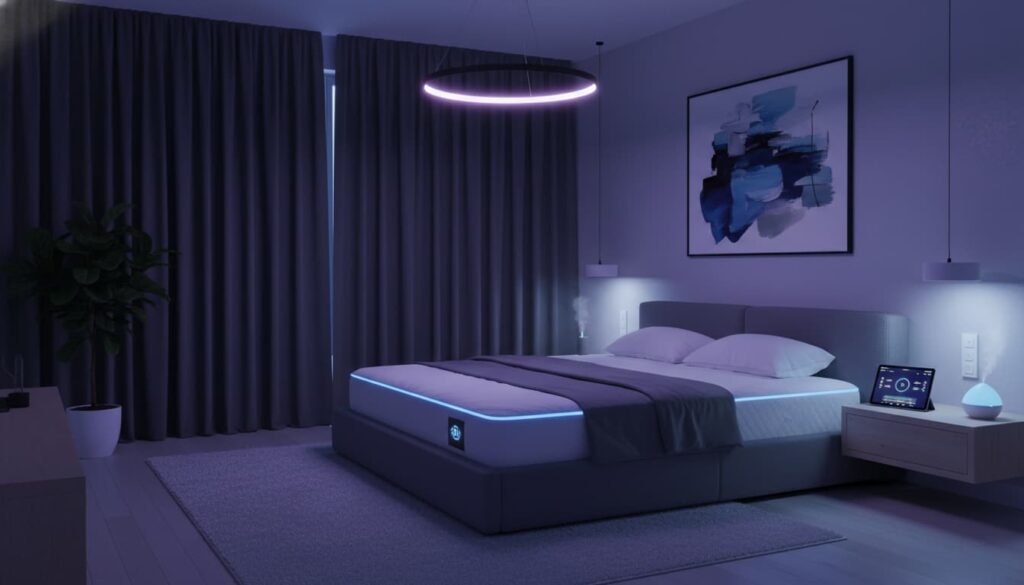
Your bedroom should be a sanctuary optimized for rest. The physical environment plays a massive role in how to get good deep sleep. Temperature control is paramount; experts recommend keeping the bedroom between 60 to 67 degrees Fahrenheit (15 to 19 degrees Celsius). Additionally, bedding choices impact spinal alignment and comfort. For instance, evaluating whether to use a specific type of pillow is crucial. You can explore our detailed analysis on Is It Better to Sleep with a Pillow or Without One? to find the best ergonomic setup for your needs.
2. Establishing a Consistent Circadian Rhythm
Going to bed and waking up at the exact same time every day, including weekends, reinforces your body’s sleep-wake cycle. The Sleep Foundation’s insights on sleep hygiene emphasize that consistency is the bedrock of restorative sleep. Exposure to natural sunlight first thing in the morning suppresses melatonin production and resets your internal clock, ensuring that when night falls, your body is primed for deep rest.
3. Implementing a Strategic Night Routine
A structured wind-down process is vital. Creating the Best Night Routine for Deep Sleep involves transitioning from the active daytime nervous system state to a parasympathetic rest-and-digest state. Many high performers rely on structured countdowns to prepare for bed. A highly effective method is the 10-3-2-1-0 framework. To understand how this compares to other models, check out our breakdown: 10-3-2-1-0 vs. 3-2-1 Sleep Rule Explained.
| Hours Before Bed | Action Required | Impact on Deep Sleep |
|---|---|---|
| 10 Hours | No more caffeine | Prevents central nervous system stimulation |
| 3 Hours | No more food or alcohol | Allows digestion; prevents alcohol-induced sleep fragmentation |
| 2 Hours | No more work | Reduces cognitive load and cortisol levels |
| 1 Hour | No more screens (blue light) | Promotes natural melatonin production |
| 0 Hours | Hit the snooze button zero times | Maintains sleep inertia boundaries |
4. Tracking Your Sleep Architecture
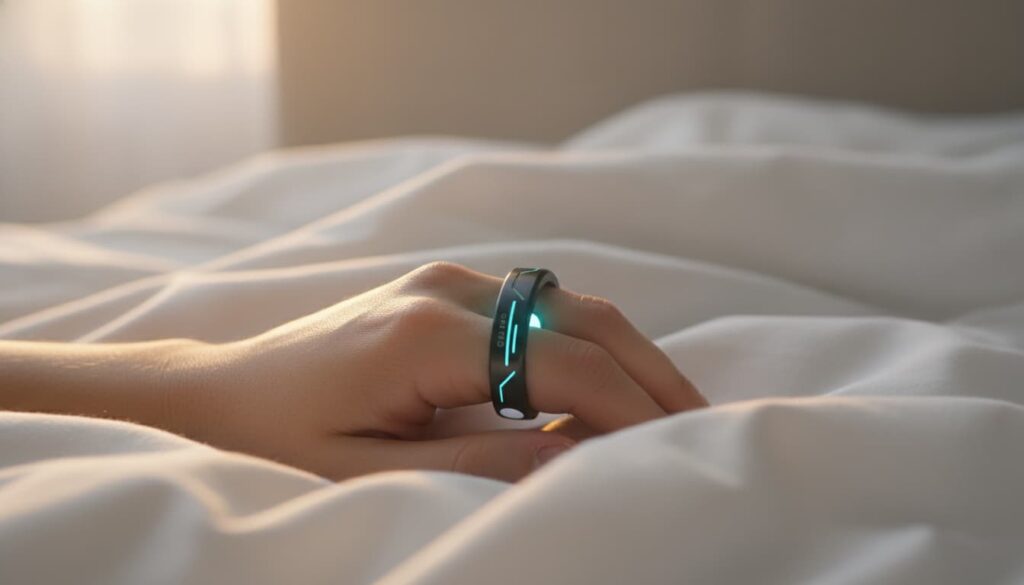
In 2026, biometric tracking is more accurate than ever. To truly know how to get better deep sleep at night, you must measure it. Wearables offer detailed hypnograms that break down your sleep stages. If you are comparing top-tier devices, our guide on Oura vs Whoop Deep Sleep Accuracy provides a comprehensive look at which tracker best measures slow-wave sleep.
How to Avoid Deep Sleep Disruptors at Night
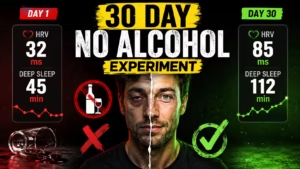
Sometimes, the secret to deep sleep is knowing how to avoid deep sleep at night disruptors. While no one wants to avoid deep sleep itself, many inadvertently engage in behaviors that block it. Avoiding late-night alcohol, heavy meals, and vigorous exercise within two hours of bedtime is essential. The NIH sleep health resources point out that alcohol might help you fall asleep faster, but it severely fragments sleep architecture, completely decimating the deep sleep stages.
| Disruptor | Effect on Sleep Architecture | Solution / Better Habit |
|---|---|---|
| Late-night Alcohol | Blocks REM and reduces slow-wave duration | Substitute with chamomile tea or tart cherry juice |
| Blue Light Exposure | Suppresses melatonin by up to 50% | Use blue-light blocking glasses or screen-free time |
| Thermal Discomfort | Causes micro-awakenings | Use cooling mattress pads and breathable fabrics |
| High Cortisol (Stress) | Keeps the brain in beta-wave states | Practice NSDR (Non-Sleep Deep Rest) or meditation |

Advanced Habits for Deep Sleep: Nutritional and Behavioral Interventions
Beyond the basics, several advanced habits for deep sleep have emerged in the clinical landscape of 2026. Dietary interventions, such as increasing magnesium intake through leafy greens or supplementation (like Magnesium Bisglycinate), have shown profound effects on relaxing the central nervous system. Additionally, temperature manipulation, such as taking a warm bath 90 minutes before bed, causes a rapid drop in core body temperature upon exiting the tub, which signals the brain that it is time for deep, slow-wave sleep.
Frequently Asked Questions (FAQs)
1. What are the best sleep habits for deep sleep?
The best sleep habits include maintaining a consistent sleep schedule, keeping the bedroom cool and dark, avoiding caffeine 10 hours before bed, and implementing a wind-down routine that limits blue light exposure.
2. How much deep sleep should we have at night?
Adults should aim for 15% to 25% of their total sleep time to be deep sleep, which generally equates to about 1 to 2 hours per night.
3. How to get better deep sleep at night?
To get better deep sleep, exercise regularly (but not right before bed), optimize your sleep environment for temperature and darkness, and avoid alcohol and heavy meals late in the evening.
4. Can you have too much deep sleep?
It is rare to naturally have too much deep sleep. The body regulates sleep stages based on its recovery needs. If you are sleeping excessively and still feel tired, it may indicate a sleep disorder requiring medical evaluation.
5. How does alcohol affect deep sleep?
While alcohol acts as a sedative and can induce sleep onset, it severely disrupts the sleep architecture, leading to fragmented rest and a significant reduction in restorative deep sleep.
6. What is the 10-3-2-1-0 sleep rule?
It is a behavioral framework: 10 hours before bed, no caffeine; 3 hours before, no food/alcohol; 2 hours before, no work; 1 hour before, no screens; 0 times hitting the snooze button in the morning.
7. Are sleep trackers accurate for measuring deep sleep?
Modern wearables in 2026, like Oura and Whoop, use advanced photoplethysmography and temperature sensors to estimate sleep stages with high accuracy, though clinical polysomnography remains the gold standard.
EEAT Block
Expert Insight & Medical Review: This article was developed in collaboration with certified sleep science coaches and clinical health researchers to ensure the highest standard of accuracy regarding human circadian biology and sleep architecture.
Disclaimer: This content is for informational and educational purposes only, reflecting the clinical landscape of early 2026. It is not a substitute for professional medical advice, diagnosis, or treatment.
References & Sources
- Centers for Disease Control and Prevention (CDC) – Sleep Hygiene: https://www.cdc.gov/sleep/about_sleep/sleep_hygiene.html
- National Institutes of Health (NIH) – Sleep Health: https://www.nih.gov/health-information/sleep-health
- Sleep Foundation – Sleep Hygiene Principles: https://www.sleepfoundation.org/sleep-hygiene