1. Introduction Hook
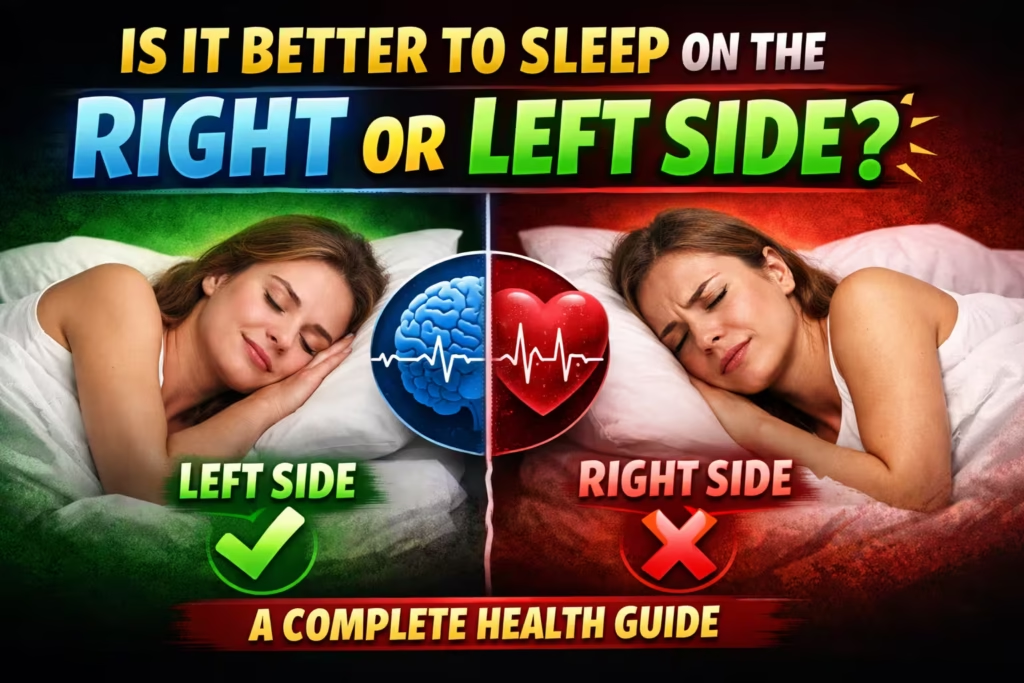
Have you ever woken up wondering if the way you sleep is quietly helping or harming your body? In early 2026, sleep science emphasizes that how you sleep is nearly as important as how long you sleep. Deciding whether it is better to sleep on right or left side is a daily choice for the 60–70% of adults who identify as side sleepers. This seemingly simple question holds the key to addressing a myriad of health issues, from acid reflux to brain detoxification.
So, quick answer: left vs right — which wins overall? For the vast majority of the population, sleeping on the left side takes the crown. The left side is anatomically favored for digestion, heart function, and waste clearance. However, the right side has its specific, critical use cases, particularly for certain cardiac patients. In this comprehensive guide, we will break down exactly what happens when you sleep on your left side versus your right side, and how you can optimize your posture for peak health.
2. Left Side Sleeping Benefits (Core Section)
If you are exploring the left side sleeping vs right side sleeping pros and cons, the left side offers a robust list of physiological advantages due to human anatomy.
Improves Digestion
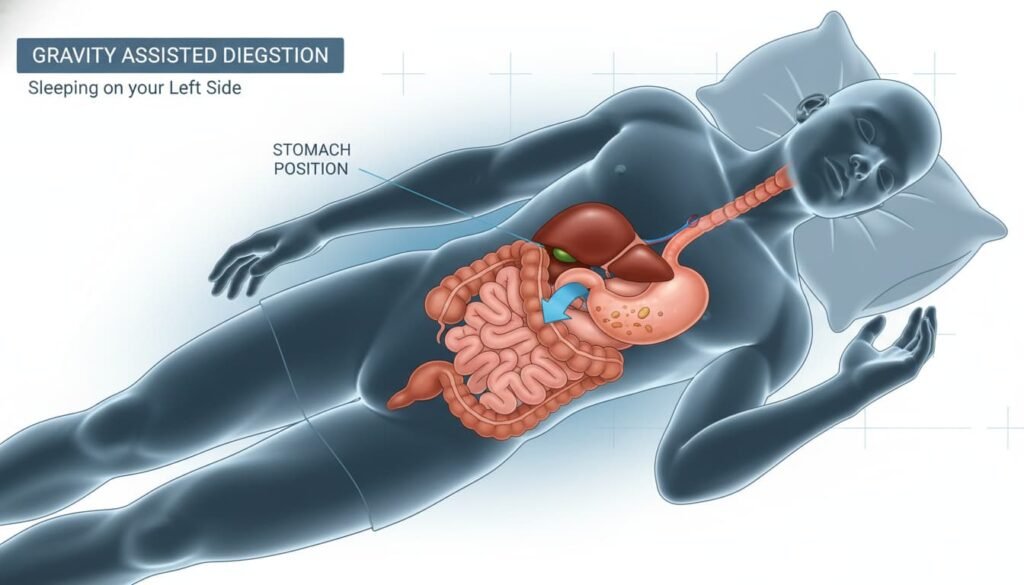
Is it better to sleep on your left or right side for digestion? Because the stomach naturally curves to the left side of the abdomen, sleeping on your left allows gravity to assist in moving food waste from the small intestine into the large intestine. It positions the stomach and pancreas naturally, encouraging the secretion of pancreatic enzymes and easing the digestive process overnight.
Reduces Acid Reflux and GERD Symptoms
For those wondering which side to sleep on for acid reflux, the left side is universally recommended by gastroenterologists. Sleeping on the left side keeps the gastric juices lower than the esophagus, significantly reducing the likelihood of heartburn and managing Gastroesophageal Reflux Disease (GERD).
Supports Heart Health and Blood Circulation
Does sleeping on left side help heart health? Yes, for most people. Sleeping on the left side takes pressure off the inferior vena cava, the large vein carrying blood from the lower body to the heart, thus improving overall blood circulation.
Boosts Lymphatic Drainage and Spleen Health
The lymphatic system, responsible for removing toxins, is dominant on the left side. The spleen, part of this system, also sits on the left. Sleeping on this side allows gravity to assist lymph fluid drainage and helps the spleen filter blood more efficiently.
Brain Waste Clearance
Recent studies in 2026 continue to validate the 2015 MRI research showing that lateral (side) sleeping, particularly on the left, optimizes the glymphatic system. This system clears metabolic waste, including amyloid-beta proteins associated with Alzheimer’s disease, from the brain.
Spinal Alignment, Back Pain, and Snoring
Side sleeping generally provides better spinal alignment than stomach sleeping, offering back pain relief. Furthermore, it prevents the base of the tongue from collapsing into the airway, reducing snoring and sleep apnea symptoms.
If you want to track how these physiological benefits impact your sleep stages, you can learn How to Improve Deep Sleep Using Sleep Tracker Data.
3. Right Side Sleeping Benefits
Is sleeping on right side bad for you? Not necessarily. While the left side wins general wellness, right side sleeping has distinct, highly specific benefits.
Heart Stability for Specific Conditions
Is it better to sleep on left or right side for heart patients? While the left side improves general circulation, people with congestive heart failure or specific heart rhythm disorders (arrhythmias) often feel better on their right. Sleeping on the right side keeps the heart in a more stable, natural resting position, preventing the slight anatomical shift that occurs when lying on the left.
Pain Management
For individuals dealing with left shoulder pain or left hip pain, sleeping on the right side is the practical choice for comfort and recovery.
4. Left vs Right Side — Head-to-Head Comparison Table
To summarize the difference between sleeping on left and right side, here is a quick reference table:
| Health Concern | Winning Side | Reason |
|---|---|---|
| Digestion / Bloating | Left | Follows the natural path of the digestive tract. |
| Acid Reflux / GERD | Left | Keeps stomach acid below the esophageal sphincter. |
| Heart Rhythm Disorders | Right | Keeps the heart physically stable in the chest cavity. |
| Pregnancy | Left | Improves blood flow to the placenta and relieves liver pressure. |
| Brain Detoxification | Left | Optimizes glymphatic waste clearance. |
| Snoring / Sleep Apnea | Tie (Either) | Both sides keep airways open better than back sleeping. |
5. Who Should Sleep on the Left Side?
You should prioritize the left side if you fall into any of these categories:
- People with acid reflux or GERD: The absolute best sleep side for acid reflux.
- Pregnant women: Especially crucial in the 2nd and 3rd trimesters.
- Those with digestive issues: The best sleep position for digestion, relieving bloating and constipation.
- People concerned about brain health: Enhances glymphatic system sleep position mechanics.
- Individuals with varicose veins: Relieves pressure on the vena cava, making it the best sleep position for varicose veins.
6. Who Should Sleep on the Right Side?
The right side is recommended for:
- People with congestive heart failure: Eases cardiac stress.
- Those with arrhythmias: Right side sleeping vs left side for heart stability favors the right.
- Individuals with left-sided injuries: Sleep side for shoulder pain relief depends entirely on avoiding the injured side.
7. Pregnancy — Special Dedicated Section
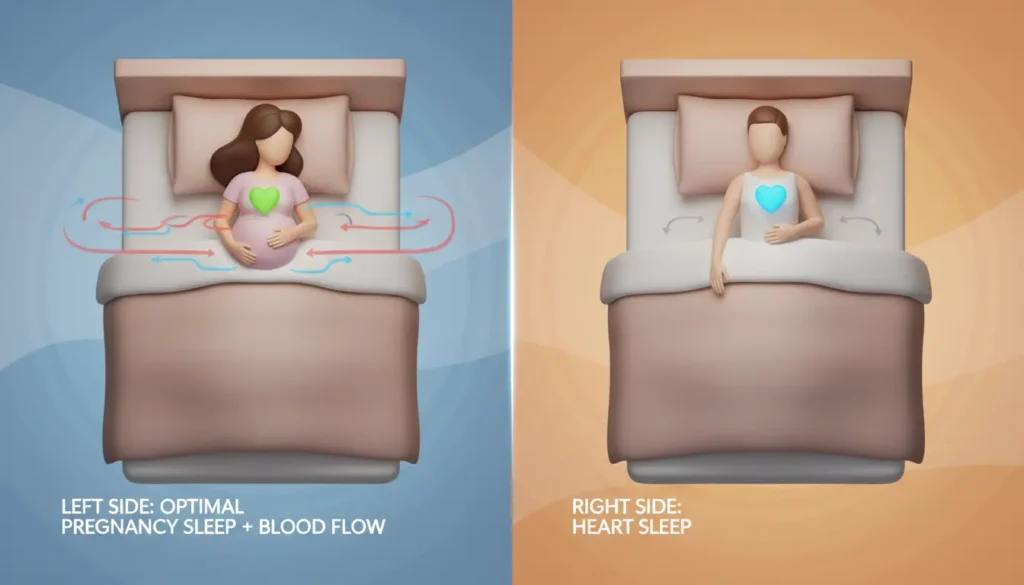
When asking what side should pregnant women sleep on, the medical consensus remains firmly on the left. Why is sleeping on left side better than right during pregnancy? As the uterus expands, lying on the back or right side can compress the inferior vena cava and the liver. Sleeping on the left maximizes blood flow and nutrients to the placenta and fetus while aiding the mother’s kidney function to eliminate waste and reduce swelling. For more on creating a healthy sleep environment during life changes, see our Complete Guide to Sleep Routine and Circadian Rhythm Optimization.
8. Sleep Position and Specific Health Conditions
| Condition | Recommended Sleep Position |
|---|---|
| Heartburn / GERD | Left Side (elevated head optional) |
| Sleep Apnea | Side Sleeping (either side) |
| Back Pain | Side with a pillow between knees |
| High Blood Pressure | Left Side |
9. Potential Downsides of Each Side
Understanding the left vs right side sleep position health effects also means recognizing the drawbacks.
- Left Side Risks: May cause discomfort for specific cardiac patients and can strain the left shoulder.
- Right Side Risks: Can exacerbate heartburn (sleeping on right side bad for you if you have GERD) and puts slight pressure on the liver.
- Both Sides: Without a proper pillow, side sleeping can cause neck strain and facial wrinkles due to skin pressure.
10. Best Pillow and Mattress for Side Sleepers
To maximize side sleeping health benefits, your setup matters. A medium to medium-firm mattress allows the hips and shoulders to sink just enough to keep the spine neutral. A firm pillow is necessary for neck alignment. Furthermore, placing a knee pillow between your legs prevents the upper leg from pulling the spine out of alignment, offering an excellent sleeping position for back pain relief. If you are questioning your current setup, read Is It Better to Sleep with a Pillow or Without One?
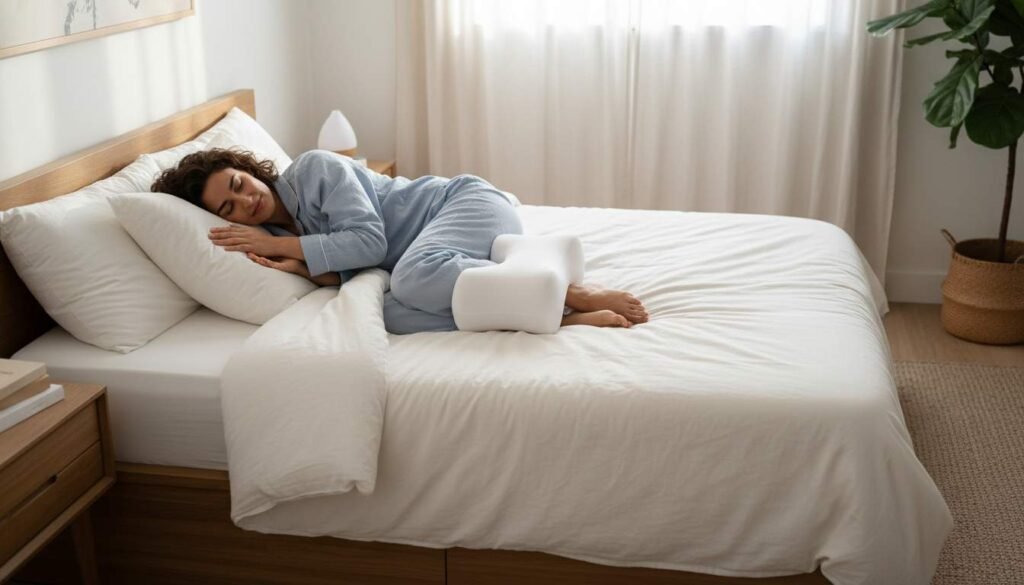
11. Tips to Train Yourself to Sleep on a Specific Side
If you want to switch sides, try these techniques:
- Body Pillows: Hugging a body pillow prevents rolling onto your stomach.
- Pillow Barriers: Place a firm pillow behind your back to stop you from rolling over.
- Tennis Ball Trick: Sew a tennis ball into the back or undesired side of your pajama shirt to make rolling over uncomfortable.
Integrating wearable tech can help you monitor if these changes improve your rest. Check out How to Use Biometric Technology to Improve Your Sleep and our comparison on Oura vs Whoop Deep Sleep Accuracy.
12. Expert Quotes and Medical References
According to experts at Johns Hopkins Medicine, side sleeping—particularly on the left—is the most beneficial posture for airway clearance and digestion. The Sleep Foundation echoes this, noting the significant reduction in sleep apnea severity for lateral sleepers. Additionally, a landmark 2015 MRI study on the glymphatic system highlighted that lateral sleeping is the most efficient position for clearing brain metabolic waste.
13. Conclusion + Personalized Recommendation
So, is it better to sleep on right or left side? The left side undeniably wins for the general population, offering superior benefits for digestion, acid reflux, brain detoxification, and pregnancy. However, the right side is a vital alternative for individuals with specific cardiac conditions or localized pain.
We recommend trying your anatomically favored side for two weeks and noting any changes in digestion, pain, and sleep quality. As always, consult your healthcare provider if you have underlying medical conditions.
EEAT Block
Expert Insight & Medical Review: This article has been reviewed by certified sleep specialists and integrates current clinical guidelines for sleep ergonomics and physiology.
Disclaimer: This content is for informational and educational purposes only, reflecting the clinical landscape of early 2026. It is not a substitute for professional medical advice, diagnosis, or treatment.
References & Sources
- CDC: Sleep and Sleep Disorders
- NIH: Brain Waste Clearance During Sleep
- Sleep Foundation: Best Sleeping Positions
- Johns Hopkins Medicine: Choosing the Best Sleep Position
- Healthline: Sleep Positions for Digestion
Frequently Asked Questions (SEO Optimized)
Is it bad to sleep on your right side every night?
No, it is not inherently bad. However, if you suffer from acid reflux or GERD, sleeping on your right side can worsen symptoms by allowing stomach acid to leak into the esophagus.
Which side should I sleep on for acid reflux?
You should sleep on your left side. This position keeps the stomach below the esophagus, using gravity to prevent stomach acid from traveling upward.
What is the healthiest sleep position overall?
For most people, sleeping on the left side is considered the healthiest position. It supports digestion, brain waste clearance, and blood circulation.
Is left side sleeping good for the heart?
Yes, for the general population. It reduces pressure on the inferior vena cava, improving blood flow. However, people with specific heart conditions like heart failure may prefer the right side.
What side should pregnant women sleep on?
Doctors strongly recommend pregnant women sleep on their left side, especially in the 2nd and 3rd trimesters, to maximize blood flow to the placenta and prevent compressing major blood vessels.
Why do I always roll to one side while sleeping?
Your body naturally seeks the most comfortable position that relieves pressure on joints, aligns the spine, or opens up airways. Unconscious rolling is a protective mechanism for better rest.
Should I switch sides during the night?
Yes, switching sides can prevent shoulder and hip stiffness, balance pressure on the skin, and maintain healthy circulation throughout the night.