
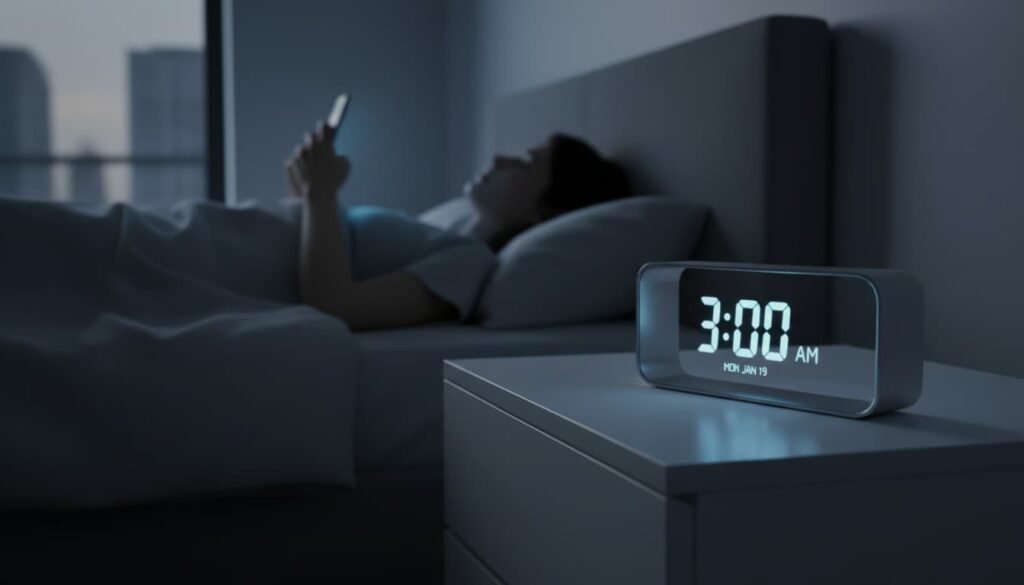
Have you recently found yourself staring at the ceiling at 3 AM, wondering, “Why is my sleep schedule broken?” You are not alone. In early 2026, millions of adults are struggling with an erratic internal clock. Modern lifestyles, constant connectivity, and high stress levels contribute significantly to irregular sleep patterns.
Understanding why your sleep schedule is suddenly broken requires a deep dive into circadian rhythms, lifestyle habits, and underlying physiological factors. This comprehensive guide will explore the myriad causes of a messed-up sleep routine and provide actionable, science-backed strategies to reset your biological clock.
The Biology Behind Your Broken Sleep Cycle
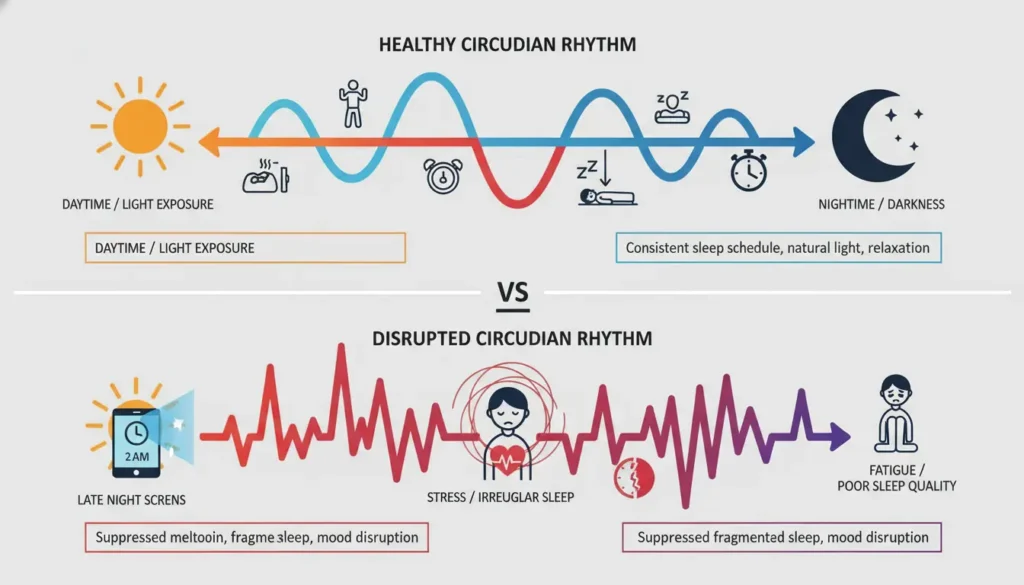
Your body operates on a 24-hour internal clock known as the circadian rhythm, which regulates the sleep-wake cycle. When this system falls out of sync with your environment, you experience a broken sleep schedule.
Circadian Rhythm Disruption
The primary driver of the circadian rhythm is light exposure. The suprachiasmatic nucleus (SCN) in your brain responds to light signals received through your eyes. When your circadian rhythm is disrupted, your body fails to produce melatonin at the right time, leading to difficulty falling asleep or waking up. If you are wondering why my body clock is off, light exposure—especially artificial light at night—is often the primary culprit.
Common Reasons for an Irregular Sleep Schedule
Answering the question, “Why is my sleep schedule messed up?” often involves looking at daily habits and external stressors. Here are the most prevalent causes of a disrupted sleep schedule in 2026.
1. Revenge Bedtime Procrastination
One of the leading causes of disrupted sleep schedule in modern times is revenge bedtime procrastination. This occurs when individuals who lack free time during the day delay sleep to engage in leisure activities, often late-night scrolling. This behavioral pattern significantly delays the onset of sleep, causing your bedtime to keep shifting.
2. Screen Time and Blue Light Exposure
The assertion that a sleep schedule is ruined by screens is backed by extensive research. Devices emit blue light, which mimics daylight and suppresses melatonin production. Late-night scrolling sleep issues are rampant, as social media algorithms are designed to keep users engaged. If social media is affecting sleep, establishing a “digital sunset” is crucial. You might consider adopting the 10-3-2-1-0 vs. 3-2-1 Sleep Rule Explained to structure your pre-sleep routine.
3. Stress and Anxiety
Stress ruining my sleep schedule is a common complaint. High cortisol levels from stress keep the body in a state of hyperarousal. Anxiety keeping me awake, combined with overthinking at night, creates a vicious cycle of insomnia. When your mind cannot power down, achieving deep, restorative sleep becomes nearly impossible.
4. Dietary Factors: Caffeine and Alcohol
Caffeine disrupting sleep schedule is well-documented. Consuming caffeine late in the day can delay the sleep phase. Similarly, while alcohol may help you fall asleep faster, alcohol ruining sleep quality is a significant issue, often causing fragmented sleep and early morning awakenings.
5. Inconsistent Bedtimes and Weekend Damage
Inconsistent bedtime consequences are severe. Going to bed at 10 PM on weekdays and 2 AM on weekends creates “social jet lag.” This weekend sleep schedule damage confuses your circadian rhythm, making Monday mornings particularly exhausting, leading you to wonder why I wake up tired every day.
Medical and Physiological Causes
Sometimes, the reasons for an irregular sleep schedule go beyond bad habits and require medical attention.
Delayed Sleep Phase Syndrome (DSPS)
Delayed sleep phase syndrome is a circadian rhythm sleep disorder where a person’s sleep-wake cycle is delayed by two or more hours compared to a conventional sleep schedule. Individuals with DSPS naturally prefer to go to bed very late and wake up late in the morning.
Shift Work Sleep Disorder
For those working non-traditional hours, shift work sleep disorder is a massive hurdle. Constantly changing shifts forces the body to sleep against its natural biological clock, leading to chronic fatigue and a permanently broken sleep schedule.
Hormonal Changes and Aging
Hormonal changes sleep schedule disruptions are common, particularly in women experiencing menopause or pregnancy. Additionally, aging and broken sleep often go hand-in-hand. As we age, the SCN degrades, leading to earlier sleep times and more fragmented sleep.
How Tracking Affects Sleep Awareness
In 2026, many individuals use wearable technology to understand their sleep architecture. Tracking devices can highlight irregular sleep patterns reasons. If you want to dive deeper into your sleep metrics, you can explore the Oura vs Whoop Deep Sleep Accuracy to understand how different devices measure sleep stages.
How to Fix a Broken Sleep Schedule
If you are desperate to know how to reset sleep schedule fast or how to fix messed up sleep routine, consistency is key. Here are proven strategies to get your circadian rhythm back on track.
1. Establish Strict Sleep Hygiene
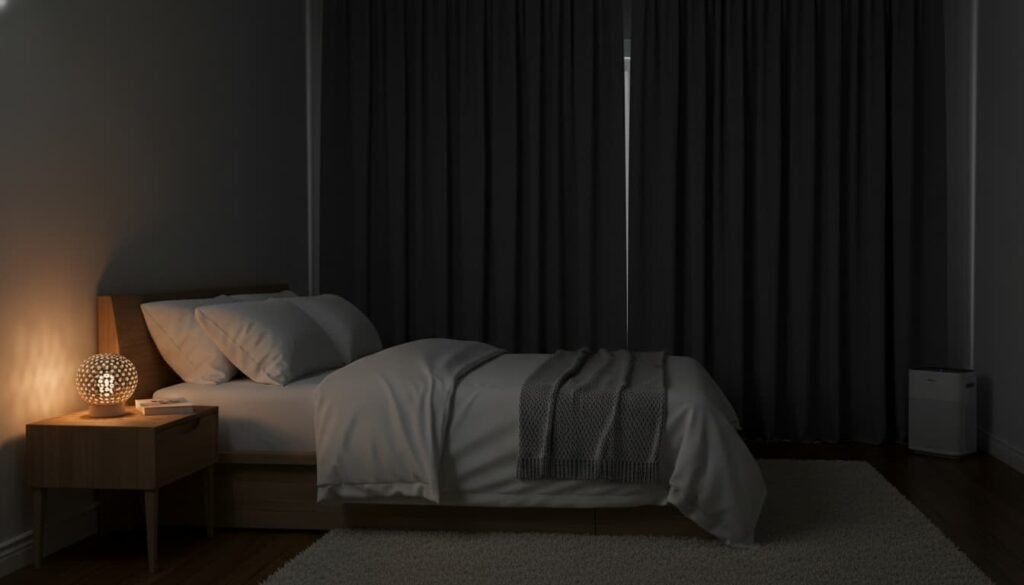
Poor sleep hygiene effects accumulate over time. Establishing a consistent wake-up time, even on weekends, anchors your circadian rhythm. Creating the Best Night Routine for Deep Sleep involves cooling the bedroom, eliminating light, and winding down with non-screen activities.
2. Optimize Light Exposure
Get natural sunlight in your eyes within 30-60 minutes of waking. This signals to your brain that it’s daytime, halting melatonin production and setting a timer for sleep later that night. Conversely, limit artificial light exposure 1-2 hours before bed.
3. Optimize Your Sleep Environment
Comfort is paramount. Ensure your mattress and pillows support your preferred sleep position. If you suffer from neck pain, you might read about Is It Better to Sleep with a Pillow or Without One? to optimize your alignment.
4. Manage Stress and Anxious Thoughts
If overthinking at night sleep problems are plaguing you, try a “brain dump”—writing down your worries before bed. Practices like mindfulness meditation or deep breathing can help lower heart rate and calm the nervous system.
Data and Comparisons
Common Causes of a Broken Sleep Schedule and Their Impact
| Cause | Mechanism of Disruption | Severity |
|---|---|---|
| Screen Time / Blue Light | Suppresses melatonin production, delaying sleep onset. | High |
| Caffeine Intake | Blocks adenosine receptors, preventing sleepiness. | Medium to High |
| Inconsistent Bedtimes | Causes social jet lag, confusing the internal clock. | High |
| Stress/Anxiety | Elevates cortisol, causing hyperarousal and preventing deep sleep. | High |
Time-to-Reset Estimates for Various Disruptions
| Type of Disruption | Estimated Time to Reset (with strict protocol) |
|---|---|
| Weekend Social Jet Lag | 2-3 Days |
| Mild Jet Lag (3-6 hour difference) | 3-5 Days |
| Revenge Bedtime Procrastination | 1-2 Weeks (requires behavioral change) |
| Shift Work Sleep Disorder | Ongoing management required |
The 10-3-2-1-0 Sleep Rule Summary
| Hours Before Bed | Action to Take |
|---|---|
| 10 Hours | No more caffeine. |
| 3 Hours | No more heavy meals or alcohol. |
| 2 Hours | No more work-related tasks. |
| 1 Hour | No more screens (phones, TV, tablets). |
| 0 | The number of times you hit snooze. |
Conclusion
Understanding why your sleep schedule is broken is the first step toward fixing it. Whether it is revenge bedtime procrastination, late-night screen time, or an underlying issue like delayed sleep phase syndrome, taking proactive steps in 2026 to improve sleep hygiene, manage stress, and align with natural light cycles can restore your circadian rhythm and improve your overall well-being.
Expert Insight & Medical Review
This article incorporates clinical insights regarding circadian rhythm science, sleep hygiene, and modern behavioral impacts on sleep architecture, accurate as of early 2026.
Disclaimer: This content is for informational and educational purposes only, reflecting the clinical landscape of early 2026. It is not a substitute for professional medical advice, diagnosis, or treatment. Always consult a healthcare provider for severe or persistent sleep issues.
References & Sources
- Centers for Disease Control and Prevention (CDC): Sleep and Sleep Disorders. https://www.cdc.gov/sleep/
- National Institutes of Health (NIH): Brain Basics: Understanding Sleep. https://www.ninds.nih.gov/health-information/public-education/brain-basics/brain-basics-understanding-sleep
- Sleep Foundation: Circadian Rhythm. https://www.sleepfoundation.org/circadian-rhythm
Frequently Asked Questions (SEO Optimized)
Why is my sleep schedule broken all of a sudden?
A sudden break in your sleep schedule is often triggered by acute stress, a sudden change in routine (like starting a new job or traveling), increased late-night screen time, or an illness disrupting your circadian rhythm.
How do I fix a severely messed up sleep schedule?
To fix a messed up sleep schedule, you need consistency. Wake up at the same time every day, expose yourself to morning sunlight immediately, limit caffeine after noon, and avoid screens for at least an hour before your target bedtime.
Why can’t I sleep at night but I’m tired all day?
This is often a sign of a disrupted circadian rhythm or high evening cortisol levels due to stress or anxiety. Your body’s internal clock is misaligned, causing sleepiness during the day and hyperarousal at night.
What is revenge bedtime procrastination?
Revenge bedtime procrastination is a psychological phenomenon where people who lack free time during the day delay sleep to reclaim personal time, usually by scrolling social media or watching TV, leading to sleep deprivation.
Can screen time ruin your sleep schedule?
Yes. Screens emit blue light which suppresses melatonin production (the sleep hormone). Late-night scrolling tricks your brain into thinking it is still daytime, pushing back your natural sleep onset.
How long does it take to reset a sleep schedule?
With strict adherence to sleep hygiene and consistent wake times, a minor sleep schedule disruption can be reset in 3 to 5 days. More severe disruptions, like shift work changes or delayed sleep phase syndrome, can take weeks.
Why does my bedtime keep shifting later?
If your bedtime keeps shifting later, you may be experiencing Delayed Sleep Phase Syndrome, or you may be continuously exposed to bright light and stimulating activities late in the evening, which pushes your circadian clock backward.