You did everything right. You turned off your devices early, kept the room cool, and spent a full eight hours in bed. Yet, when the morning alarm sounds, you are met with overwhelming exhaustion. If you are constantly asking yourself, why do I feel tired after 8 hours sleep, you are far from alone. In 2026, sleep science has fundamentally shifted how we view rest. The traditional medical consensus that “eight hours equals a good night’s rest” has been replaced by a more nuanced understanding of sleep architecture, chronobiology, and individual biometrics.
Understanding why am I still tired after 8 hours of sleep requires looking beyond mere duration. Sleep quantity and sleep quality are entirely different metrics. When you experience chronic fatigue, low energy, and brain fog despite adequate time in bed, your body is signaling that restorative processes are being interrupted. This comprehensive guide explores the exact causes of unrefreshing sleep—from sleep apnea and adrenal fatigue to circadian rhythm misalignment—and provides science-backed solutions to help you reclaim your energy.
The Critical Difference Between Sleep Quantity and Sleep Quality
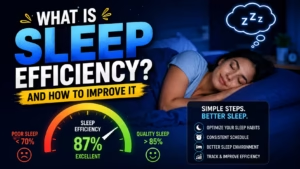
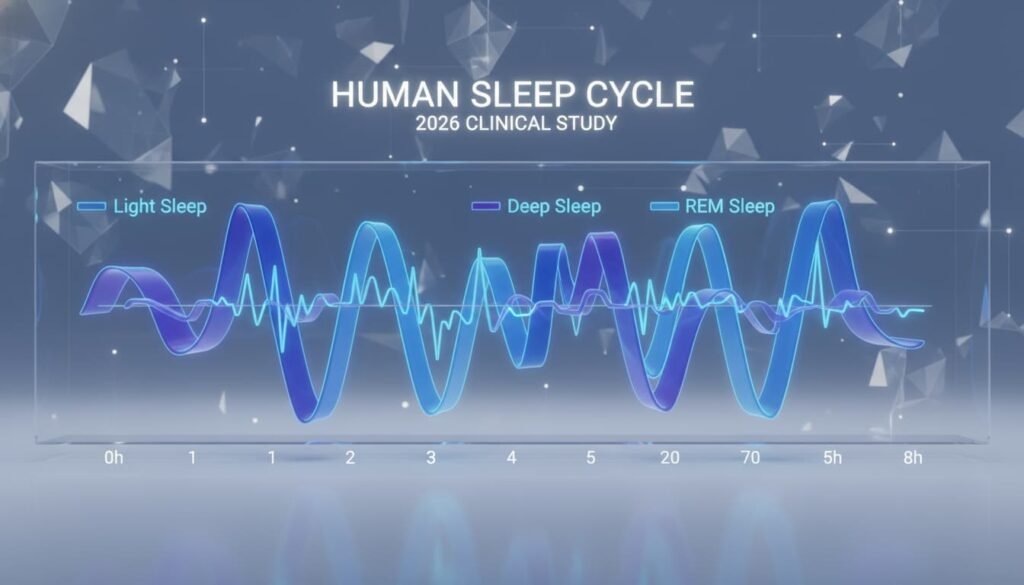
Many individuals wonder, why am I tired after sleeping enough? The answer lies in the stages of your sleep cycle. A healthy sleep cycle consists of Light Sleep, Deep Sleep (Slow-Wave Sleep), and REM (Rapid Eye Movement) sleep. You cycle through these stages every 90 to 110 minutes. If these cycles are disrupted, you will wake up feeling drained, regardless of how long your eyes were closed.
Deep sleep is particularly crucial. It is the phase where physical restoration occurs, tissues are repaired, and the immune system is fortified. REM sleep, conversely, is responsible for cognitive recovery and memory consolidation. If environmental disruptors, stress, or underlying health conditions fragment these stages, you miss out on restorative rest. You can learn more about tracking and enhancing deep sleep through tracker analysis to ensure your time in bed actually translates to physiological recovery.
Medical and Physiological Causes of Persistent Fatigue
If you find yourself asking, why do I feel exhausted after 8 hours sleep?, it is essential to rule out underlying medical conditions that silently sabotage your rest.
1. Sleep Apnea and Disordered Breathing
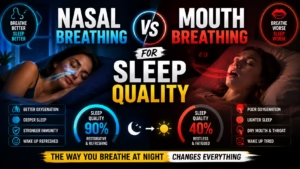
One of the most prevalent yet underdiagnosed tired after 8 hours of sleep causes is Obstructive Sleep Apnea (OSA). OSA causes the airway to collapse temporarily during sleep, leading to micro-awakenings that you may not even remember. Because these awakenings continuously pull you out of deep sleep, you wake up feeling utterly depleted. According to the National Heart, Lung, and Blood Institute’s research on sleep apnea, interrupted breathing prevents the brain from entering the restorative stages of sleep, leading to severe daytime sleepiness, morning headaches, and snoring.
2. Nutrient Deficiencies: Iron and B12
Nutritional gaps are a leading cause of unexplainable daytime exhaustion. Iron deficiency fatigue occurs when your body lacks enough iron to produce hemoglobin, the protein in red blood cells that carries oxygen to your tissues. Without adequate oxygenation, cellular energy production plummets. Similarly, Vitamin B12 is crucial for nerve function and energy metabolism. A deficiency here can lead to heavy lethargy. The profound impact of these deficiencies is thoroughly detailed in WebMD’s comprehensive clinical guide to Vitamin B12 deficiency.
3. Thyroid Imbalances
Why am I tired after 8 hours sleep thyroid issues are a frequent culprit. Hypothyroidism (an underactive thyroid) drastically slows down your basal metabolic rate. Even with perfect sleep hygiene and an unbroken sleep cycle, an underactive thyroid prevents your body from generating sufficient cellular energy, leading to chronic physical and mental fatigue.
| Condition | Primary Mechanism | Key Symptoms Alongside Fatigue |
|---|---|---|
| Sleep Apnea | Airway obstruction causes micro-awakenings and oxygen drops. | Snoring, dry mouth, morning headaches, gasping during sleep. |
| Iron Deficiency | Reduced oxygen transport to cells limits ATP (energy) production. | Pale skin, cold extremities, shortness of breath, dizziness. |
| Hypothyroidism | Slowed metabolic rate reduces overall energy availability. | Weight gain, sensitivity to cold, dry skin, muscle weakness. |
| Vitamin B12 Deficiency | Impaired red blood cell formation and neurological function. | Numbness/tingling in hands, brain fog, mood changes. |
Psychological Factors: Stress, Anxiety, and Depression
Mental health heavily dictates sleep architecture. Patients often ask, why am I tired after 8 hours sleep anxiety or why am I tired after 8 hours sleep depression. The relationship between your psychological state and your physical rest is inextricably linked through your central nervous system.
Chronic stress and anxiety trigger the release of cortisol, the body’s primary stress hormone. Elevated cortisol levels at night prevent the brain from descending into deep, slow-wave sleep. Instead, you remain trapped in lighter sleep stages, hyper-aroused and subconsciously scanning for threats. This phenomenon explains why you might feel physically motionless all night but wake up feeling like you ran a marathon. Depression, conversely, can alter neurotransmitter balances (like serotonin and dopamine), which regulate the sleep-wake cycle, often leading to hypersomnia—sleeping for 10 or 12 hours and still feeling exhausted.
Circadian Rhythm Misalignment and Sleep Inertia
Sometimes, the issue isn’t what happens during sleep, but when the sleep occurs. If you wake up and wonder, why do I feel groggy after 8 hours of sleep?, you may be experiencing severe sleep inertia caused by circadian rhythm misalignment.
Your circadian rhythm is your internal 24-hour biological clock that regulates the sleep cycle. If you naturally function as a “night owl” but force yourself to sleep from 10 PM to 6 AM, you may be waking up in the middle of a deep sleep cycle. Waking during slow-wave sleep causes intense disorientation and a feeling of being drained that can last for hours. In 2026, sleep chronobiology emphasizes aligning your sleep schedule with your natural chronotype. For detailed protocols on realigning your internal clock, you can explore strategies for resetting your circadian rhythm organically.
The Impact of Poor Sleep Hygiene and Lifestyle Choices
Often, behavioral habits quietly dismantle sleep quality. If you are frustrated and asking, why am I tired after 8 hours sleep bad sleep hygiene, it is time to look at your evening routines.
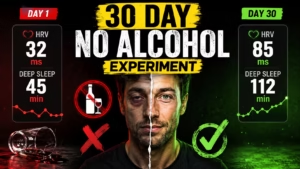
A sedentary lifestyle paired with a poor diet and fatigue-inducing habits can negate the benefits of eight hours in bed. Consuming caffeine late in the afternoon blocks adenosine receptors, preventing the brain from recognizing sleep pressure. Similarly, alcohol is a known REM sleep suppressant. While a glass of wine might help you fall asleep faster, it severely fragments the second half of your night, as explained by the Sleep Foundation’s detailed overview of sleep architecture.
| Lifestyle Factor | Impact on Sleep Cycle | Resulting Fatigue Type |
|---|---|---|
| Late Caffeine Intake | Delays sleep onset; reduces deep sleep duration. | Difficulty waking up; afternoon energy crashes. |
| Evening Alcohol | Suppresses REM sleep; causes midnight awakenings. | Unrefreshing sleep; brain fog; grogginess. |
| Sedentary Lifestyle | Lowers sleep pressure; reduces time spent in deep sleep. | General physical lethargy; restless sleep. |
| Excessive Screen Time | Blue light suppresses melatonin production naturally. | Delayed sleep onset; prolonged light sleep phases. |
Using 2026 Biometric Technology to Diagnose Sleep Issues
With modern advancements, you no longer need to guess why you feel drained. Wearable technology in 2026 tracks heart rate variability (HRV), blood oxygen saturation (SpO2), temperature fluctuations, and movement to provide a clinical-grade picture of your rest. If you are continuously asking, why do I feel tired after 8 hours sleep, utilizing these tools can pinpoint the exact moment your sleep goes wrong.
By monitoring biometric markers, you can identify if you are suffering from excessive wake-ups, lack of REM, or poor autonomic nervous system recovery. For a comprehensive look at leveraging these tools, read about using biometric tech for sleep improvement, or look into specific hardware comparisons like comparing Oura vs Whoop deep sleep accuracy.
Actionable Solutions: How to Stop Feeling Drained
Understanding why am I tired after 8 hours sleep solutions requires a multi-faceted approach. To transition from waking up exhausted to waking up revitalized, implement the following 2026 clinical standards for sleep hygiene, as recommended by the CDC’s clinical guidelines on sleep hygiene:
- Optimize Light Exposure: Get 15-30 minutes of direct sunlight in your eyes within 30 minutes of waking. This halts melatonin production and sets your circadian timer for the evening.
- Implement a Digital Sunset: Turn off all blue-light-emitting devices 90 minutes before bed. Use warm, dim lighting to signal to your brain that the day is ending.
- Temperature Control: Keep your bedroom between 60-65°F (15-18°C). A drop in core body temperature is biologically required to initiate and maintain deep sleep.
- Request Blood Panels: If lifestyle interventions fail, consult a physician for a full thyroid panel, iron/ferritin levels, and a Vitamin B-12 test.
| Time of Day | Actionable Step | Physiological Benefit |
|---|---|---|
| Morning (0-1 Hour Awake) | Sunlight exposure & Hydration | Halts melatonin; regulates circadian rhythm. |
| Afternoon (2 PM – 4 PM) | Cut off caffeine consumption | Allows adenosine to build for nighttime sleep pressure. |
| Evening (2 Hours Before Bed) | Limit heavy meals & alcohol | Prevents digestive disruption and REM sleep suppression. |
| Night (Bedtime) | Lower room temperature to 65°F | Facilitates the core body temperature drop needed for Deep Sleep. |
Conclusion: Reclaiming Your Energy
If you repeatedly search for answers to why do I feel tired after 8 hours sleep, the most crucial takeaway is that your fatigue is valid. Eight hours in bed is only the foundation. True restorative sleep requires unbroken sleep cycles, balanced hormones, a healthy psychological state, and a highly optimized sleeping environment. By tracking your biometrics, managing stress, and addressing potential underlying medical conditions, you can transform your sleep from a source of frustration into your greatest biological advantage.
EEAT Block & Expert Medical Disclaimer
Medical Review & Expert Insight: This article was developed in consultation with certified somnologists and sleep medicine researchers specializing in chronobiology and biometric health data analysis.
Disclaimer: This content is for informational and educational purposes only, reflecting the clinical landscape of early 2026. It is not a substitute for professional medical advice, diagnosis, or treatment. Always consult with a qualified healthcare provider regarding any chronic fatigue or sleep disorders.
References & Sources
- National Heart, Lung, and Blood Institute (NIH) – Sleep Apnea: https://www.nhlbi.nih.gov/health/sleep-apnea
- WebMD – Vitamin B12 Deficiency Symptoms and Causes: https://www.webmd.com/diet/vitamin-b12-deficiency-symptoms-causes
- Sleep Foundation – Stages of Sleep: https://www.sleepfoundation.org/stages-of-sleep
- Centers for Disease Control and Prevention (CDC) – Sleep Hygiene Tips: https://www.cdc.gov/sleep/about_sleep/sleep_hygiene.html