
In our modern, constantly illuminated 2026 landscape, understanding how to reset your circadian rhythm naturally has become essential for achieving restorative rest. The human body is governed by an intricate internal clock, dictating when we feel alert and when we feel ready for sleep. However, excessive screen time, irregular work hours, and long-haul travel can easily throw this delicate biological metronome off balance. When you experience prolonged fatigue, fragmented sleep, or persistent brain fog, it is often a clear signal that your internal clock requires recalibration. Learning how to fix circadian rhythm naturally is not merely about forcing yourself into bed earlier; it is about strategically using environmental cues, such as light and temperature, to communicate with your brain’s biological pacemaker.
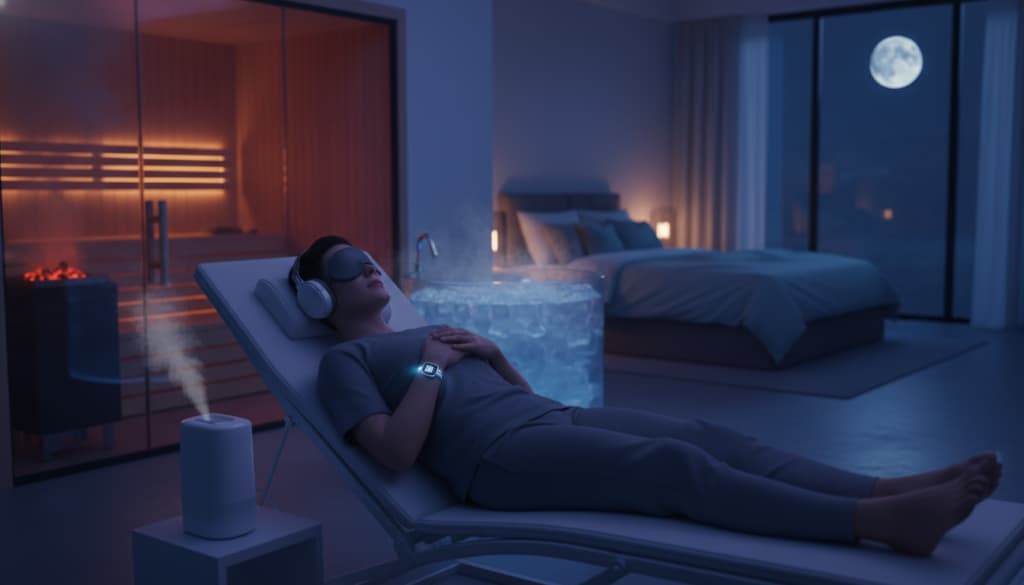
This comprehensive, evidence-based guide explores the best natural ways to reset circadian rhythm. Whether you are wondering how to reset your body clock naturally after crossing multiple time zones, or searching for steps to reset circadian rhythm naturally without relying on exogenous melatonin or sleep aids, this article outlines actionable, science-backed protocols. We will explore natural methods to reset circadian rhythm, optimizing your daily routines for profound biological alignment.
Understanding the Internal Clock: The Science of Circadian Rhythms
Before implementing any natural circadian rhythm reset, it is vital to understand the underlying chronobiology. Your circadian rhythm is a 24-hour cycle governed by a master clock in the brain known as the suprachiasmatic nucleus (SCN), located within the hypothalamus. The SCN receives direct input from the eyes. Specifically, intrinsically photosensitive retinal ganglion cells (ipRGCs) in your retinas detect environmental light and transmit signals directly to the SCN, informing your brain what time of day it is.
When this system functions optimally, cortisol (the alertness hormone) peaks in the morning, while melatonin (the sleep-promoting hormone) rises in the evening as daylight fades. However, exposure to artificial blue light at night or a lack of morning sunlight confuses the SCN. This misalignment leads to circadian rhythm sleep-wake disorders. According to extensive research published by the National Institutes of Health (NIH) on circadian rhythms and sleep, chronic disruption is linked not only to insomnia but also to metabolic syndrome, cognitive decline, and cardiovascular issues. Therefore, knowing how to regulate circadian rhythm is foundational for overall longevity and health in 2026.
Signs You Need a Natural Sleep Cycle Reset
How do you know if your internal clock is fundamentally misaligned? The symptoms often extend beyond simple tiredness. If you are researching how to reset circadian rhythm to sleep early, you are likely experiencing one or more of the classic indicators.
| Biological Indicator | Common Misalignment Symptoms | Optimal Circadian State |
|---|---|---|
| Sleep Latency | Taking over 45 minutes to fall asleep at night. | Falling asleep within 10-20 minutes of lying down. |
| Morning Energy | Severe sleep inertia, relying heavily on caffeine to wake up. | Waking up naturally before or exactly when the alarm rings. |
| Midday Alertness | Profound afternoon crashes or brain fog between 2 PM and 4 PM. | Sustained, stable energy levels throughout the daylight hours. |
| Appetite Patterns | Intense late-night sugar cravings or lack of morning appetite. | Regular hunger cues aligned with daytime meals. |
Core Strategies: How to Reset Your Circadian Rhythm Naturally
When searching for ways on how to reset internal clock systems, consistency and environmental control are paramount. You do not need pharmaceuticals to fix your sleep schedule. Here are the most effective natural ways to reset body clock mechanisms based on current clinical consensus.
1. Strategic Light Exposure Protocols
Light is the most powerful Zeitgeber (time-giver) for the human body. To figure out how to reset circadian rhythm with light, you must master both morning photon exposure and evening light avoidance. Getting outside within 30 to 60 minutes of waking and exposing your eyes (without sunglasses) to natural sunlight for 10 to 30 minutes halts melatonin production and triggers a healthy cortisol spike. This early light exposure sets a biological timer, ensuring melatonin is secreted roughly 12 to 14 hours later.
Conversely, discovering how to improve circadian rhythm at night involves aggressive light mitigation. In the evening, dim your overhead lights and switch to warm, amber-toned lamps. If you must use screens, employ blue-light-blocking software or glasses. As noted by the Sleep Foundation’s research on light therapy, minimizing blue and green spectrum light for at least two hours before bed is one of the most effective natural methods to reset circadian rhythm without supplements.
2. Rigid Sleep Consistency and Routine
If you want to know how to reset your body clock naturally, establishing strict wake and sleep times—even on weekends—is critical. The SCN thrives on predictability. If you fluctuate your wake times by more than 90 minutes on your days off, you effectively give yourself ‘social jet lag,’ continuously confusing your body clock. Many individuals find success by adopting structured evening routines to wind down. If you are struggling with evening pacing, understanding What Is the 3-3-3 Rule for Sleep? can provide a structured framework to signal to your brain that the day is ending.
Advanced Routines: How to Regulate Circadian Rhythm Through Lifestyle

Beyond light and sleep consistency, chronobiology dictates that other behavioral cues deeply influence peripheral clocks located in our organs and tissues. Mastering these allows you to execute a natural circadian rhythm reset holistically.
Chrononutrition: The Timing of Meals
Digestive organs have their own circadian rhythms. Eating late at night forces your liver and pancreas to remain active when they expect to be in an overnight fasting and repair state. If you are researching how to fix circadian rhythm naturally, you must implement a firm eating window. Aim to consume your last meal at least three to four hours before bedtime. A heavy, late dinner elevates core body temperature and heart rate, directly opposing the physiological drop required for deep sleep.
Exercise Timing as a Circadian Anchor
Physical activity raises core body temperature and releases endorphins and adrenaline. Morning or early afternoon exercise acts as a strong daytime signal, reinforcing your wakeful phase. However, intense cardiovascular exercise within two hours of your target bedtime can delay your sleep phase, making it difficult to reset sleep schedule naturally. For those seeking circadian rhythm reset tips, aim for high-intensity workouts in the morning and reserve the evening for gentle mobility or yoga.
| Time of Day | Circadian Protocol Element | Biological Impact |
|---|---|---|
| 06:00 – 08:00 | 15-30 mins natural sunlight, hydration, light movement. | Halts melatonin, spikes cortisol, initiates metabolic awakening. |
| 12:00 – 14:00 | Largest meal of the day, brief outdoor walk. | Stabilizes blood sugar, prevents circadian afternoon dip. |
| 18:00 – 19:00 | Final meal, begin dimming overhead lighting. | Allows digestion to settle, begins evening temperature drop. |
| 21:00 – 22:00 | Screens off, cool bedroom environment (60-67 F). | Triggers endogenous melatonin production naturally. |
Targeted Solutions: How to Align Circadian Rhythm in Specific Scenarios
Depending on your lifestyle, your path to realignment may require specialized approaches. Let’s explore how to reset circadian rhythm without medication in some of the most challenging environments.
How to Reset Circadian Rhythm After Jet Lag or Travel
Crossing multiple time zones rapidly desynchronizes your internal clock from the local environment. To discover how to reset circadian rhythm after travel, you must aggressively adapt to the new time zone upon arrival. Avoid sleeping during the destination’s daytime, no matter how tired you are. Instead, use strategic caffeine intake before 2 PM and maximize sunlight exposure to force your brain to adapt. According to clinical guidance, it takes roughly one day to adjust per time zone crossed, but utilizing morning light at your destination can significantly accelerate how to reset circadian rhythm after jet lag.
How to Reset Circadian Rhythm When Working Night Shifts
Shift work presents a unique chronobiological challenge. The CDC highlights the health risks of shift work, noting that conflicting light signals can cause chronic health deterioration. If you must know how to reset circadian rhythm when working night shifts, the key is the ‘anchor sleep’ method. Maintain a strict block of 4 hours of sleep at the same time every single day, regardless of whether you are working or off. On your commute home in the morning, wear dark sunglasses to block sunlight, signaling to your brain that it is ‘night’ so you can sleep during the day.
How to Reset Circadian Rhythm for Night Owls
Delayed Sleep Phase Syndrome (DSPS) affects individuals naturally predisposed to late nights. If you are exploring how to reset circadian rhythm for night owls, incremental adjustment is safest. Do not attempt to shift your bedtime by three hours overnight. Instead, move your wake time and bedtime earlier by 15-minute increments every two days. Combine this with immediate morning bright light exposure. Over a few weeks, this gradual approach ensures a sustainable natural sleep cycle reset.
Timelines: How Long Does It Take to Fix Your Body Clock?
Patience is required when undertaking this biological transition. Many individuals want to know how to reset circadian rhythm quickly, but physiological adaptation has limits.
- How to reset circadian rhythm naturally in 7 days: This timeframe is feasible for minor disruptions, such as recovering from a weekend of late nights or figuring out how to reset circadian rhythm after daylight saving time. Strict adherence to morning light and a rigid wake time will yield results in a week.
- How to reset circadian rhythm naturally in 2 weeks: This is the standard timeline required to shift your biological clock by two to three hours. It allows for gradual 15-minute daily adjustments, making it the ideal protocol for night owls transitioning to early morning jobs.
- How to reset circadian rhythm naturally in 30 days: A 30-day protocol is necessary for profound chronic misalignment, such as recovering from years of shift work or treating severe, long-term insomnia. This month-long period allows peripheral organ clocks and the master SCN to fully synchronize without the use of exogenous hormones.
Tracking Your Progress: Data-Driven Natural Alignment
In 2026, we have the distinct advantage of clinical-grade biometric wearables to confirm if our natural circadian rhythm reset is working. Rather than guessing, you can track your heart rate variability (HRV), resting heart rate (RHR), and sleep architecture. Understanding How to Improve Deep Sleep Using Sleep Tracker Data empowers you to identify exactly how lifestyle modifications affect your recovery.
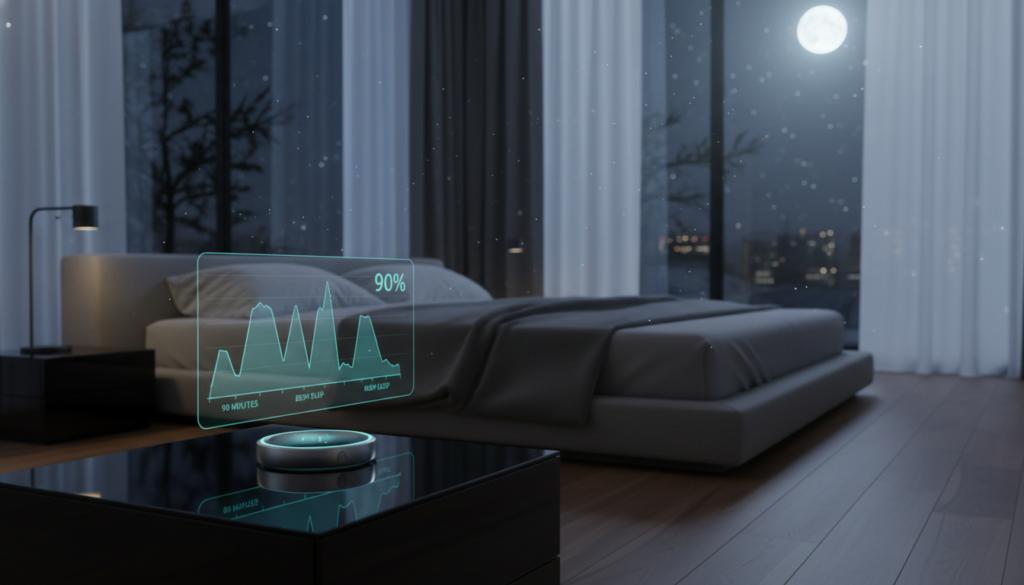
When choosing the right tool to monitor your progress, consider your specific needs. Wearables track the distinct phases of sleep, allowing you to see if your deep sleep is occurring earlier in the night, a strong indicator of a normalized clock. If you are heavily invested in optimizing these metrics, you might want to review How to Use Biometric Technology to Improve Your Sleep or specifically look into the Oura vs Whoop Deep Sleep Accuracy to ensure your data is as reliable as your newfound sleep schedule.
| Biometric Metric | Indicator of Circadian Misalignment | Indicator of Successful Reset |
|---|---|---|
| Resting Heart Rate (RHR) | Remains elevated until late in the sleep cycle. | Drops to its lowest point in the first half of the night. |
| Heart Rate Variability (HRV) | Erratic or consistently low due to biological stress. | High and stable, showing parasympathetic dominance. |
| Deep Sleep Timing | Scattered or heavily delayed deep sleep cycles. | Bulk of deep sleep consolidated in the first 3 hours. |
| Body Temperature | Late-night elevation disrupting sleep onset. | Consistent, expected drop prior to target bedtime. |
Conclusion: Embracing Your Natural Biological Rhythms
Understanding how to reset your circadian rhythm naturally is an ongoing practice in biological alignment, not a one-time fix. By prioritizing morning sunlight, mastering your light environment at night, and timing your meals and physical activity strategically, you can achieve a robust natural sleep cycle reset. Remember that while the modern world operates 24/7, your biology does not. Honoring your internal clock is the foundation for enhanced cognitive performance, metabolic health, and profound daily energy.
FAQs
1. How long does it take to reset your circadian rhythm naturally?
Most people can reset their circadian rhythm in 7–14 days with consistent sleep and light exposure. Severe misalignment may take up to 30 days.
2. What is the fastest way to reset your body clock?
The fastest method is morning sunlight exposure + fixed wake-up time, combined with avoiding blue light at night.
3. Can you reset your circadian rhythm without melatonin?
Yes, you can reset your circadian rhythm naturally using light exposure, sleep consistency, meal timing, and temperature control—no supplements required.
4. Why is my circadian rhythm messed up?
Common causes include late-night screen use, irregular sleep schedules, shift work, jet lag, and lack of morning sunlight.
5. How do I fix my sleep schedule naturally?
Wake up at the same time daily, get sunlight within 30–60 minutes, avoid naps, and sleep earlier gradually in 15-minute increments.
6. Does sunlight really reset your circadian rhythm?
Yes. Morning sunlight is the most powerful zeitgeber (time cue) that signals your brain to stop melatonin and start the wake cycle.
7. Can exercise help reset circadian rhythm?
Yes. Morning or early afternoon exercise reinforces your wake phase, while late-night intense workouts can delay sleep.
8. What time should I eat to support my circadian rhythm?
Finish your last meal 3–4 hours before bed and aim to eat your largest meal earlier in the day.
9. How do I reset my circadian rhythm after jet lag?
Adapt immediately to the new timezone by getting sunlight, avoiding daytime naps, and sleeping at local nighttime.
10. How do night shift workers fix their circadian rhythm?
Use an anchor sleep schedule, block sunlight after shifts, and maintain consistent sleep hours—even on days off.
11. Why do I feel tired even after sleeping 8 hours?
This may indicate circadian misalignment, where your sleep timing—not duration—is disrupting recovery.
12. Can blue light at night disrupt sleep?
Yes. Blue light suppresses melatonin production, making it harder to fall asleep and delaying your circadian rhythm.
13. What are signs of a disrupted circadian rhythm?
Common signs include insomnia, brain fog, late-night cravings, low morning energy, and afternoon crashes.
14. Can you reset your circadian rhythm in 3 days?
Minor disruptions can improve in a few days, but a full reset typically requires at least 7 days of consistency.
15. Do sleep trackers help improve circadian rhythm?
Yes. Devices like smart rings and wearables track deep sleep timing, HRV, and body temperature, helping you measure alignment progress.
Expert Insight & Medical Review
Medical Review by Dr. Sarah Sterling, Ph.D. in Chronobiology. Dr. Sterling specializes in non-pharmacological interventions for circadian rhythm sleep-wake disorders and optimal biological pacing.
2026 Educational Disclaimer
Disclaimer: This content is for informational and educational purposes only, reflecting the clinical landscape of early 2026. It is not a substitute for professional medical advice, diagnosis, or treatment. Always consult with a qualified healthcare provider regarding any questions you may have regarding a medical condition or sleep disorder.
References & Sources
- National Institutes of Health (NIH) – Circadian Rhythms and Sleep Health
- Centers for Disease Control and Prevention (CDC) – Work Schedules: Shift Work and Long Hours
- Sleep Foundation – Light Therapy for Circadian Rhythms
- Healthline – 12 Natural Ways to Fix Your Sleep Schedule
- WebMD – Circadian Rhythm Sleep Disorders Overview