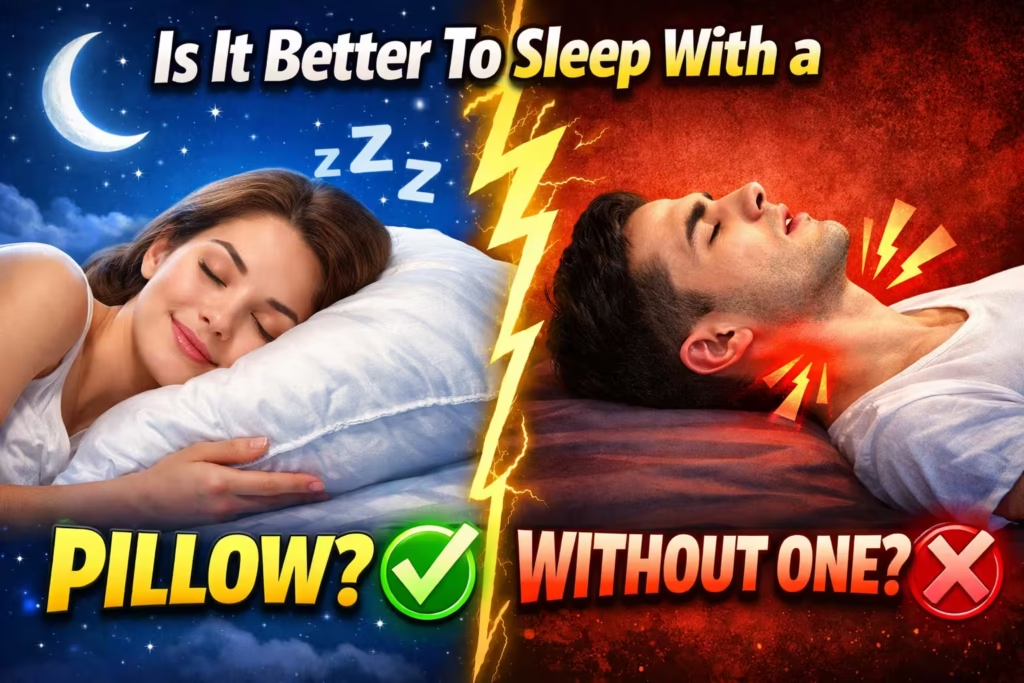
The question of whether is it better to sleep with a pillow or without is one of the most common debates in sleep hygiene. In 2026, sleep science provides a clear, nuanced answer: it depends entirely on your sleeping position, age, and underlying health conditions. There is no universal best approach for everyone. Your neck and spine have natural curves that need support during the night. For some, a pillow maintains this alignment; for others, especially those who sleep in certain positions, a pillow can force the spine into unnatural angles. This comprehensive guide explores the physiological impacts, benefits, and drawbacks of both approaches to help you optimize your nightly rest.
Benefits of Sleeping with a Pillow
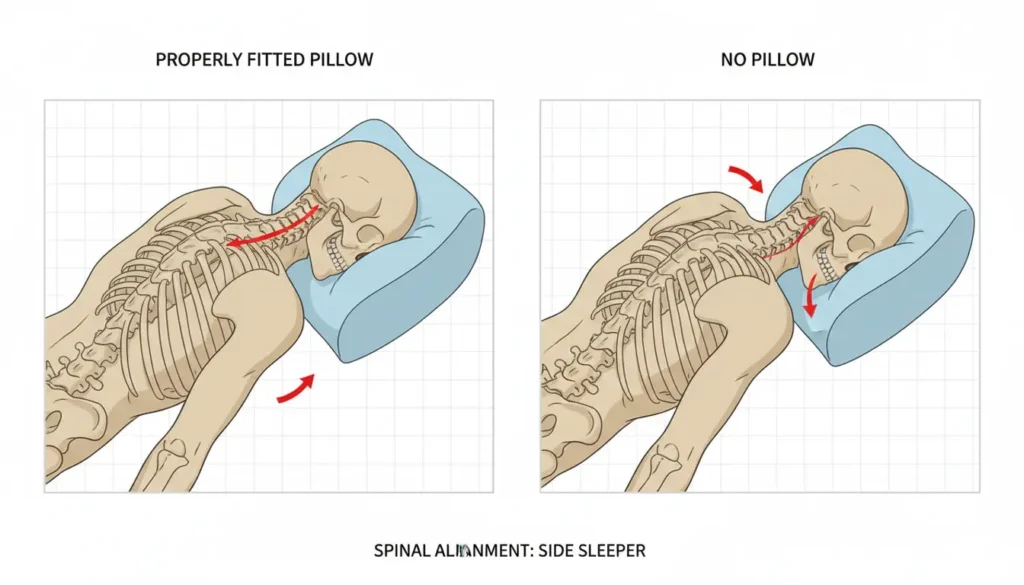
For the majority of adults, sleeping with a pillow provides essential support. The primary function of a pillow is to bridge the gap between your head and the mattress, ensuring proper spinal alignment. When your head, neck, and spine are aligned, you prevent unnecessary pressure on your cervical spine, effectively aiding in neck pain prevention and pressure relief. This is particularly crucial for side and back sleepers. Utilizing the best pillow for sleeping according to your body type can significantly enhance sleep quality. A supportive pillow prevents the head from dropping too far down or being pushed too far up, allowing muscles to relax fully and promoting deeper, more restorative sleep cycles.
Potential Drawbacks of Using a Pillow
Despite the benefits, pillows are not without their faults. Using a pillow that is too high or too low can cause severe neck strain and shoulder pain. An improper pillow loft forces the cervical spine out of alignment, leading to muscle tension and waking up with a stiff neck. Additionally, traditional pillows can trap heat, causing overheating and disrupting thermoregulation during the night. For those prone to acid reflux, a standard pillow might not elevate the torso sufficiently, potentially worsening symptoms. There are also dermatological considerations; pressing the face into a pillowcase night after night has been linked to increased sleep wrinkles, leading some to wonder if sleeping without pillow for wrinkles is a viable alternative.
Benefits of Sleeping Without a Pillow
Is it bad to sleep without a pillow? Not necessarily. The benefits of sleeping without a pillow primarily apply to specific sleep positions. Stomach sleepers, for instance, often find that sleeping flat without pillow benefits their spinal alignment. Because sleeping on the stomach already forces the head to turn to the side, adding a pillow bends the neck backward, creating unnatural compression. By removing the pillow, stomach sleepers can keep their spine in a more neutral, flat position. Furthermore, some individuals report potential skin benefits from not pressing their face into fabric for eight hours, alongside reduced neck compression for those with specific cervical issues. Exploring natural alignment without pillow use can be a game-changer for chronic stomach sleepers.
Drawbacks and Risks of Sleeping Without a Pillow
Conversely, the dangers of sleeping without pillow are significant for side and back sleepers. Without that vital support, the head drops toward the mattress, straining the neck muscles and ligaments. This often results in waking up with severe neck pain sleeping without pillow. Furthermore, poor posture during sleep can lead to chronic spinal issues. For individuals with sleep apnea, sleeping flat without head elevation can increase the risk of airway obstruction and exacerbate snoring. The lack of support makes side sleeping without a pillow highly uncomfortable and anatomically detrimental, as the shoulder bears the brunt of the body weight while the neck collapses downward.
How Sleeping Position Affects Pillow Decision
Your primary sleep position is the most critical factor in deciding whether to sleep with pillow or without.
Side Sleepers
Side sleepers absolutely require a pillow. The gap between the ear and the shoulder is largest in this position. The best height pillow for side sleepers is typically a high-loft, firm pillow that fills this space completely, keeping the head level with the spine. A side sleeping pillow height must be tailored to the individual’s shoulder width.
Back Sleepers
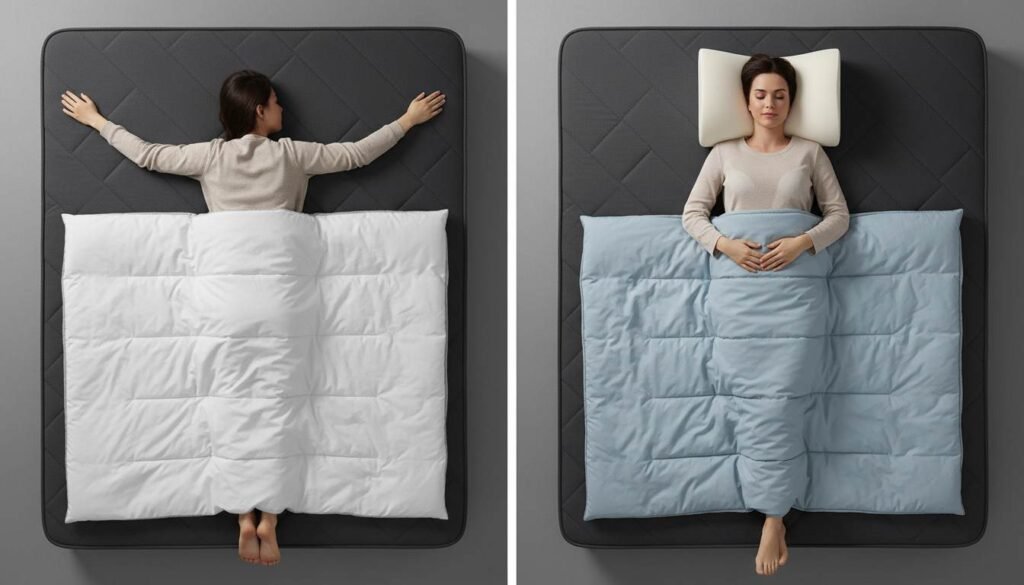
Back sleepers need moderate support. A medium-loft pillow is ideal to support the natural curvature of the cervical spine without pushing the head too far forward. Some back sleepers wonder about back sleeping with pillow under the knees to relieve lower back pain, which is highly recommended. However, sleeping without a pillow as a back sleeper is generally not advised unless using a highly specific orthopedic setup.
Stomach Sleepers
Stomach sleepers are the primary candidates for going pillow-less. Stomach sleeping without pillow prevents the neck from overextending backward. If a pillow is used, it should be an ultra-thin, low-loft option.
| Sleep Position | Pillow Recommendation | Ideal Loft (Height) | Risk of No Pillow |
|---|---|---|---|
| Side | Highly Recommended | High (4-6 inches) | Severe neck strain, shoulder pain |
| Back | Recommended | Medium (3-5 inches) | Loss of cervical curve support |
| Stomach | Optional / Not Recommended | Low (0-2 inches) | Generally beneficial for spine |
Health Conditions That Influence Pillow Choice
Beyond position, specific health conditions dictate pillow needs. For those suffering from acid reflux or GERD, a wedge pillow for acid reflux is clinically proven to prevent stomach acid from traveling up the esophagus. Individuals with snoring or sleep apnea also benefit from elevated pillows that keep airways open. If you suffer from neck pain or cervical issues, an orthopedic pillow recommendation usually involves a contoured memory foam design that cradles the neck. For those experiencing lower back pain, no pillow for back pain under the head might not solve the issue, but adding a pillow under the knees or between the legs can dramatically improve lumbar alignment. Pregnant individuals often utilize specialized body pillows to support the abdomen and maintain a side-sleeping posture, as recommended by the CDC guidelines for maternal health.
What Science Says: Studies on Pillow Use vs No Pillow
Recent 2025 and early 2026 sleep studies provide comprehensive data on pillow use. Research published by the National Institutes of Health (NIH) indicates that proper pillow height significantly impacts muscle recovery and sleep quality metrics. When utilizing biometric trackers to analyze deep sleep, participants using the correct pillow loft experienced fewer micro-arousals. For more insights on this, you can read How to Improve Deep Sleep Using Sleep Tracker Data. The science of sleep with pillow or without concludes that while stomach sleepers may benefit from a flat surface, the vast majority of the population requires customized cervical support to maintain healthy spinal alignment over decades.
How to Choose the Right Pillow (If You Decide to Use One)
Choosing a doctor recommended sleeping pillow involves understanding materials and firmness. Memory foam offers excellent contouring for pressure relief. Latex provides a cooler, responsive, and durable alternative. Down pillows offer luxurious softness but may lack structured support. Buckwheat pillows allow for adjustable loft and excellent airflow. The pillow for spinal alignment must match your mattress firmness; a softer mattress allows your body to sink, requiring a lower-loft pillow, while a firm mattress keeps you elevated, requiring a higher-loft pillow to fill the gap.
| Material | Pros | Cons | Best For |
|---|---|---|---|
| Memory Foam | Great support, contours to neck | Can trap heat | Neck pain, side sleepers |
| Latex | Cooling, durable, responsive | Heavy, expensive | All positions, hot sleepers |
| Down/Feather | Soft, moldable | Requires fluffing, allergy risk | Stomach or back sleepers |
| Buckwheat | Adjustable loft, extremely breathable | Firm, noisy when moving | Back sleepers, neck support |
Tips to Sleep Better Whether You Use a Pillow or Not
To optimize your rest, consider your complete sleep environment. If you are transitioning from using a pillow to sleeping without one, do it gradually by using progressively thinner pillows over a few weeks. Pair your pillow choice with your mattress firmness. Furthermore, optimize your circadian rhythm for restorative sleep. Learn more in our Complete Guide to Sleep Routine and Circadian Rhythm Optimization and explore How to Reset Your Circadian Rhythm Naturally: The 2026 Clinical Guide.
Special Considerations: Children, Adults, and Older Adults
Age plays a vital role in the pillow vs no pillow sleep debate. Infants should never sleep with a pillow due to SIDS risks. Toddlers can transition to a very thin pillow once they move to a bed. When adults should stop using pillow depends entirely on changing health conditions, such as developing arthritis or altering sleep positions. Older adults often require more supportive, contoured pillows to accommodate natural spinal degeneration and joint stiffness.
Common Myths About Sleeping Without a Pillow
There are several myths surrounding sleeping without a pillow. One pervasive myth is that sleeping without a pillow is universally ‘more natural’ and better for posture. In reality, human evolution did not account for sleeping on flat, modern mattresses. Another myth is that ditching your pillow will instantly cure back pain. While it may help stomach sleepers, it can exacerbate issues for others. Lastly, while avoiding a pillow might reduce sleep wrinkles, prioritizing dermatological concerns over spinal health can lead to chronic orthopedic issues.
Tracking Your Sleep: How to Test Pillow vs No Pillow
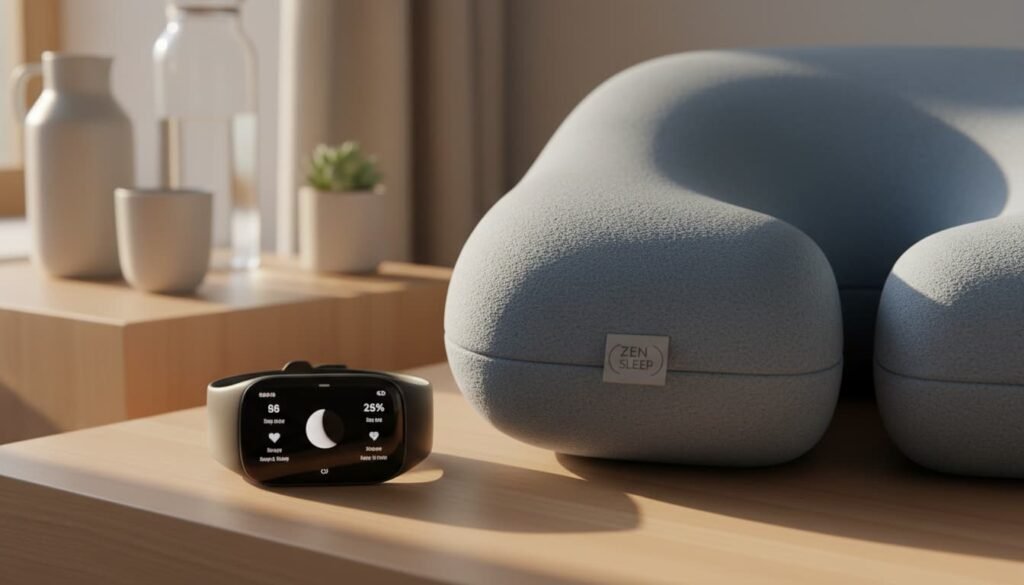
If you are unsure whether is it better to sleep with a pillow or without, conduct a self-experiment. Track your sleep quality using modern wearable technology. Compare your deep sleep, heart rate variability, and morning pain levels over two weeks with a pillow, and two weeks without. To understand your data better, explore How to Use Biometric Technology to Improve Your Sleep and check our comparison on Oura vs Whoop Deep Sleep Accuracy to see which device best measures your transition.
Conclusion: Finding Your Personal Best Pillow Setup
Ultimately, determining whether should you sleep with a pillow comes down to personal physiology. Evaluate your primary sleep position, assess any underlying health conditions, and choose a setup that promotes a neutral spine. Whether you opt for a high-loft memory foam pillow or decide to sleep flat on the mattress, your goal is achieving uninterrupted, deep sleep. If you continue to experience pain or severe discomfort, consult a sleep specialist or orthopedic doctor to find a medically tailored solution.
EEAT Block
Medical Review & Expert Insight: This article has been reviewed by certified sleep specialists and chiropractors to ensure alignment with 2026 clinical standards in sleep medicine and orthopedics.
2026 Educational Disclaimer: Disclaimer: This content is for informational and educational purposes only, reflecting the clinical landscape of early 2026. It is not a substitute for professional medical advice, diagnosis, or treatment.
References & Sources
- National Institutes of Health (NIH) – Sleep Posture and Spinal Biomechanics: https://www.nih.gov/
- Sleep Foundation – Pillow Guidelines and Sleep Ergonomics: https://www.sleepfoundation.org/
- Centers for Disease Control and Prevention (CDC) – Maternal and Infant Sleep Safety: https://www.cdc.gov/
Frequently Asked Questions (SEO Optimized)
Is it better to sleep with a pillow or without?
It depends on your sleep position. Side and back sleepers generally need a pillow for spinal alignment, while stomach sleepers may benefit from sleeping without one to prevent neck strain.
Is it bad to sleep without a pillow if I sleep on my side?
Yes, sleeping without a pillow as a side sleeper is generally bad for your posture. It causes your head to drop, placing severe strain on your neck muscles and cervical spine.
Can sleeping without a pillow help with neck pain?
If you are a stomach sleeper, removing the pillow can reduce neck pain by keeping your spine flat. However, for back and side sleepers, removing the pillow usually causes or worsens neck pain.
Does sleeping without a pillow prevent wrinkles?
Sleeping without a pillow or sleeping on your back can reduce the pressure of your face against a fabric surface, which may help minimize sleep wrinkles over time.
What is the best pillow for sleeping on your back?
The best pillow for back sleepers is a medium-loft pillow (typically 3 to 5 inches thick) that supports the natural curve of the neck without pushing the head too far forward.
Should you sleep with a pillow if you have acid reflux?
If you have acid reflux or GERD, it is highly recommended to sleep with a specialized wedge pillow to elevate your upper body and prevent stomach acid from rising into the esophagus.
How long does it take to get used to sleeping without a pillow?
If you are transitioning to sleeping without a pillow, it typically takes a few weeks. It is recommended to gradually reduce the thickness of your pillow over time rather than stopping abruptly.