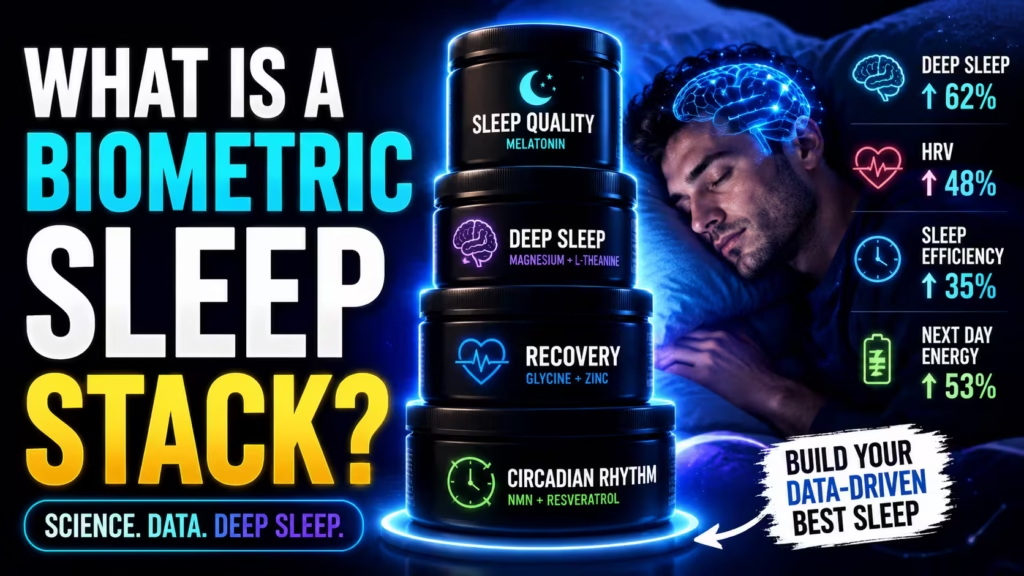
 I used to think “sleep tracking” was just a fancy way to feel guilty in the morning.
Like. Congrats. You slept 6 hours and 12 minutes. You already knew that because you feel like a broken toaster.
But in the last couple years, something changed. The hardware got better, the algorithms got less dumb, and the best part is you can finally build a sleep setup that actually helps you sleep. Not just measure your suffering.
So this is that. A real, practical blueprint for building a biometric sleep stack in 2026.
Not “buy everything.” Not “optimize your mitochondria” and disappear into the woods. Just the stuff that matters, how it fits together, and how to not get wrecked by data.
To enhance your understanding of how to construct this biometric sleep stack effectively, consider exploring some best sleep habits for deep sleep in 2026. These habits are essential in optimizing your sleep routine and achieving better rest!
What a biometric sleep stack even is (and why 2026 is different)
A biometric sleep stack is just a system.
Not a gadget.
A system that:
- measures your sleep and recovery with at least one reliable sensor
- makes your room easier to sleep in
- nudges your habits in the right direction
- tests interventions in a clean way (so you know what helped)
- turns feedback into decisions you can repeat
That’s it.
And 2026 is different because the stack is finally modular. You can mix and match:
- wearables like Oura, Whoop, Apple Watch, Garmin
- non wearable sensors like Withings Sleep Analyzer, Eight Sleep, radar based monitors, mattress sensors
- smart thermostats, smart lights, air quality monitors
- apps that pull your data together, or at least make it readable without spreadsheets
A few years ago, you’d buy one thing and get trapped in its ecosystem. Now you can build something that fits your life.
Also, the conversation has shifted from “sleep staging accuracy” to “what can you do with the data.” Because even if the stages are a bit noisy, the trends are gold.
The sleep metrics that actually matter
Let’s get something out of the way.
If you track 40 metrics, you’ll do nothing.
If you track 4, you can actually change your life.
Here are the ones I think matter for most people.
The core four
1) Total sleep time (TST)
How long you actually slept. Not time in bed. Real sleep.
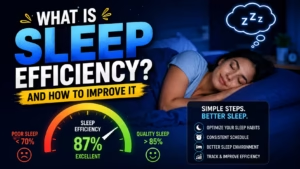
2) Sleep efficiency
Sleep time divided by time in bed. If you’re in bed for 8 hours but sleeping 6.5, this is where it shows.
3) Resting heart rate (RHR) trend
Not “today’s number” in isolation. The trend. When your baseline drifts up, your body is telling you something.
4) HRV trend (nighttime)
Again, trend. HRV is noisy. But when it’s suppressed for several days, something is off. Stress, alcohol, illness, under recovery, overtraining.
The supporting cast (useful, not mandatory)
Respiratory rate
Great for spotting illness early, or breathing issues.
Wake after sleep onset (WASO)
How fragmented your sleep is. If you keep waking up, you’ll feel it even with “enough hours.”
Skin temperature deviation
Helpful for illness and menstrual cycle tracking. Also room temp issues.
Sleep timing and consistency
Bedtime and wake time stability often matters more than people want to admit. Your circadian rhythm likes boring.
The one metric people obsess over too much
Sleep stages (REM, deep, light)
It’s not useless. But it’s the least actionable for most beginners.
If your REM is low, the fix usually isn’t “get more REM.” It’s stuff like: stop drinking, stop sleeping hot, manage stress, get enough total sleep, keep a consistent schedule.
Stages are often an outcome, not a lever.
To truly understand your sleep better and improve these metrics, it’s essential to dive deeper into the natural sleep cycle of humans.
The 5 layer sleep stack (the framework)
Here’s the framework I use. If you remember nothing else, remember this.
Layer 1: Sensor
Something that measures your sleep and recovery. Wearable or non wearable.
Layer 2: Environment
Your room. Temperature, light, noise, air. This is where the easy wins live.
Layer 3: Routine
Timing, caffeine, food, exercise, screens. The boring stuff. The stuff that works.
Layer 4: Interventions
Specific tools you test. Magnesium. Melatonin. CBT I. Cooling mattress. Mouth tape. Whatever. But tested one at a time.
Layer 5: Feedback loop
The process for reviewing data and making decisions without spiraling.
If you build in this order, it’s calm.
If you build backwards, starting with interventions, you’ll waste money and never know what worked.
Layer 1: The sensor (wearable vs non wearable)
This is the only layer where people try to “win.” They want the best tracker. The most accurate. The most scientific.
And honestly, you can do great with several options.
The question is not “which is the best.” It’s “which will you wear or use consistently.”
Wearables: pros and cons
Pros
- good HRV and heart rate trends
- easy to travel with
- good for linking sleep and training load
- can capture naps
Cons
- comfort issues for some people
- battery habits matter
- some people get obsessive
Good fits
- Oura Ring: comfortable, easy to wear, very sleep first
- Whoop: recovery first, great coaching vibe, subscription model
- Apple Watch: generalist, strong ecosystem, needs charging routine
- Garmin: training heavy, lots of data, not always “sleep first”
Non wearable sensors: pros and cons
Pros
- nothing on your body
- often better adherence because it’s passive
- some can detect snoring and breathing patterns
Cons
- can be sensitive to bed partners or pets
- travel becomes tricky
- some are expensive (especially active cooling systems)
Examples
- Withings Sleep Analyzer (under mattress): simple, passive, decent insights
- Eight Sleep (mattress cover with cooling/heating + tracking): environment + sensor combined
- Radar based bedside monitors: depends on the model, but the category is growing
What I recommend in 2026 (practically)
If you want the simplest and most likely to stick:
- Oura Ring for wearable
- Withings Sleep Analyzer for non wearable
- Eight Sleep if you also want to solve temperature and you’re willing to spend
You can build a great stack with any of those.

(Unsplash image. A calm bedroom vibe helps the point land.)
Layer 2: The environment (temperature, light, noise, air)
This is where you get the biggest ROI.
Because your body is trying to do something very specific at night: drop core temperature, reduce stimulation, and stay asleep.
If your room fights that, your tracker will basically just document the problem.
Temperature: the king lever
Most people sleep too hot.
And they don’t realize how much it wrecks them until they sleep cool for a week straight.
Targets (rough, not medical advice)
- room temp: often somewhere around the mid 60s F (18 to 20 C) is a sweet spot for many
- bedding: breathable. No heat trapping foam blankets that feel nice at 10 pm and evil at 3 am
If you wake up at the same time every night, sweaty or restless, treat it like a temperature problem first.
Options
- cheapest: fan + lighter bedding + adjust thermostat
- mid: breathable mattress topper, moisture wicking sheets
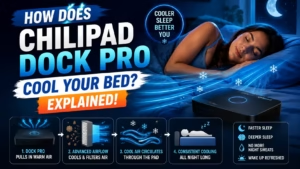
- high end: active cooling like Eight Sleep, BedJet, or similar
Light: the circadian steering wheel
Two sides here.
Night:
You want low, warm light. Your goal is simple. Don’t tell your brain it’s noon.
- dim lights 60 to 90 minutes before bed
- avoid overhead bright white lights
- use a lamp, warm bulbs, or smart lights set to warm tones
Morning:
You want bright light early. This is how you anchor your schedule.
- go outside within 30 minutes of waking if you can
- if not, bright indoor light helps
- light therapy lamps can be useful in winter or dark climates
Noise: reduce micro awakenings
Even if noise doesn’t fully wake you, it can fragment sleep.
- basic: earplugs
- better: white noise machine
- best: treat the source. Door gaps, street noise, rattling AC
If you share a wall with chaos, a white noise machine is a shockingly good purchase.
Air: the quiet factor
A stuffy room can mean:
- poor ventilation
- higher CO2
- dryness
- allergens
You don’t need to become an indoor air scientist.
But you can do a few simple things:
- crack a window (if safe and quiet)
- run an air purifier if allergies are a factor
- keep humidity in a comfortable range, especially in winter
Layer 3: The routine (timing, food, caffeine, screens)
This is the layer people try to skip because it’s not fun.
But your routine is literally the input to your sleep system.
And the sensor will not save you from your routine.
The 3 anchors that move everything
1) Wake time consistency
If you only fix one thing, fix this. Wake time sets your whole day.
Even on weekends. You can flex it a bit, but don’t time travel every Saturday.
2) Caffeine cutoff
Caffeine has a long half life. Some people can drink espresso at 6 pm and sleep fine. Many people think they can.
A good starting point: stop caffeine 8 to 10 hours before bed. Then test.
3) Food timing and alcohol honesty
Heavy late meals mess with sleep for a lot of people. So does alcohol.
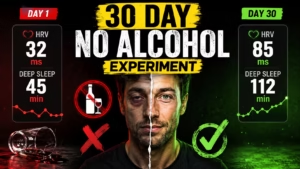
Alcohol is the classic. It can make you fall asleep faster, then your sleep gets shredded later.
If you want one clean experiment, do 7 nights with no alcohol and watch your HRV and resting heart rate.
Screens. Yeah. Screens.
You don’t have to go full monk.
But if you’re scrolling in bed, you’re training your brain that bed equals stimulation.
Try this instead:
- phone stays off the bed
- if you want to read, read on a Kindle or paper
- if you must use your phone, at least dim it, warm it, and keep it out of your face
A simple wind down routine that doesn’t feel like a spa ad
Here’s one that works for a lot of normal humans:
- 10 minutes: tidy your space, set clothes for tomorrow
- 5 minutes: write down tomorrow’s top 3 tasks (so your brain stops looping)
- 10 minutes: read something easy, low stakes
- lights low, room cool
That’s it. Not 17 supplements and a gratitude journal and a cold plunge at midnight.
Layer 4: The interventions (supplements, devices, behavioral tools)
This is the layer where people blow money.
Because it feels productive to buy stuff.
The rule I use: only add interventions after the sensor, environment, and routine are stable enough to interpret.
And then, test one thing at a time. For at least a week. Preferably two.
Behavioral interventions (the highest leverage)
If you have insomnia symptoms, chronic trouble falling asleep, or anxiety about sleep, the best intervention is often not a gadget.
It’s CBT I (Cognitive Behavioral Therapy for Insomnia).
Not sexy. Very effective.
If you suspect you have sleep apnea, do not “biohack” your way around it. Get evaluated. A lot of people are dragging themselves through life thinking they’re just stressed.
Supplements (common ones people try)
Not medical advice. Just the usual landscape.
Often used for relaxation. Some people love it. Some people get weird dreams or GI issues. Start low.
Low dose melatonin
Low dose. Seriously. Many people take way too much. It’s more of a clock shifter than a sedative.
Glycine
Some people report better sleep quality. It’s generally well tolerated.
L theanine
More calming than sedating. Good for racing mind.
If you’re stacking supplements like a chemistry set, pause. You want to know what did what.
Devices
Cooling and heating systems
This can be life changing if you run hot. It’s not subtle.
Useful for dark winters, circadian shifts, early wake ups.
White noise machine
Cheap, effective, boring. The perfect intervention.
Layer 5: The feedback loop (your “sleep OS”)
This is the layer nobody talks about.
But it’s the layer that decides if you become calmer and healthier, or just more anxious with charts.
Your sleep OS is basically:
- what you look at
- when you look at it
- what decisions you make from it
The two review windows
Daily (60 seconds)
Look at:
- total sleep time
- resting heart rate
- HRV trend indicator (up/down/stable)
Then ask:
- do I need to adjust today? lower training, nap, earlier bedtime, more hydration?
Weekly (10 minutes)
Look at trends:
- average sleep time
- consistency
- alcohol nights vs no alcohol nights
- bedtime drift
- temperature issues (wake ups, restlessness)
Make one change for next week.
The rule that saves your sanity
Do not try to fix your sleep based on one night.
One night is noise.
Three nights is a signal.
Seven nights is a pattern.
Three example stacks: budget, mid, “serious”
These aren’t the only ways. But they’re useful starting points.
A) Budget stack (simple, effective)
Sensor
- Use what you already have, maybe your phone plus a basic wearable if available
Environment
- fan
- blackout curtains or sleep mask
- earplugs or a basic white noise app
- lighter bedding
Routine
- fixed wake time
- caffeine cutoff
- no alcohol 5 nights a week (or whatever is realistic)
Interventions
- magnesium (optional, test it cleanly)
Feedback loop
- weekly review in Notes app
B) Mid stack (the sweet spot for most people)
Sensor
- Oura or Apple Watch (choose what you’ll stick with)
Environment
- white noise machine
- blackout curtains
- smart thermostat schedule
- air purifier if allergies
Routine
- morning light
- dim lights at night
- consistent wake time
Interventions
- one at a time, 14 day tests
Feedback loop
- weekly trend review, and a simple habit scorecard
C) Serious stack (for hot sleepers, athletes, high performers)
Sensor
- Oura or Whoop plus (optional) a non wearable for redundancy
Environment
- active cooling mattress cover (Eight Sleep or similar)
- smart lighting
- air quality monitoring and purification
Routine
- strict wake time
- training schedule aligned with recovery
- planned deload weeks
To achieve such a best night routine for deep sleep, here are some suggestions:
- Establish a Consistent Sleep Schedule: Go to bed and wake up at the same time every day.
- Create a Relaxing Bedtime Ritual: This could include activities such as reading a book, taking a warm bath, or practicing relaxation exercises.
- Make Your Sleep Environment Comfortable: Ensure your bedroom is conducive to sleep – cool, quiet, and dark.
- Limit Exposure to Screens Before Bed: The blue light emitted by phones and computers can interfere with your ability to fall asleep.
- Be Mindful of Food and Drink Before Bed: Avoid large meals, caffeine, and alcohol before bedtime.
- Get Plenty of Physical Activity During the Day: Regular physical activity can help you fall asleep faster and enjoy deeper sleep.

A 14 day setup plan you can follow
This is the part most people want.
A plan that doesn’t require a personality transplant.
Days 1 to 3: Baseline only
- wear your sensor (or set up your under mattress sensor)
- do not change anything yet
- just write down: caffeine timing, alcohol, bedtime, wake time
You’re collecting your “before” picture.
Days 4 to 7: Environment week
Pick two changes, not ten.
Good picks:
- cooler room
- blackout solution
- white noise
Keep routine the same, mostly.
Days 8 to 10: Routine anchor
Pick one:
- consistent wake time
- caffeine cutoff
- last meal earlier
Do not add supplements yet.
Days 11 to 14: One intervention test
Pick one intervention only.
Examples:
- magnesium glycinate
- 0.3 to 1 mg melatonin (if you’re using it for schedule shifting, not sedation)
- 10 minutes of reading instead of scrolling
Then compare to baseline.
If you do this cleanly, you’ll learn more in two weeks than most people learn in two years of random experimenting.
Common mistakes (and how to avoid them)
Mistake 1: buying the intervention before fixing the room
If your room is hot and bright, no supplement will solve that.
Mistake 2: “I slept bad so I’ll go to bed earlier”
This often backfires. If you’re not sleepy, you’ll lie there longer, build frustration, and train insomnia.
Better move: keep wake time stable, and aim for sleep pressure.
Mistake 3: treating HRV like a daily grade
HRV is not your report card. It’s a context signal.
Mistake 4: changing 6 things at once
You will never know what helped.
Mistake 5: ignoring breathing issues
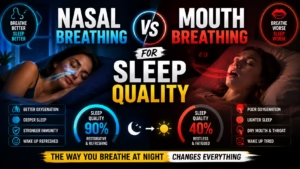
If you snore heavily, wake up with dry mouth, or feel wrecked despite “good sleep,” get evaluated for sleep disordered breathing.
12) My personal rules for not becoming a sleep data zombie
These are not universal rules. They’re sanity rules.
- I don’t look at sleep score until after I’ve had water and moved a little.
- I don’t “chase” a score. I chase behaviors.
- If I have two bad nights, I get serious about bedtime and caffeine. If I have one bad night, I shrug.
- I treat alcohol like a sleep tax. Sometimes I pay it. But I don’t pretend it’s free.
- My bedroom is for sleeping. Not for doom scrolling and work.
13) Wrap up: your 2026 blueprint in one page
Here’s your blueprint, condensed.
Build in this order
- Sensor: pick one you’ll actually use
- Environment: cool, dark, quiet, clean air
- Routine: consistent wake time, caffeine cutoff, sane evenings
- Interventions: one at a time, 7 to 14 day tests
- Feedback loop: daily glance, weekly review, no spiraling
The simplest “good enough” stack
- a reliable sleep tracker
- a cooler room
- blackout solution
- white noise
- consistent wake time
- caffeine earlier than you think
- weekly trend review
That gets you most of the benefits.
Everything else is optional.
And weirdly, once your sleep is stable, you stop wanting to optimize it all day. You just live. You train. You work. You feel normal.
Which is kind of the whole point.
FAQs (Frequently Asked Questions)
What is a biometric sleep stack and why is 2026 a game-changer for it?
A biometric sleep stack is a modular system designed to measure your sleep and recovery using reliable sensors, optimize your sleep environment, guide your habits, test interventions, and turn feedback into actionable decisions. In 2026, advances in hardware and algorithms allow you to mix and match wearables like Oura or Apple Watch with non-wearable sensors and smart devices, creating a personalized sleep system that fits your life rather than being locked into one ecosystem.
Which sleep metrics truly matter for improving my sleep quality?
Focusing on four core metrics can significantly impact your sleep: Total Sleep Time (actual time spent sleeping), Sleep Efficiency (percentage of time in bed spent asleep), Resting Heart Rate trend (long-term baseline changes indicating health), and Nighttime Heart Rate Variability trend (reflecting stress and recovery). Supporting metrics like Respiratory Rate, Wake After Sleep Onset, Skin Temperature Deviation, and Sleep Timing consistency also provide valuable insights without overwhelming you.
How does the 5-layer biometric sleep stack framework work?
The 5-layer framework includes: 1) Sensor – wearable or non-wearable devices measuring your sleep; 2) Environment – optimizing room temperature, light, noise, and air quality; 3) Routine – managing timing of food, caffeine, exercise, and screen use; 4) Interventions – testing supplements or tools like magnesium or CBT-I one at a time; 5) Feedback Loop – reviewing data thoughtfully to make informed adjustments without becoming overwhelmed by information.
Should I obsess over tracking detailed sleep stages like REM or deep sleep?
While tracking sleep stages such as REM or deep sleep can provide some information, they are often less actionable for beginners. Low REM or deep sleep usually signals broader issues like poor total sleep time, inconsistent schedules, stress, or environmental factors. It’s better to focus on overall sleep quality metrics and lifestyle habits that influence these stages indirectly rather than trying to target them directly.
What are common mistakes to avoid when building a biometric sleep setup?
Common pitfalls include tracking too many metrics leading to paralysis by analysis, buying every gadget without a plan, testing multiple interventions simultaneously making it hard to identify what works, neglecting the importance of environment and routine layers, and becoming a ‘sleep data zombie’ overwhelmed by numbers instead of focusing on meaningful changes. Sticking to the core framework helps avoid these issues.
How can I start building my own biometric sleep stack without feeling overwhelmed?
Begin with simple steps: choose one reliable sensor (wearable or non-wearable), optimize your bedroom environment for temperature and light, establish consistent routines around bedtime and caffeine intake, test one intervention at a time if desired (like magnesium), and set up a manageable feedback loop where you review key metrics weekly. Following a structured plan over about two weeks can help you build this system sustainably without losing your mind.