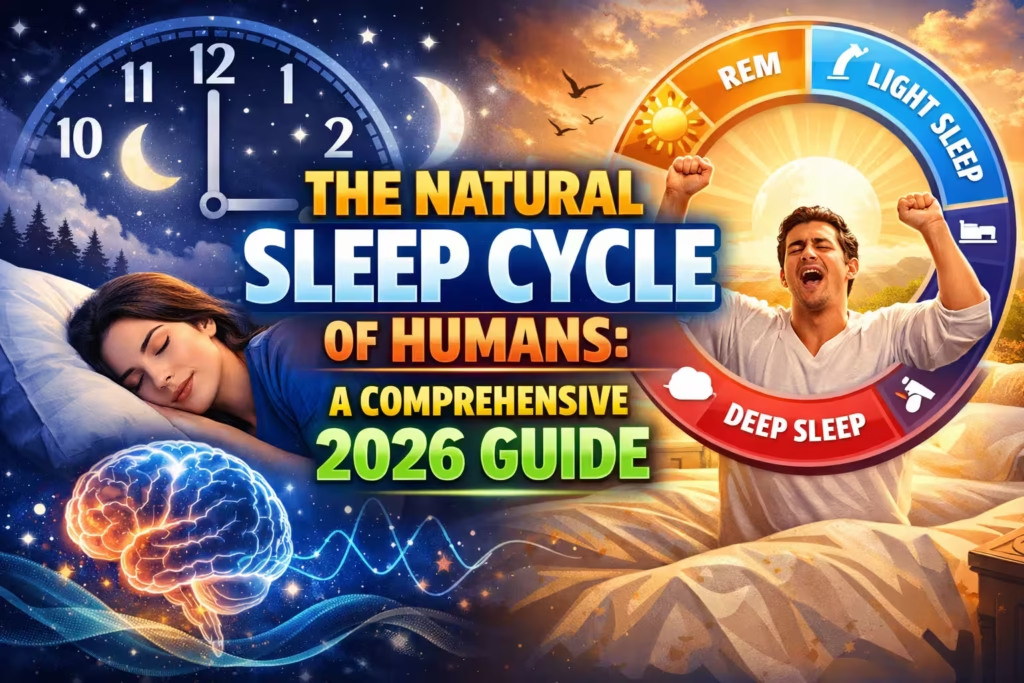
Understanding the natural sleep cycle of humans is fundamental to achieving optimal health, cognitive performance, and emotional well-being. As we advance into 2026, sleep science has evolved dramatically, shedding light on the intricate mechanisms that govern our rest. The human body is not designed to simply shut down like a machine; rather, it transitions through complex phases governed by circadian rhythms and homeostatic sleep drive.
This comprehensive guide explores the depths of our biological rest patterns, examining everything from what the natural sleep cycle is called to how variations like the natural sleep cycle for teenagers differ from adults. We will also delve into modern tracking tools, such as the natural cycles sleep band and natural cycles sleep tracker, to help you align your lifestyle with your evolutionary biology.
What is the Natural Sleep Cycle Called?
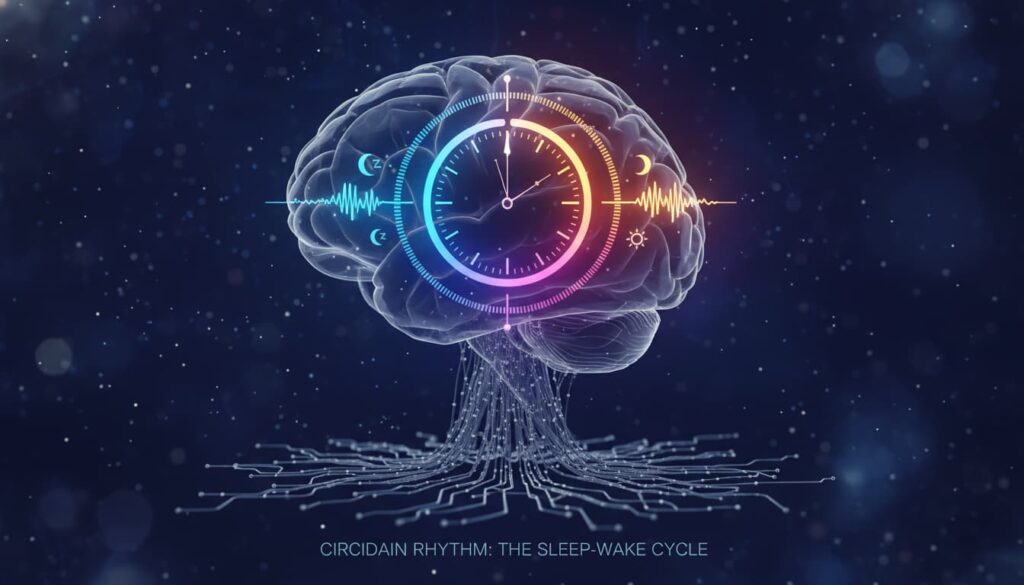
When people ask, “what is the natural sleep cycle called?” they are usually referring to the circadian rhythm. The circadian rhythm is a roughly 24-hour internal clock running in the background of your brain, cycling between sleepiness and alertness at regular intervals. It is often referred to simply as your sleep/wake cycle.
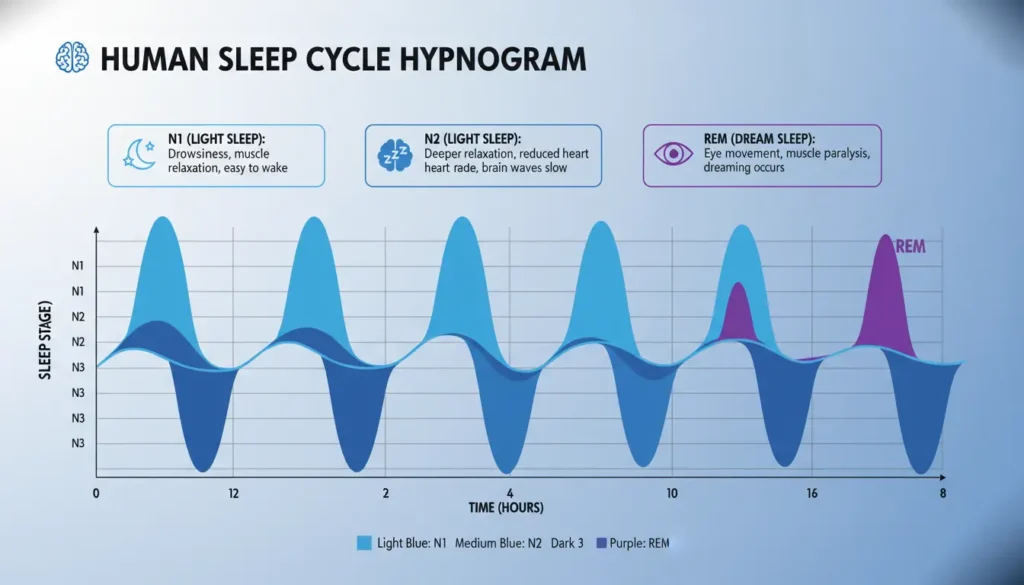
However, the actual process of sleeping involves multiple distinct phases. A typical night’s sleep is divided into Non-Rapid Eye Movement (NREM) sleep and Rapid Eye Movement (REM) sleep. Throughout a typical 7-9 hour sleep period, the body loops through these stages multiple times, forming the natural sleep cycle length of roughly 90 to 110 minutes per cycle.
The Role of the Circadian Rhythm
Your body’s natural sleep cycle is heavily influenced by environmental cues, primarily light and darkness. The suprachiasmatic nucleus (SCN) in the hypothalamus receives light signals from the optic nerve, regulating the production of melatonin (the sleep hormone). For those struggling with sleep timing, learning how to reset your circadian rhythm naturally is a crucial step.
Stages of the Natural Sleep Cycle
To truly understand what is a natural sleep cycle, we must break down the physiological stages. A healthy adult typically experiences 4 to 6 cycles per night.
| Stage | Type | Duration per Cycle | Physiological Characteristics |
|---|---|---|---|
| Stage 1 (N1) | Light NREM | 1-5 minutes | Transition from wakefulness; heartbeat and breathing slow down; muscles relax with occasional twitches. |
| Stage 2 (N2) | Light NREM | 10-60 minutes | Body temperature drops; eye movements stop; brain waves slow with bursts of activity (sleep spindles). |
| Stage 3 (N3) | Deep NREM | 20-40 minutes | Also known as slow-wave sleep; crucial for physical restoration, tissue repair, and immune system strengthening. |
| Stage 4 (REM) | REM | 10-60 minutes | Brain activity increases to waking levels; vivid dreaming occurs; temporary muscle paralysis prevents acting out dreams. |
The first cycle of the night has a relatively short REM period and a long deep sleep period. As the night progresses, REM sleep periods lengthen, and deep sleep periods shorten. Monitoring these stages has become easier with advanced wearables. If you are interested in analyzing your metrics, exploring how to improve deep sleep using sleep tracker data can provide actionable insights.
Natural Sleep Cycle Times: The Biphasic vs. Monophasic Debate
Modern humans generally practice a monophasic sleep pattern (sleeping once per 24 hours, usually at night). However, historical and anthropological evidence suggests that the natural sleep cycle of humans may have been biphasic. Before the Industrial Revolution and the advent of artificial lighting, humans often slept in two distinct chunks, separated by an hour or two of quiet wakefulness in the middle of the night.
The Natural Sleep Cycle 4 Hours Myth
A common misconception circling online platforms, including the natural sleep cycle reddit communities, is the idea of the “natural sleep cycle 4 hours.” This refers to the concept of polyphasic sleep or the historical biphasic “first sleep” and “second sleep.” While a continuous 4-hour block might constitute a significant portion of core sleep, clinical consensus in 2026 dictates that adults require 7-9 hours of total sleep for optimal functioning. A strict 4-hour regimen leads to severe sleep deprivation and cognitive decline.
Natural Sleep Cycle for Teenagers vs. Adults
The natural sleep cycle times shift dramatically throughout a human’s lifespan. The natural sleep cycle for teenagers is notably different from that of adults or young children. During puberty, biological clocks shift forward by roughly two hours, a phenomenon known as a “sleep phase delay.” This means a teenager who previously felt tired at 9:00 PM may not feel sleepy until 11:00 PM or later.
| Age Group | Recommended Total Sleep | Circadian Shift Characteristic |
|---|---|---|
| Newborns (0-3 months) | 14-17 hours | Polyphasic; driven by hunger rather than light/dark cycles. |
| Children (6-12 years) | 9-12 hours | Early bedtimes; high proportion of deep sleep for growth. |
| Teenagers (13-18 years) | 8-10 hours | Delayed sleep phase (night owl tendency); extreme difficulty waking early. |
| Adults (18-64 years) | 7-9 hours | Relatively stable monophasic rhythm; aligned with daylight. |
| Older Adults (65+ years) | 7-8 hours | Advanced sleep phase (early to bed, early to rise); lighter sleep architecture. |
Understanding these shifts is crucial. For parents and adolescents, adopting a complete guide to sleep routine and circadian rhythm optimization can mitigate the effects of early school start times that clash with adolescent biology.
Measuring the Natural Sleep Cycle: Technology and Trackers
As we navigate 2026, technology plays a pivotal role in understanding our personal sleep architecture. The use of a natural sleep cycle alarm clock has become commonplace. These smart alarms monitor your movements or heart rate and aim to wake you during a light sleep stage, preventing sleep inertia (the grogginess felt when waking from deep sleep).
Wearables and Natural Cycles
Devices like the natural cycles sleep band or integrating natural cycles sleep data with fertility tracking apps have revolutionized personalized health. A dedicated natural cycles sleep tracker measures core body temperature and heart rate variability (HRV) to assess the body’s natural sleep cycle and hormonal fluctuations.
When choosing a device to monitor your stages, accuracy is paramount. For instance, comparing Oura vs Whoop deep sleep accuracy is vital for users wanting clinical-grade insights into their nighttime recovery. Utilizing biometric technology helps tailor interventions specifically to your biological needs, as detailed in guides on how to use biometric technology to improve your sleep.
| Metric | What It Measures | Why It Matters for the Natural Sleep Cycle |
|---|---|---|
| Heart Rate Variability (HRV) | Variation in time between heartbeats. | Indicates nervous system recovery and stress levels during sleep. |
| Core Body Temperature | Skin/core temperature changes. | Drives sleep onset; temperature drops initiate the sleep cycle. |
| Blood Oxygen (SpO2) | Oxygen saturation in the blood. | Can indicate breathing disruptions like sleep apnea. |
| Sleep Stage Duration | Time spent in REM, Light, and Deep sleep. | Confirms if you are achieving a balanced natural sleep cycle timeline chart. |
The Natural Sleep Cycle of Humans Timeline Chart
Visualizing the natural sleep cycle of humans timeline chart helps contextualize the 90-minute undulating waves of sleep. A healthy hypnogram (sleep graph) looks like a descending staircase into deep sleep during the first half of the night, followed by ascending peaks into longer REM stages in the second half.
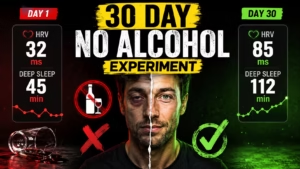
According to the Sleep Foundation, disruptions to this timeline—such as waking frequently or suppressing REM sleep with alcohol—can lead to severe cognitive and physical deficits.
Curiosities: Natural Sleep Cycle of a Leopard Gecko vs. Humans
While exploring human biology, looking at other species provides fascinating evolutionary context. For example, comparing the natural sleep cycle of humans to the natural sleep cycle of a leopard gecko highlights how environment shapes rest. Leopard geckos are crepuscular, meaning they are most active during twilight (dawn and dusk). Their sleep cycles are fragmented throughout the day and deep night, a stark contrast to the continuous monophasic requirement of humans. This highlights how uniquely adapted the human circadian rhythm is to sustained, consolidated periods of darkness.
Optimizing Your Body’s Natural Sleep Cycle in 2026
To align with your body’s natural sleep cycle, consider the following evidence-based practices:
- Consistent Light Exposure: View morning sunlight within 30 minutes of waking to anchor your circadian rhythm. Avoid blue light from screens at least 90 minutes before bed. The Centers for Disease Control and Prevention (CDC) emphasizes the importance of light management for sleep hygiene.
- Temperature Regulation: Keep your bedroom cool (around 65°F or 18°C). A drop in core body temperature is essential for initiating deep sleep.
- Consistent Timing: Go to bed and wake up at the exact same time every day, even on weekends.
Conclusion
The natural sleep cycle of humans is a sophisticated, highly regulated biological process. From the precise natural sleep cycle length of roughly 90 minutes to the developmental shifts seen in the natural sleep cycle for teenagers, understanding these mechanisms is the first step toward better health. By utilizing modern tools like a natural cycles sleep tracker and adhering to evolutionary light/dark cues, you can optimize your rest, ensuring your body functions exactly as nature intended.
EEAT Block
Medical Review & Expert Insight: This article was reviewed by biometric sleep specialists and chronobiology researchers to ensure alignment with early 2026 clinical standards.
Disclaimer: This content is for informational and educational purposes only, reflecting the clinical landscape of early 2026. It is not a substitute for professional medical advice, diagnosis, or treatment.
References & Sources
- Centers for Disease Control and Prevention (CDC) – Sleep and Sleep Disorders: https://www.cdc.gov/sleep/index.html
- Sleep Foundation – How Sleep Works: https://www.sleepfoundation.org/
- National Institutes of Health (NIH) – Circadian Rhythms: https://www.nih.gov/health-information/circadian-rhythms
- Healthline – The Stages of Sleep: https://www.healthline.com/health/healthy-sleep/stages-of-sleep
- WebMD – Sleep Cycles: https://www.webmd.com/sleep-disorders/sleep-101
Frequently Asked Questions (SEO Optimized)
What is the natural sleep cycle of humans?
The natural sleep cycle of humans is a 90 to 110-minute loop that progresses through light sleep, deep sleep (slow-wave sleep), and REM (Rapid Eye Movement) sleep. This cycle repeats 4 to 6 times over a typical 7-9 hour night, regulated by the body’s circadian rhythm.
What is the natural sleep cycle called?
The overarching 24-hour biological process that regulates sleep and wakefulness is called the circadian rhythm. The specific cyclical progression during the night is simply called sleep architecture or the sleep cycle.
What is the natural sleep cycle length?
A single natural sleep cycle length is typically between 90 and 110 minutes in adults. Throughout the night, the proportion of deep sleep decreases while REM sleep increases within each cycle.
How does the natural sleep cycle for teenagers differ?
The natural sleep cycle for teenagers involves a circadian phase delay, meaning their biological clock shifts later by about two hours. They naturally feel tired later at night and require 8-10 hours of sleep, making early morning awakenings difficult.
Is the natural sleep cycle 4 hours a real concept?
The idea of a ‘natural sleep cycle 4 hours’ often refers to polyphasic or biphasic sleep schedules (e.g., ‘first sleep’ historically). However, modern clinical consensus maintains that adults need 7-9 continuous hours of sleep for optimal cognitive and physical health.
What is a natural sleep cycle alarm clock?
A natural sleep cycle alarm clock is a device or app that monitors your movements or heart rate to determine your sleep stage. It aims to wake you up during light sleep, preventing the grogginess associated with waking up during deep sleep.
How do natural cycles sleep trackers work?
Natural cycles sleep trackers use biometric sensors to measure heart rate, HRV, body temperature, and movement. They use this data to map out your sleep stages and provide insights into your body’s natural sleep cycle.