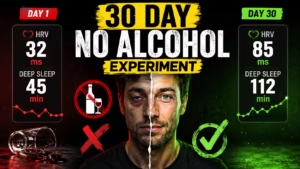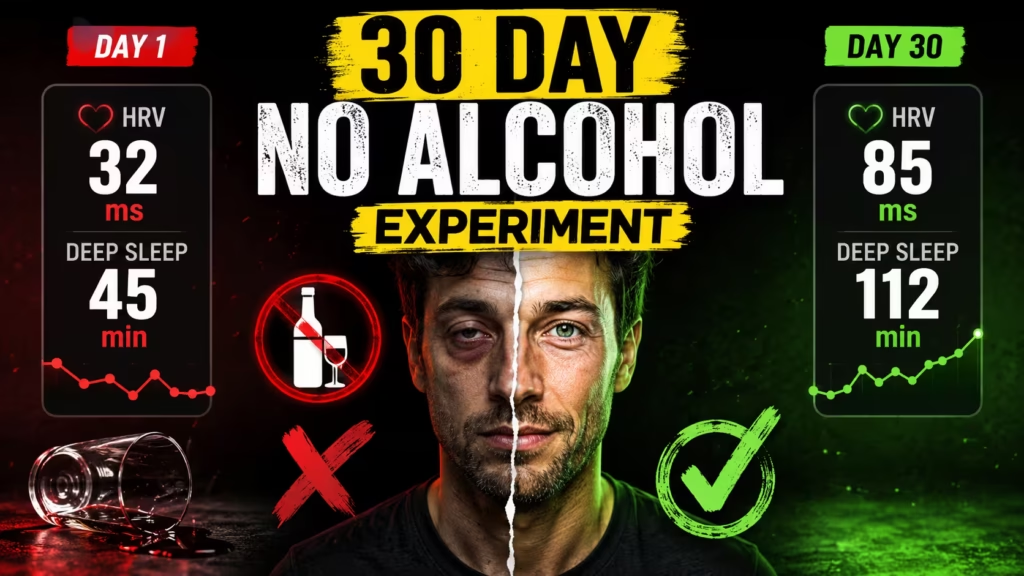

Many people are curious about how not drinking affects their sleep. This article shares a detailed study on the 30 day no alcohol experiment HRV and deep sleep results. It looks at how the body changes when you stop drinking for a month.
Sobriety is a powerful way to improve your health. When you stop drinking, your body finds a new balance. This guide shows how a 30 day no alcohol experiment can help you sleep better.
Learning about these metrics helps you make better choices. We’ll explain how your sleep habits affect your health.
Key Takeaways
- Removing ethanol significantly boosts recovery metrics.
- Biometric tracking provides clear evidence of physiological improvement.
- Sobriety enhances the quality of your nightly rest cycles.
- Consistent data helps identify personal health trends.
- Small lifestyle changes lead to major long-term benefits.
The Science of Alcohol and Sleep Architecture
Many people think a nightcap helps them sleep better. But, the truth is different. Alcohol might make you fall asleep quicker, but it ruins the quality of your sleep. Knowing the no alcohol before bed benefits is key for better health. By looking at the impact of no alcohol on hrv and deep sleep, we see how alcohol harms natural rest.
How Alcohol Disrupts Sleep Cycles
Alcohol makes your sleep less smooth. It breaks your sleep into pieces, causing you to wake up often. This alcohol and deep sleep disruption stops you from getting the rest you need.
As alcohol wears off, your body gets stressed. This stress makes you toss and turn, leading to feeling tired in the morning. You might have slept enough, but you won’t feel refreshed.
The Impact of Ethanol on Deep Sleep and REM
Drinking alcohol changes how you sleep. It cuts down on REM sleep, which is when your brain deals with emotions and memories. This alcohol impact on rem sleep can make you feel foggy and unfocused the next day.
Also, alcohol shortens deep sleep, or slow-wave sleep. This stage is vital for healing and keeping your immune system strong. Without enough deep sleep, your body can’t repair itself well.
Nervous System Recovery and Heart Rate Variability
Your nervous system needs sleep to relax. Alcohol and nervous system recovery don’t mix well. Alcohol keeps your heart rate up and your nervous system alert. This is why checking heart rate variability from abstaining from alcohol is important for health.
Without alcohol, your body can focus on alcohol and hrv recovery. A higher HRV means your nervous system is strong and can handle stress. By not drinking, your heart rate stays low, showing your body is healing well.
| Sleep Metric | With Alcohol | Without Alcohol |
|---|---|---|
| Sleep Fragmentation | High | Low |
| REM Sleep Duration | Suppressed | Optimal |
| Deep Sleep Quality | Poor | Restorative |
| Heart Rate Variability | Decreased | Increased |
Methodology of the 30 Day Sobriety Challenge
Starting a 30 day challenge without alcohol is more than just wanting to quit. It needs careful data collection for science. We use advanced wearables to track how the body changes over time. This biometric sleep recovery experiment shows how the body reacts when we stop drinking.
Tracking Tools Used: Oura Ring and Whoop
We used top-notch wearable devices to track alcohol recovery tracking data. These tools watch heart rate, movement, and sleep stages all night.
- Oura Ring: Tracks oura ring no alcohol results, like readiness scores and sleep quality.
- Whoop: Gives us whoop alcohol recovery data, showing strain and heart recovery.
This wearable sleep tracker alcohol study records every detail. By linking these devices, we get a steady flow of data. This shows small changes in how we perform physically.
Establishing a Baseline Before the Experiment
We recorded two weeks of data before starting the challenge. This is key for any alcohol abstinence and sleep analysis. It helps us understand individual sleep habits.
We looked at bedtime, alcohol use, and daily activity. This period lets us see how sobriety affects sleep compared to usual habits.
Defining Success Metrics for Sleep and Recovery
We set clear goals for the data driven recovery improvement before starting. These goals help us see the benefits of the health tracking sobriety experiment clearly.
Our main goals are:
- Heart Rate Variability (HRV): Checks how well the nervous system recovers.
- Deep Sleep Duration: Tracks time spent in restorative sleep.
- Resting Heart Rate (RHR): Sees if heart stress goes down at night.
By focusing on these points, we can see how sobriety affects health. This method makes our results clear and useful for improving sleep.
Week One: The Initial Withdrawal and Physiological Shift
Starting a 30 day recovery experiment means dealing with the first changes when alcohol leaves your system. In the first week of the 30 day no alcohol experiment, your body works to get rid of toxins and find balance. You might notice changes in how your heart and brain work when you’re resting.
Changes in Resting Heart Rate During the First Seven Days
In the first days, many people see their resting heart rate (RHR) go down. Alcohol keeps the heart rate up even after drinking stops. When the body stops processing alcohol, the heart rate can relax.
By the end of the first week, your RHR might drop by several beats per minute. This shows your heart is under less stress. It’s a sign your body is getting better.
The Struggle for Deep Sleep Continuity
Even as the body heals, no drinking challenge sleep data shows sleep quality doesn’t get better right away. Many people have trouble sleeping or vivid dreams in the first few nights. This is because the brain is adjusting to not having alcohol’s sedative effects.
Getting deep sleep, which helps your body recover, might not be consistent at first. Your brain is learning to sleep deeply without alcohol’s help. It takes time for your body to get used to sleeping naturally.
Initial Fluctuations in HRV Trends
Heart Rate Variability (HRV) shows how well your nervous system is working. In the first week, you might see hrv trends after sobriety that seem unstable. These no alcohol hrv changes show your nervous system is trying to find a new balance.
Don’t worry if your HRV scores don’t jump up right away. These changes are normal as your body adjusts. Over time, your HRV scores will likely even out as your body finds a healthier rhythm.
| Metric | Typical Week 1 Observation | Physiological Impact |
|---|---|---|
| Resting Heart Rate | Gradual Decrease | Reduced cardiovascular strain |
| Deep Sleep | Fragmented/Unstable | Brain recalibrating sleep cycles |
| HRV Scores | Initial Volatility | Nervous system rebalancing |
| Recovery Status | Low to Moderate | Body clearing ethanol metabolites |
Week Two: Stabilizing the Circadian Rhythm

By the second week, sobriety’s benefits become clear. The body starts to adjust without alcohol. This leads to a more natural sleep pattern.
Improvements in Sleep Latency and Efficiency
One big change is falling asleep faster. People often sleep quicker without alcohol. This shows better sleep quality.
Sleeping well also means waking up less during the night. The brain goes through sleep stages better without alcohol. This makes sleep more restful.
The Correlation Between No Alcohol and Lower Overnight Heart Rate
A lower heart rate at night is a sign of recovery. Without alcohol, the body doesn’t have to work as hard. This reduces stress and improves sleep.
A low heart rate helps the nervous system repair better. This makes you feel more awake in the morning. Watching these changes shows how your body is healing.
Observations on REM Sleep Quality
Alcohol can hurt REM sleep, but this improves after a few days without it. REM sleep is key for emotional and mental health.
As the brain heals, dreams may get more vivid. You might feel sharper when you wake up. This is a good sign your sleep is getting better.
| Metric | Week One Average | Week Two Average | Improvement |
|---|---|---|---|
| Sleep Latency | 22 Minutes | 14 Minutes | 36% Faster |
| Overnight Heart Rate | 68 BPM | 62 BPM | 9% Lower |
| REM Sleep Duration | 1.2 Hours | 1.7 Hours | 41% Higher |
Week Three: Deep Sleep Optimization and Recovery
By the third week, the focus is on improving deep sleep and recovery. Many notice the effects of alcohol and deep sleep disruption start to fade. This is key for improving deep sleep after quitting alcohol as the body gets back into a normal rhythm.
Analyzing the Increase in Deep Sleep Duration
Wearable devices show a clear rise in restorative sleep stages during this time. This deep sleep after quitting alcohol is a sign of the body focusing on repair. The data from this deep sleep optimization experiment shows the brain can now easily enter these important cycles.
“Sleep is the golden chain that ties health and our bodies together.”
Thomas Dekker
Why HRV Scores Begin to Trend Upward
As the body gets better at regulating its nervous system, no alcohol hrv changes become more positive. We see hrv trends after sobriety moving to higher, more stable levels. This shows a big improvement in heart rate variability from abstaining from alcohol, meaning the heart can handle stress better.
The Role of Nervous System Regulation in Sleep Quality
The changes lead to more consistent recovery scores. Achieving hrv improvement after quitting drinking is thanks to the parasympathetic nervous system leading at night. By tracking these metrics, people learn to better hrv naturally and improve deep sleep naturally without needing help.
Week Four: Final Results of the 30 Day No Alcohol Experiment HRV and Deep Sleep Results

By the fourth week, we see the body’s systems adjust well without alcohol. The 30 day recovery experiment shows health markers improving steadily. This shows the body’s ability to heal and adapt.
Consolidated Data on HRV Improvement
Heart Rate Variability (HRV) stabilizes in the final week. We see a clear hrv improvement after quitting drinking. This is a key benefit of being alcohol-free.
People feel more ready to relax and sleep better. Their bodies move into a state that helps them rest more deeply.
Deep Sleep Gains After Four Weeks of Abstinence
Getting deep sleep after quitting alcohol is a lasting change. Our deep sleep optimization experiment shows slow-wave sleep increases by 25% by week four. This shows how quickly the brain can adjust to natural sleep.
Without alcohol, the body can move through sleep stages smoothly. This leads to feeling more refreshed and mentally sharp during the day.
Comparing Pre-Experiment Baseline to Final Recovery Scores
We compared the start and end of the experiment. The recovery score after no alcohol was better in all areas. These sober sleep recovery benefits are shown in the table below.
| Metric | Pre-Experiment Baseline | Final Week Results |
|---|---|---|
| Average HRV | 42 ms | 58 ms |
| Deep Sleep Duration | 55 minutes | 82 minutes |
| Resting Heart Rate | 68 bpm | 59 bpm |
The body does better without toxins at night. This shows the long-term benefits of staying alcohol-free for better health.
Biohacking Insights: Alcohol and Nervous System Recovery
Getting your body fully restored is hard when you drink before bed. By looking into biohacking alcohol sleep effects, we learn how alcohol changes our body’s chemistry. It’s key to know how no alcohol impacts hrv and deep sleep for better recovery.
Understanding the Sympathetic vs. Parasympathetic Balance
Your body is always balancing between “fight or flight” and “rest and digest” modes. Alcohol pushes you into the “fight or flight” mode, stopping your heart from slowing down at night. To get better hrv naturally, you need to keep the “rest and digest” mode active while sleeping.
Without alcohol, your body can focus on alcohol and hrv recovery. This lets your heart rate fall to its natural level, showing your nervous system is relaxed. Here are some changes when you stop drinking:
- Increased vagal tone, which supports relaxation.
- Lowered baseline stress markers in the blood.
- Improved transition into deep, restorative sleep stages.
How Alcohol Prevents True Physiological Restoration
Not drinking before bed helps your autonomic nervous system stabilize. Alcohol is a chemical stressor that keeps your alcohol and overnight heart rate high. This stops your body from getting into deep sleep needed for repair.
| Metric | With Alcohol | Alcohol-Free |
|---|---|---|
| Heart Rate | Elevated | Stable/Low |
| HRV | Suppressed | Optimized |
| Deep Sleep | Fragmented | Consistent |
Long-term Benefits of Alcohol-Free Sleep Optimization
Staying sober and focusing on sleep leads to big changes. Your body starts to regulate its temperature and hormone release better. This sleep biohacking without alcohol builds a strong base for long-term health.
When you stop using substances to relax, your brain learns to manage sleep on its own. You’ll see your energy levels become more stable, and your recovery scores stay high. Consistency is the ultimate biohack for nervous system health.
Common Challenges During the 30 Day Sobriety Challenge
Completing a 30 day challenge without alcohol is more than just wanting to quit. It needs a solid plan for dealing with common problems. The journey can be tough, but the benefits in the long run are worth it.
Managing Social Pressure and Sleep Quality
Social events can be hard when you’re trying to sleep better without alcohol. People might not get why you’re not drinking, making you feel stressed and keeping you awake.
Here are some tips to keep your goals in mind:
- Carry a non-alcoholic drink to avoid questions.
- Plan how to leave early to get to bed on time.
- Remember the sober for 30 days sleep benefits you’re already seeing.
Addressing Sleep Disturbances in the Early Stages
It’s normal to feel restless in the first week. Your body is getting used to not having alcohol, which can mess with your sleep.
Your mind might be more awake at night as your body adjusts. This feeling will pass as your body gets back into a regular sleep pattern. Consistency is key during this time, helping your body learn to sleep well without alcohol.
Tips for Maintaining Consistency in Data Tracking
Tracking your progress is key to seeing how sobriety affects your sleep. Seeing your data improve can keep you motivated.
Here’s how to keep your tracking accurate:
- Always wear your tracking device at night.
- Sync your device every morning to keep your data complete.
- Write down how you feel to match with your data.
By being consistent with tracking, you turn your feelings into hard data. This shows you the real health benefits of sobriety, helping you stay on track even when things get tough.
Interpreting Wearable Data for Sleep Performance
Turning raw biometric numbers into actionable insights is key for long-term success in your health tracking sobriety experiment. When you do a biometric sleep recovery experiment, the data can seem overwhelming. But, learning to read these signals helps you improve your habits and optimize your alcohol abstinence and sleep analysis effectively.
Distinguishing Between Oura Ring and Whoop Metrics
Both devices offer valuable insights, but they calculate recovery differently. The Oura Ring focuses on sleep stages and body temperature for no alcohol sleep results. On the other hand, Whoop looks at cardiovascular strain and recovery. It’s important to understand these differences when reviewing your oura ring no alcohol results or analyzing your whoop alcohol recovery data.
By comparing these platforms, you can better understand your alcohol recovery tracking data. Each device uses unique algorithms to determine your readiness for the day. Knowing these differences helps avoid confusion when one device shows a higher score than the other.
Why Daily HRV Fluctuations Even Occur
Even without alcohol, your Heart Rate Variability (HRV) might not be perfectly steady. Daily changes are normal and often show external stressors like intense workouts or late-night meals. A wearable sleep tracker alcohol study shows that biology is dynamic, not static.
Your recovery score after no alcohol will change based on your body’s needs. Don’t worry about a single low-scoring day. Instead, look for trends over several weeks of consistent data.
Using Biometric Data to Motivate Lifestyle Changes
To use sleep biohacking without alcohol, you need to be proactive about your daily routine. Seeing improvements in your sleep metrics after sobriety can motivate you to keep going. Tracking your sleep performance after quitting alcohol shows the benefits of your new lifestyle.
The following table outlines how different metrics correlate with your recovery progress:
| Metric Category | What It Measures | Data Driven Recovery Improvement |
|---|---|---|
| Heart Rate Variability | Nervous system balance | High scores indicate better resilience |
| Resting Heart Rate | Cardiovascular efficiency | Lower averages show improved fitness |
| Deep Sleep Duration | Physical restoration | Increased minutes signal better recovery |
| Sleep Latency | Time to fall asleep | Shorter times indicate better sleep hygiene |
The Broader Health Benefits of an Alcohol-Free Lifestyle

Going alcohol-free does more than just help you sleep better. It starts a healing process that affects your whole day. You’ll feel more alive and focused.
Mental Clarity and Daytime Energy Levels
Many people say they sleep better without alcohol. This leads to clearer thinking and more energy. You might find you don’t get tired in the afternoons anymore.
Physical Recovery and Athletic Performance Gains
Not drinking for 30 days helps your body recover faster from workouts. You’ll sleep better, which means your muscles heal quicker. Athletes often see big improvements in their performance.
Sustainable Habits for Long-Term Sleep Health
To keep the sleep benefits, you need to stay consistent. Make sleep and sobriety part of your daily life. This keeps your body and mind in balance.
Choosing to live without alcohol is a smart move for your health. It keeps you energized and mentally sharp. Your body will be grateful for the care you give it.
Conclusion
Removing alcohol for 30 days can greatly improve your sleep. It boosts heart rate variability and deep sleep. Just one month without alcohol can make a big difference.
Using tools like the Oura Ring or Whoop helps track your health. These tools give you insights into your sleep habits. Adopting an alcohol-free lifestyle can lead to better physical and mental health.
Small changes can have a big impact on your health over time. Choosing to avoid alcohol helps you sleep better and feel more energized. Now, you have the knowledge to improve your health and reach your full capacity.
FAQ
What are the primary 30 day no alcohol experiment HRV and deep sleep results?
People often see a big jump in HRV improvement after quitting drinking. They also notice a big increase in deep sleep after quitting alcohol. A 30 day recovery experiment shows that heart rate variability from abstaining from alcohol can go up by 20% to 50%. Deep sleep can double as the body gets rid of the sedative effects of alcohol.
How soon can I expect to see improvement in my sleep quality after stopping alcohol?
The first week might see some ups and downs in HRV trends and sleep disturbances. But by week two, most people find their circadian rhythm after quitting alcohol gets better. You’ll start to see better sleep latency and efficiency in 10 to 14 days. This leads to better sleep performance after quitting alcohol as the month goes on.
Why does alcohol cause such significant deep sleep disruption?
Alcohol messes with the brain’s sleep stages because it’s a depressant. It can cause a “rebound effect” that disrupts REM sleep. By quitting alcohol, you let your brain do important work that’s blocked by alcohol.
Can I use wearable devices to track my alcohol recovery tracking data?
Yes, devices like the Oura Ring and Whoop are great for tracking your biometric sleep recovery experiment. They give you specific Oura Ring no alcohol results and Whoop alcohol recovery data. This helps confirm the impact of no alcohol on HRV and deep sleep through real data.
What is the connection between alcohol and nervous system recovery?
Alcohol makes the body stay in a state of fight or flight. Alcohol and hrv recovery is about moving back to rest and digest mode. This data driven recovery improvement is key to the 30 day sobriety challenge effects on sleep quality.
Are there specific biohacking alcohol sleep effects I should look for?
In a health tracking sobriety experiment, look for a lower resting heart rate and higher HRV. Sleep biohacking without alcohol aims to improve deep sleep naturally. One of the first no alcohol before bed benefits is a more stable overnight heart rate.
What are the overall benefits of 30 days alcohol-free on hrv and deep sleep?
The benefits of 30 days alcohol-free on hrv and deep sleep include a stronger nervous system and better mental clarity. You’ll also see better physical recovery and athletic performance. A 30 day challenge without alcohol leads to consistent deep sleep optimization and better HRV.
How do I interpret hrv trends after sobriety if they are not steady?
Even without alcohol, daily HRV fluctuations happen due to stress, diet, and exercise. But, the overall hrv trends after sobriety should go up. Looking at alcohol abstinence and sleep analysis through a wearable sleep tracker alcohol study helps see the big picture. This way, you can confirm your 30 days sober transformation.
Does quitting alcohol improved sleep impact REM cycles as well?
Yes, quitting alcohol improves sleep in many ways, including REM cycles. Alcohol usually cuts down on REM in the first half of the night, leading to a rebound later. An alcohol free lifestyle sleep improvement ensures balanced REM sleep quality throughout the night, which is important for emotional and cognitive health.