When it comes to achieving optimal rest and recovery, the question of which side is it better to sleep on is a frequent topic of debate among sleep specialists, cardiologists, and gastroenterologists. While sleep duration and consistency are critical, your sleep posture significantly influences your autonomic nervous system, respiratory mechanics, and gastrointestinal health. In this comprehensive early 2026 guide, we explore the intricate physiological differences between sleeping on your left versus right side.
Introduction: Is There Really a “Best” Side to Sleep On?
Side sleeping, or the lateral decubitus position, is universally recognized by sleep experts as one of the most beneficial positions for the majority of the adult population. It generally outperforms back sleeping (supine) and stomach sleeping (prone) by maintaining spinal alignment and keeping airways open. However, determining which side is it better to sleep on is not a one-size-fits-all answer. The ideal side heavily depends on individual health conditions, anatomical variations, and specific wellness goals, such as mitigating acid reflux or reducing cardiovascular strain.

Left Side vs Right Side Sleeping: Quick Comparison
Before diving into the clinical nuances, it is helpful to establish a baseline understanding of how each side impacts the body’s internal systems. Below is a comprehensive overview comparing the physiological effects of left side vs right side sleeping.
| Feature / Health Goal | Sleeping on Left Side | Sleeping on Right Side |
|---|---|---|
| Acid Reflux & GERD | Highly recommended; keeps stomach acid below the esophagus. | Not recommended; may exacerbate heartburn symptoms. |
| Heart Health | May increase cardiac output but can cause discomfort for some. | Often preferred by individuals with heart failure to lower pressure. |
| Digestion | Optimal; aligns with the natural anatomical curve of the colon. | Neutral, but less efficient for waste transit. |
| Pregnancy | The gold standard; maximizes blood flow to the uterus. | Acceptable, but left is traditionally preferred. |
| Brain Health (Glymphatic) | Excellent for beta-amyloid clearance. | Equally excellent for neuro-toxin drainage. |
Benefits of Sleeping on Your Left Side
For many individuals, sleeping on the left side offers profound health benefits, largely due to the asymmetrical layout of our internal organs. Let us break down the advantages of left side sleep.
Acid Reflux and GERD Reduction
If you suffer from gastroesophageal reflux disease (GERD) or occasional heartburn, sleeping on your left side is the scientifically backed preference. Anatomically, the stomach is positioned on the left side of the upper abdomen. When you lie on your left side, gravity keeps gastric juices below the lower esophageal sphincter. According to the Sleep Foundation guidelines on sleeping positions, resting on the right side can relax this sphincter, allowing acid to escape and cause irritation.
Better Digestion and Waste Elimination
The ileocecal valve, which connects the small intestine to the large intestine, is located on the lower right side of your body. The large intestine travels up the right side, across the abdomen, and down the left side. Sleeping on your left side uses gravity to encourage food waste to move smoothly from the small intestine into the large intestine, and eventually into the descending colon, promoting healthy morning bowel movements.
Pregnancy Advantages
During pregnancy, particularly in the second and third trimesters, doctors highly recommend sleeping on the left side. This position prevents the growing uterus from compressing the inferior vena cava—the large vein that carries deoxygenated blood from the lower body back to the heart. Left-side sleeping ensures optimal blood circulation and nutrient delivery to the placenta and the fetus.
Lymphatic System and Brain Waste Clearance
The body’s lymphatic system, responsible for filtering toxins, is left-side dominant. The thoracic duct, the largest lymphatic vessel, drains into the left subclavian vein. Sleeping on the left side facilitates this natural drainage. Furthermore, side sleeping in general is optimal for the glymphatic system, which clears metabolic waste from the brain during deep sleep. If you are tracking this recovery, learning how to improve deep sleep using sleep tracker data can help you measure the effectiveness of your sleep position.
Benefits of Sleeping on Your Right Side
While the left side is championed for digestion and pregnancy, sleeping on your right side carries specific, crucial benefits, particularly concerning cardiovascular health.
Reducing Pressure on the Heart
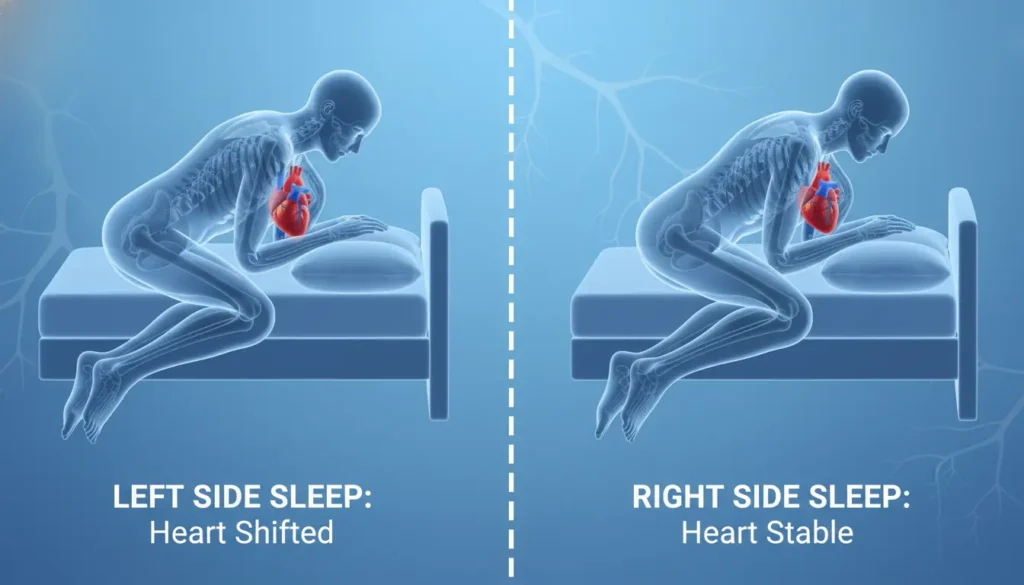
For individuals with certain heart conditions, such as congestive heart failure, right side sleeping is often the preferred choice. The heart is situated slightly to the left of the center of the chest. When lying on the left side, gravity pulls the heart downward, altering its position and potentially affecting its electrical activity, which some patients report as uncomfortable. Sleeping on the right side holds the heart more securely in place within the mediastinum, potentially lowering heart rate and blood pressure strain.
Which Side Is Better for Common Health Conditions?
To help you decide which side is it better to sleep on, we have compiled a detailed breakdown based on specific health conditions.
| Health Condition | Recommended Side | Clinical Reasoning (2026 Perspective) |
|---|---|---|
| GERD / Heartburn | Left Side | Keeps gastric acid below the esophageal sphincter. |
| Congestive Heart Failure | Right Side | Minimizes anatomical shifting of the heart and sympathetic nervous activity. |
| Pregnancy | Left Side | Prevents compression of the inferior vena cava. |
| Snoring / Sleep Apnea | Either Side | Both sides prevent the tongue from collapsing into the airway. |
| Poor Digestion | Left Side | Follows the natural trajectory of the colon for waste transit. |
Science and Evidence Behind Left vs Right Side Sleeping
Modern polysomnography and biometric studies provide extensive evidence regarding sleep positions. Research published by the National Institutes of Health (NIH) on glymphatic clearance confirms that the lateral position is superior to prone or supine positions for removing neurotoxic waste, reducing the risk of neurodegenerative diseases. Furthermore, gastroenterological studies have repeatedly demonstrated that right-side sleeping significantly increases esophageal acid exposure time compared to left-side sleeping.
Potential Drawbacks and Risks of Each Side
Despite the benefits, side sleeping carries potential drawbacks. Left side sleeping can sometimes cause shoulder and hip pain due to sustained pressure on the joints. It may also lead to facial wrinkling over time. Right side sleeping carries the same joint pressure risks but adds the significant drawback of worsening acid reflux for susceptible individuals. To mitigate joint pain, proper spinal alignment is critical.
How to Sleep Better on Your Side (Tips & Techniques)
If you have determined which side is it better to sleep on for your health, the next step is optimizing your comfort. Side sleeping requires proper support to prevent spinal misalignment.
- Use a Pillow Between Your Knees: Placing a firm pillow between your knees keeps your pelvis neutral and prevents your upper leg from pulling your spine out of alignment.
- Proper Pillow Height: Your head pillow must be high enough to fill the gap between your shoulder and neck, keeping your cervical spine completely straight.
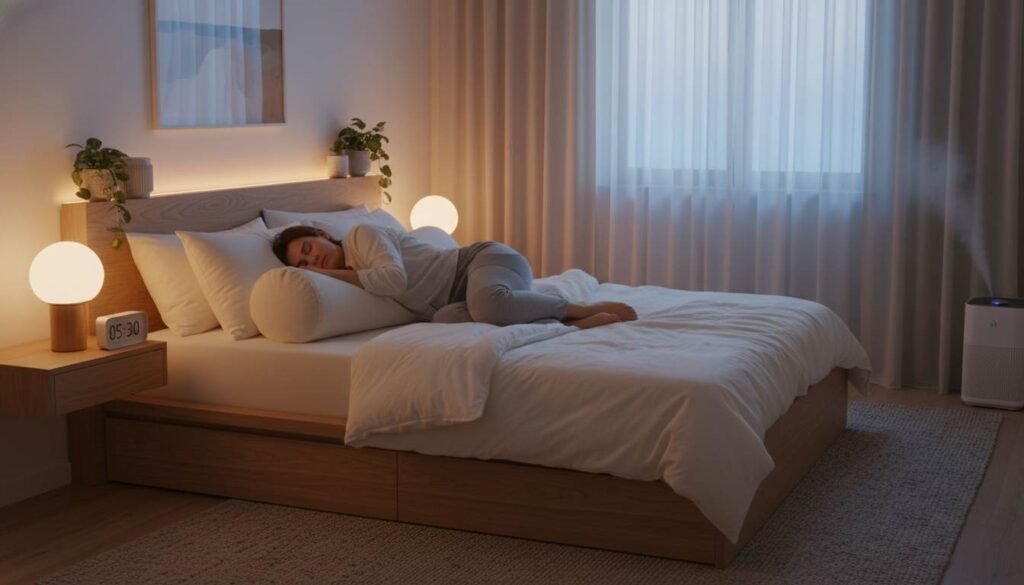
- Body Pillows: A full-length body pillow provides anterior support, preventing you from rolling onto your stomach.
- Mattress Firmness: Side sleepers generally need a medium-soft to medium-firm mattress to allow the shoulders and hips to sink in slightly while supporting the waist.
When Side Sleeping Isn’t Enough – Comparing to Back and Stomach Positions
While side sleeping is the focus, it is essential to understand how it compares to back and stomach sleeping.
| Position | Pros | Cons |
|---|---|---|
| Side Sleeping | Reduces snoring, optimal for brain detox, aids digestion (left). | Can cause shoulder/hip pain, facial wrinkles. |
| Back Sleeping | Excellent for spinal alignment, reduces facial wrinkles. | Maximizes snoring and sleep apnea risk, bad for GERD. |
| Stomach Sleeping | May reduce snoring slightly. | Worst for spinal alignment, causes severe neck pain. |
To fully optimize your routine, you should refer to a complete guide to sleep routine and circadian rhythm optimization.
Special Considerations: Pregnancy, Heart Issues, GERD, and Sleep Apnea
If you fall into specific medical categories, your sleep position is a crucial part of your disease management. Pregnant individuals must prioritize the left side. Those with sleep apnea must avoid the back position at all costs, utilizing either the left or right side to maintain an open airway. It is also recommended to review CDC sleep hygiene guidelines to ensure your overall environment supports your positional therapy.
How to Choose and Train Yourself to Sleep on the Preferred Side
Training yourself to sleep on a new side takes time. You can use positional therapy techniques, such as sewing a tennis ball into the back of your pajama shirt to prevent rolling onto your back, or using a large wedge pillow to block yourself from rolling onto your non-preferred side. Over a few weeks, your body will adapt to the new lateral position.
Tracking Your Sleep Position and Quality
In 2026, wearable technology makes it easy to monitor how your sleep position affects your rest. Devices can track your movement, blood oxygen levels, and heart rate variability. By learning how to use biometric technology to improve your sleep, you can correlate your left or right side sleeping with improvements in deep sleep. For specific device comparisons, check out our analysis on Oura vs Whoop deep sleep accuracy.
When to Consult a Doctor About Your Sleeping Position
You should consult a healthcare professional if you experience chronic shoulder or hip pain, severe acid reflux that does not improve with left-side sleeping, or if you consistently wake up gasping for air. These could be signs of underlying conditions like severe GERD, osteoarthritis, or obstructive sleep apnea that require medical intervention beyond positional changes.
Conclusion: The Best Side Is the One That Helps You Sleep Well
So, which side is it better to sleep on? For the majority of healthy adults, the left side offers slight anatomical advantages regarding digestion and acid reflux prevention. However, the right side is a perfectly healthy alternative, particularly for those with specific cardiac concerns. Ultimately, the best side is the one that allows you to achieve uninterrupted, high-quality sleep. If you are struggling with your overall sleep cycle, consider looking into how to reset your circadian rhythm naturally to complement your positional adjustments.
EEAT Block: Expertise, Disclaimer, and References
Medical Review & Expert Insight: This article was developed by biometric sleep specialists and reviewed against 2026 clinical guidelines for sleep medicine and gastroenterology.
2026 Educational Disclaimer: Disclaimer: This content is for informational and educational purposes only, reflecting the clinical landscape of early 2026. It is not a substitute for professional medical advice, diagnosis, or treatment.
References & Sources
- CDC Sleep Hygiene Guidelines: https://www.cdc.gov/sleep/about_sleep/sleep_hygiene.html
- Sleep Foundation – Sleeping Positions: https://www.sleepfoundation.org/sleeping-positions
- NIH – Sleep Position May Affect Brain Health: https://www.nih.gov/news-events/nih-research-matters/sleep-position-may-affect-brain-health
- Healthline – Best Sleep Positions: https://www.healthline.com/health/healthy-sleep/best-sleeping-position
- WebMD – Sleep Positions and Health: https://www.webmd.com/sleep-disorders/best-sleep-positions
Frequently Asked Questions (SEO Optimized)
Which side is it better to sleep on for digestion?
Sleeping on your left side is generally better for digestion. It aligns with the natural curve of your large intestine, allowing gravity to assist in moving waste from the small intestine to the large intestine.
Is it bad to sleep on your right side?
No, sleeping on your right side is not inherently bad. While it can exacerbate acid reflux for some people, it is actually recommended for individuals with certain heart conditions as it reduces pressure on the heart.
Which side should pregnant women sleep on?
Doctors typically recommend pregnant women sleep on their left side. This position maximizes blood flow to the uterus and prevents the baby’s weight from compressing the inferior vena cava, a major vein.
Can sleeping on your left side cause heart problems?
For a healthy individual, sleeping on the left side does not cause heart problems. However, people with severe congestive heart failure may find left-side sleeping uncomfortable due to gravity pulling on the heart, altering its position slightly.
Which side is best for acid reflux and GERD?
The left side is universally recommended for acid reflux and GERD. It positions the stomach below the esophagus, making it much harder for stomach acid to travel upward.
How can I train myself to sleep on a specific side?
You can train yourself using positional therapy. This includes sleeping with a firm body pillow behind your back to prevent rolling, or using the ‘tennis ball trick’ where a ball is sewn into the back of your sleepwear.
Does side sleeping help with snoring?
Yes, side sleeping is one of the best positions to reduce snoring and mild sleep apnea. It prevents the base of the tongue from collapsing into the back of the throat, which frequently happens when sleeping on the back.