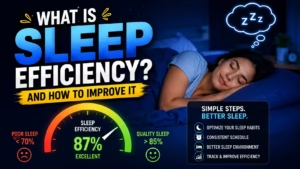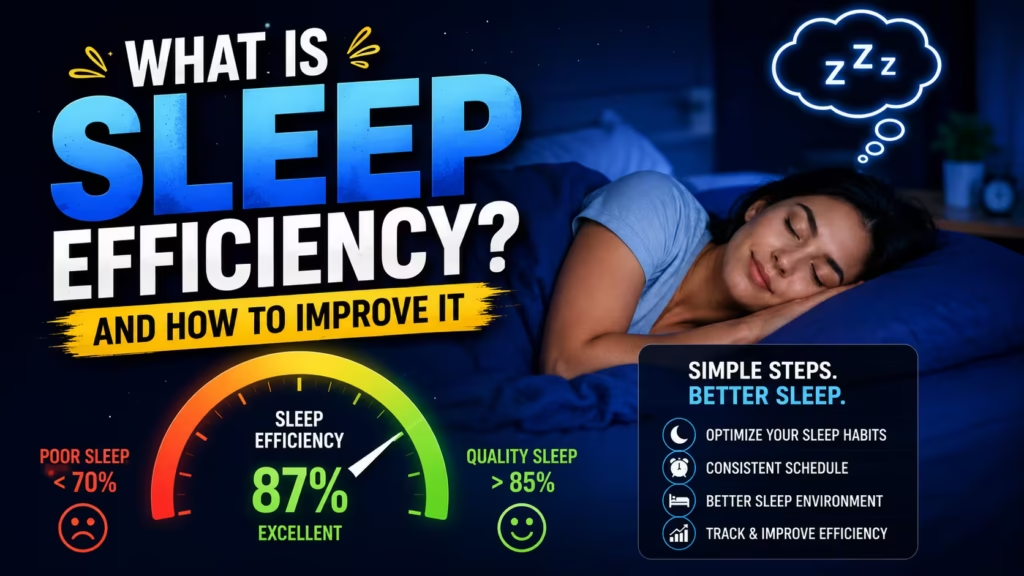

What Is Sleep Efficiency and How to Improve It? Sleep efficiency is one of the most important sleep quality metrics for recovery, energy, and overall health. It measures the percentage of time you actually spend asleep compared to the total time you spend in bed.
Many people track their nightly rest, but few truly understand how sleep efficiency affects deep sleep, recovery, focus, and daytime performance. A low sleep efficiency score often means frequent wake-ups, difficulty falling asleep, or poor sleep quality even after spending many hours in bed.
Improving sleep efficiency can help you wake up feeling more refreshed, mentally sharper, and physically recovered. Small lifestyle adjustments, better sleep habits, and modern sleep tracking tools can dramatically improve your nightly recovery over time.
In this guide, you’ll learn what sleep efficiency means, why it matters for health and performance, and the best science-backed ways to improve sleep efficiency naturally.
Key Takeaways
- Sleep efficiency measures the percentage of time spent asleep while in bed.
- High efficiency scores correlate with better physical and mental recovery.
- Tracking tools provide data-driven insights into your nightly habits.
- Lifestyle adjustments significantly impact your ability to fall and stay asleep.
- Consistent routines help stabilize your internal biological clock.
Defining Sleep Efficiency and Its Importance
Ever felt tired after eight hours of sleep? It’s time to learn about what is sleep efficiency. Simply put, it’s a math problem. It shows how much time you actually sleep compared to how long you’re in bed.
Understanding sleep efficiency explained shows that time awake in bed lowers your score. For example, if you’re in bed for eight hours but sleep for six, your efficiency is 75%. This means your body is mostly in a restful state, not awake.
Sleep Efficiency vs. Sleep Quality: What is the Difference?
Many confuse sleep efficiency vs sleep quality. But they measure different things. Sleep quality is how refreshed you feel in the morning. Sleep efficiency is about how much time you actually sleep compared to being awake.
“True rest is not just about the duration of time spent in bed, but the density of the sleep achieved during those hours.”
Feeling refreshed after a long sleep doesn’t always mean high efficiency. If you wake up a lot, your efficiency might be low. Here’s what sets them apart:
- Sleep Quality: How refreshed and alert you feel.
- Sleep Efficiency: A math ratio of sleep time to bed time.
- Measurement: Quality is personal, efficiency is tracked by devices.
Why Sleep Efficiency Matters for Long-Term Health
Keeping a high efficiency score is key for your health and daily life. Poor sleep quality can lead to chronic fatigue and harm your metabolism over time.
Good sleep helps control hunger and stress hormones. By watching your efficiency, you can spot issues. Prioritizing this metric helps you make better lifestyle choices. This ensures your sleep time is truly beneficial for your body and mind.
How Sleep Efficiency is Measured and Calculated
Learning how sleep efficiency is measured helps you understand your sleep better. It’s a simple math: your sleep time divided by bed time. A sleep efficiency calculator explained through modern tech helps track your sleep over time.
The Science Behind Sleep Efficiency Metrics
Clinical sleep studies use special tools to track brain waves and muscle activity. These sleep tracking efficiency metrics are very accurate in labs. But, devices like smartwatches and rings use actigraphy to estimate these patterns by monitoring movement and heart rate.
Even though home devices aren’t as precise, they give good data for long-term trends. Watching these metrics every night helps spot patterns. Consistency in wearing your device is important for reliable data.
Understanding Sleep Latency and Its Impact on Efficiency
Sleep latency and efficiency are closely linked. Sleep latency is how long it takes to fall asleep. If it’s too long, it means your body is having trouble sleeping, lowering your score.
A good sleeper falls asleep in 10 to 20 minutes. Taking more than 30 minutes might mean stress or poor sleep habits. Shortening this time can greatly improve your efficiency score.
The Role of Overnight Wakeups in Your Score
Frequent overnight wakeups and sleep efficiency are not good together. Waking up often means less total sleep time. These breaks stop you from getting into deep, restorative sleep.
The table below shows how different efficiency scores are categorized for adults:
| Efficiency Score | Category | Sleep Quality Insight |
|---|---|---|
| Above 85% | Excellent | Highly restorative sleep |
| 75% – 84% | Good | Minor room for improvement |
| 65% – 74% | Fair | Frequent interruptions likely |
| Below 65% | Poor | Consult a sleep specialist |
By watching these wakeups, you can find out if it’s your environment or habits causing trouble. Small adjustments to your bedroom or evening routine can make a big difference in your sleep score.
Understanding the Ideal Sleep Efficiency Percentage
Knowing the ideal sleep efficiency percentage is key to better sleep. Experts say a healthy adult should aim for a score above 85%. This means you spend most of your time in bed sleeping, not awake.
What Does Your Sleep Efficiency Score Mean?
The sleep efficiency score meaning is about how much you sleep compared to how long you’re in bed. If you’re in bed for eight hours but only sleep for six, your score is lower. Consistency is key when looking at these numbers over time.
A high score means your body easily falls into deep sleep. A low score might mean you have trouble sleeping or wake up a lot. Knowing this helps you see if your routine meets your body’s needs.
Interpreting Data from Smart Sleep Tracking Devices
Modern smart sleep tracking devices make it easy to track your sleep at home. They use sensors to monitor movement and heart rate, giving you a detailed look at your sleep. By looking at this data, you can find patterns you might not notice.
For example, you might see your score drop when you have caffeine late at night. Using this info, you can make changes to your evening routine. Small changes can make a big difference in your sleep.
When to Be Concerned About Low Efficiency Scores
While it’s normal to have some ups and downs, low scores for a long time are a red flag. If your score stays below 80% for weeks, it’s time to look into sleep score improvement strategies or see a doctor. Poor sleep can hurt your brain and health over time.
If you’re always tired, snore loudly, or feel sleepy during the day, even when you’re in bed enough, get medical help. These signs, along with low scores, could mean serious issues like sleep apnea or insomnia. Prioritizing your health means knowing when to ask for help from experts.
What is Sleep Efficiency and How to Improve It: Core Strategies

Learning about sleep efficiency starts with your bedtime routine. Focus on good habits to make your sleep better. These tips help you sleep deeper and longer.
Establishing Consistent Sleep Hygiene for Better Efficiency
Being consistent is key to better sleep. Going to bed and waking up at the same time every day helps your body get into a rhythm. This makes it easier to fall asleep and stay asleep.
To improve sleep efficiency, start winding down before bed. Avoid intense activities or work an hour before bedtime. Instead, do something calming like reading or meditation to signal it’s time to sleep.
Optimizing Your Circadian Rhythm for Restorative Sleep
Your body has an internal clock that controls when you’re awake and asleep. Circadian rhythm sleep optimization means doing things that match the natural light cycle. Being in sunlight in the morning helps you stay alert during the day and sleepy at night.
Limit blue light from screens at night to improve sleep. Blue light can make it harder to fall asleep. Dimming lights in the evening helps your body get ready for sleep.
Creating an Environment Conducive to Uninterrupted Rest
Your bedroom should be a sleep sanctuary. To get good sleep, control what your room senses. A cool, dark, and quiet room helps you sleep without waking up.
Here are tips for a better sleep space:
- Temperature: Keep your room between 60 and 67 degrees Fahrenheit for optimal comfort.
- Light: Use blackout curtains or an eye mask to eliminate intrusive light sources.
- Noise: Utilize white noise machines or earplugs to mask disruptive sounds from outside.
| Habit Category | High Efficiency Practice | Low Efficiency Practice |
|---|---|---|
| Schedule | Consistent wake/sleep times | Irregular weekend shifts |
| Environment | Cool, dark, and quiet | Warm, bright, and noisy |
| Pre-Sleep | Calming reading/meditation | Scrolling social media |
| Light Exposure | Morning sunlight | Late-night screen use |
Identifying Causes of Poor Sleep Efficiency
Understanding healthy sleep patterns explained through science is key. Poor sleep efficiency often comes from many factors. These can be physical, mental, or environmental, making it hard to stay asleep.
Knowing the main causes of poor sleep efficiency is the first step to better sleep. By tackling these issues, you can achieve more consistent and restful sleep.
Sleep Maintenance Insomnia Explained
Many people face sleep maintenance insomnia. This makes it hard to stay asleep all night. It’s different from sleep-onset insomnia, which is about falling asleep.
“Sleep maintenance insomnia is a common clinical complaint that significantly degrades the quality of life and long-term health outcomes for millions of adults.”
Waking up often disrupts your sleep cycles. This makes you feel tired the next day. Knowing about this condition helps improve your sleep quality.
How Stress and Anxiety Disrupt Sleep Continuity
Stress and anxiety can break up your sleep. They keep your mind active, making it hard to relax.
This can cause:
- Racing thoughts that prevent deep sleep.
- Increased heart rate during the night.
- Frequent awakenings triggered by subconscious worry.
Managing stress and anxiety is key to continuous sleep. Without it, your sleep won’t improve, no matter your environment.
The Impact of Lifestyle Factors on Sleep Architecture
Your daily choices greatly affect your sleep. Small habits can harm your sleep without you noticing.
Here are some common lifestyle disruptors:
- Caffeine intake: Drinking caffeine late can make it hard to sleep.
- Evening screen time: Blue light from screens can stop melatonin production, needed for deep sleep.
- Irregular meal times: Eating big meals before bed can cause discomfort and wake you up.
Changing these habits can greatly improve your sleep. Small, consistent changes can lead to big improvements in sleep efficiency.
Advanced Sleep Optimization Techniques and Biohacking

To reach your best physical and mental state, you need more than just basic sleep habits. Advanced sleep optimization techniques and sleep biohacking techniques can turn your sleep into a tool for recovery. This advanced sleep optimization guide uses data to help your body reach its full capacity.
Using HRV and Biometric Data to Fine-Tune Recovery
Heart Rate Variability (HRV) shows how well your autonomic nervous system is working. By tracking hrv and sleep efficiency, you can see if you’re ready for the day. Biometric sleep efficiency data helps find out what’s stopping your body from fully repairing itself.
“The data provided by modern wearables acts as a mirror, reflecting the internal state of your nervous system and guiding your recovery choices.”
— Sleep Science Institute
Deep Sleep Optimization Methods for Better Restoration
To naturally increase deep sleep, focus on keeping your body cool and avoiding light. Using a cooling mattress pad or blackout curtains can greatly improve your recovery. These steps help keep your body temperature stable, which is key for deep sleep.
| Metric | Goal | Impact |
|---|---|---|
| HRV | Increase | Better Stress Resilience |
| Deep Sleep | 20-25% | Physical Repair |
| REM Sleep | 20-25% | Cognitive Clarity |
Managing REM Sleep Cycles for Cognitive Performance
REM sleep is key for memory and emotional health. By focusing on rem sleep and sleep efficiency, you can improve your mental sharpness. Keeping a regular sleep schedule and avoiding alcohol before bed helps your brain complete these cycles.
By prioritizing these cycles, you wake up feeling sharp and ready for challenges. Consistency is the most powerful tool for long-term mental health. Refining your approach to these stages gives you a big advantage in your daily life.
The Role of Wearable Technology in Tracking Efficiency
Wearable technology has changed how we track our sleep. These devices use advanced sensors to monitor movement and heart rate. They give us clear views of our sleep patterns.
Leveraging Wearable Sleep Tracker Efficiency Scores
A wearable sleep tracker efficiency score shows how well you sleep. It’s the percentage of time you actually sleep compared to time in bed. By checking this score every day, you can see how your daytime habits affect your sleep.
To get the most from your wearable data insights, follow these steps:
- Sync your device regularly for accurate data.
- Notice how late-night meals affect your score.
- Change your bedtime routine based on weekly trends.
Interpreting AI Sleep Optimization Tips from Modern Devices
Today’s devices offer ai sleep optimization tips to enhance recovery. These tips might suggest adjusting your sleep schedule or evening environment. Remember, these are general tips, not medical advice.
| Feature | Benefit | Action |
|---|---|---|
| Sleep Latency Tracking | Reduces time to fall asleep | Adjust wind-down routine |
| Wake-up Alerts | Improves sleep continuity | Optimize bedroom temperature |
| Recovery Scores | Balances activity levels | Plan rest days |
Limitations of Consumer-Grade Sleep Tracking Data
It’s key to know the limitations of consumer-grade sleep tracking data. These devices are for wellness, not medical diagnosis. They might mistake quiet wakefulness for light sleep, affecting your scores.
Remember, wearable data insights are for lifestyle guidance. If you have ongoing sleep issues, see a doctor. Knowing the limitations of consumer-grade sleep tracking data helps you use these tools wisely, without worry over small score changes.
Sleep Efficiency for Athletes and High Performers
For elite athletes, sleep is not just downtime but a critical component of physical performance. High achievers often view rest as a competitive advantage that directly dictates their daily output and cognitive clarity. By prioritizing sleep efficiency for athletes, individuals can ensure their bodies and minds are fully prepared for the intense demands of their training schedules.
Sleep Consistency and Recovery for Peak Performance
Maintaining a rigid schedule is one of the best sleep habits for recovery. When you align your sleep-wake cycle with your internal clock, you stabilize your circadian rhythm, which is vital for deep, restorative sleep. Consistent timing allows the body to predict rest periods, leading to faster sleep onset and fewer overnight disturbances.
Sleep consistency and recovery are the pillars of a high-performance lifestyle. Athletes who track their metrics often find that even minor deviations in their bedtime can lead to a measurable drop in their efficiency scores. By keeping a steady routine, you allow your nervous system to downregulate effectively, which is essential for muscle repair and mental focus.
Nighttime Recovery Optimization Strategies
To improve sleep recovery naturally, high performers must curate an environment that minimizes external disruptions. Temperature control, light management, and noise reduction are fundamental to nighttime recovery optimization. Many professionals utilize cooling mattress pads or blackout curtains to create a sanctuary that promotes uninterrupted rest.
Beyond the physical environment, your pre-sleep routine plays a massive role in how quickly you enter deep sleep stages. Engaging in calming activities like light stretching or meditation helps lower cortisol levels before bed. These better sleep performance habits ensure that your limited rest time is utilized for maximum physiological restoration.
Science-Backed Tips for Improving Sleep Efficiency Fast
If you need to improve sleep efficiency fast, focus on these evidence-based adjustments to your daily routine. Implementing these science backed sleep improvement tips can help you maximize your recovery even during high-stress periods:
- Limit blue light exposure: Avoid screens at least 60 minutes before bed to support natural melatonin production.
- Optimize caffeine intake: Cut off caffeine consumption at least eight hours before your planned bedtime.
- Regulate room temperature: Keep your bedroom between 65 and 68 degrees Fahrenheit for optimal thermal comfort.
- Use a wind-down ritual: Dedicate time to reading or journaling to signal to your brain that the day is over.
By adopting these best ways to improve sleep efficiency, you can transform your nightly rest into a powerful tool for success. Consistent application of these strategies will lead to better recovery, sharper focus, and improved physical performance over time.
Conclusion
Getting good rest is about mixing new data with old habits. Tools like Oura Ring or Apple Watch give you insights into your sleep. But, your daily habits are what really matter.
Being consistent is key to feeling good for a long time. Making small changes to your evening can make a big difference. Try to keep your environment stable and your schedule regular.
Start improving your sleep by making one or two changes this week. See how these changes affect your energy and focus. Taking small steps is the first step to better sleep.
Share your sleep tips with others. Tracking your progress helps you improve and reach your goals. Make tonight count for a better tomorrow.
FAQ
What is sleep efficiency and how to improve it for better health?
Sleep efficiency is how much time you spend asleep compared to time in bed. To boost it, keep a regular sleep schedule. Also, make your bedroom comfortable and align your sleep with daylight.
What is the difference between sleep efficiency vs sleep quality?
Sleep efficiency is a number based on how much time you sleep. Sleep quality is how you feel after waking up. Devices like the Oura Ring help track your sleep to improve recovery.
How is a sleep efficiency score meaning interpreted by experts?
Experts say a good sleep score is 85% or more. Lower scores mean trouble falling asleep or waking up often.
What are the primary causes of poor sleep efficiency?
Poor sleep can come from stress, caffeine, and trouble staying asleep. Light and room temperature also affect your sleep.
Can you explain sleep latency and efficiency in relation to my sleep score?
Sleep latency is how long it takes to fall asleep. High latency lowers your score. Good sleep habits help you sleep better.
What are the best ways to improve sleep efficiency fast?
To sleep better, avoid screens before bed and keep your room cool. Weighted blankets can also help you sleep deeper.
How do HRV and sleep efficiency correlate in recovery?
HRV and sleep efficiency are connected. High HRV means better sleep. Devices like WHOOP 4.0 use these to guide your recovery.
What is the role of REM sleep and sleep efficiency in cognitive function?
REM sleep and efficiency are key for memory and mental sharpness. Good sleep architecture is essential for peak performance.
Why is sleep efficiency for athletes considered a pillar of performance?
Athletes need consistent sleep for recovery. High efficiency ensures they repair muscles and hormones. Good sleep habits give them an edge.
How do I use a sleep efficiency calculator to track progress?
A sleep calculator shows how much you sleep compared to bed time. Use it to see how changes in your life affect your sleep.